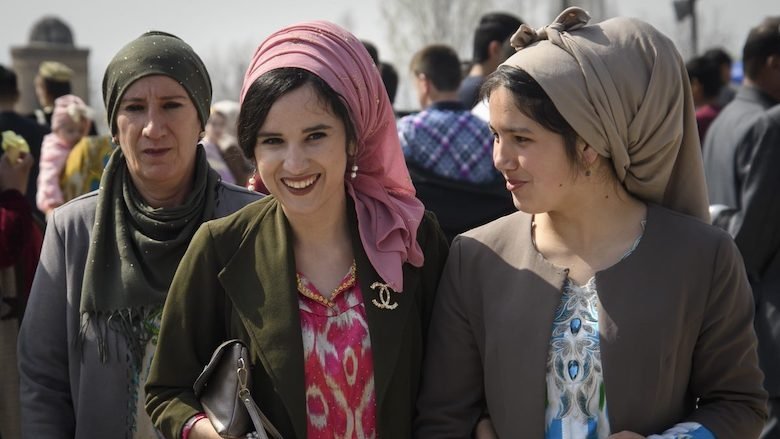
World Bank’s research entitled “Gender Dimensions of Cross-Border Trade” has shown that the expansion of international trade is essential for poverty reduction, and it provides better job opportunities and increased returns particularly for women. Oftentimes, women face more or different challenges than men that prevent them from fully participating in trade.
This survey aims to quantify the exact nature of challenges women cross-border traders face at the firm-level in Tajikistan. The World Bank undertook a survey of 401 cross-border trade firms and 31 customs brokers between March and November 2022.
The research largely focused on areas related to the World Trade Organization Trade Facilitation Agreement (WTO TFA), including experiences with public consultations and enquiry points, clearance and release of goods, formalities connected with import and export and transit procedures, detentions of goods, appeal or review procedures, and publication and availability of information. Areas beyond the WTO TFA, such as the impact of the COVID-19 pandemic, Russia’s invasion of Ukraine, transport, and safety and security issues at the borders, were also researched.
Importantly, the report helps fill a significant knowledge gap in Tajikistan, where there is no robust country-representative research shedding light on gender-specific challenges faced by cross-border traders. This study adds to the increasingly important dialogue on addressing gender equality issues in trade policies. The study may be useful to the government of Tajikistan, development organizations, and others in ensuring that trade interventions can benefit all traders equally.
The report provides recommendations to address these challenges:
– Expedite the full and effective implementation of the WTO TFA, considering specific challenges of the COVID-19 pandemic and regional conflicts;
– Strengthen and promote the National Trade Facilitation Committee;
– Improve access to official border regulations and procedures;
– Enhance formal and regular consultations between the government and the private sector, especially women-led businesses;
– Review and publicize official grievance procedures in a clear and easy-to-access manner;
– Strengthen and promote electronic systems and establish suitable infrastructure at customs and other border agencies;
– Improve infrastructure and facility services at border crossings;
– Recruit more women staff and improve staff working conditions at customs and other border agencies and border posts;
– Increase access to trade finance.