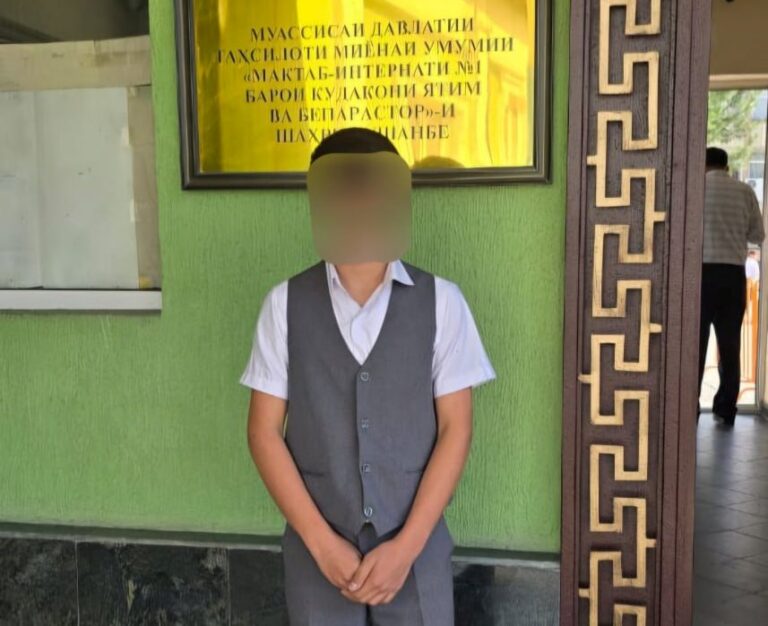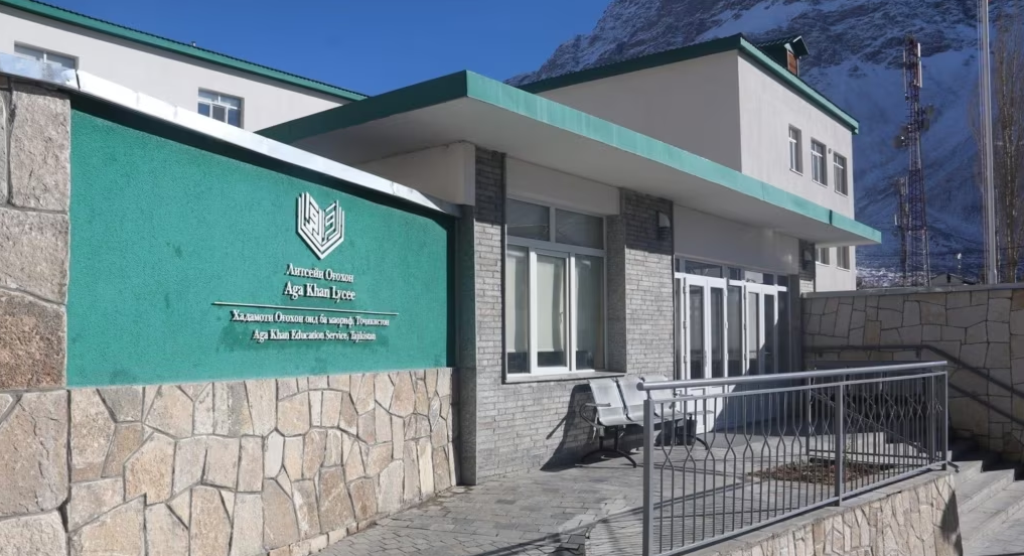
A new director was introduced to the staff of the Lyceum for Gifted Children in Khorog (the former Lyceum of the Aga Khan). According to the publication "Nigini Khorug", it was Khushbakht Davlatov.
"The leadership of the region and the city of Khorog called on the new leadership of the institution and its teaching staff to resume activities from tomorrow (August 24, – ed.) and prepare for the new academic year," the newspaper writes.
During the meeting of the new director with the lyceum staff, it was noted that tuition fees, as well as salaries of employees will not change, the publication reports.
The press service of the Ministry of Education of Tajikistan said "Asia-Plus" that "the new director of the lyceum was appointed by the authorities of Khorog, it is in their competence."
The Aga Khan Lyceum in Khorog, opened in 1998 with the participation of Tajik President Emomali Rahmon and Prince Karim Aga Khan, was previously considered one of the most prestigious educational institutions in the country. It was the only educational institution in the Gorno-Badakhshan Autonomous Region (GBAO), where lessons were conducted in three languages – English, Tajik and Russian.
However, two months ago, it was decided to turn the lyceum into a state institution due to problems with the curriculum and inconsistencies with educational standards.
At a press conference, Deputy Minister of Education and Science of Tajikistan Ziedullo Abdulzoda said that the main reason for the transformation of the lyceum was the disregard by the management and teachers of this educational institution of the existing standards of the country's education system.
"The education system of Tajikistan is determined and established by the state standard of education, which must be observed by all educational institutions. However, the teachers of the Aga Khan Lyceum ignored the indicators of this standard, deviating from the curriculum," he said.
Exactly what standards are in question, it was not announced.
Abdulzoda also noted that the state language was taught less actively at the lyceum, and priority was given to the study of foreign languages.
The Deputy Minister also mentioned that among the graduates of this lyceum there were many who did not speak the state language, which "is unacceptable for an educational institution located in Tajikistan."