The Government of Tajikistan has issued a decree on establishing the Organizing Committee for the implementation of the UN General Assembly’s resolution on the Year of Glaciers’ Preservation.
The Organizing Committee will be led by Prime Minister Qohir Rasouzloda and its members will include 30 officials.
The Organizing Committee is instructed to discuss and approve the Plan of Actions on the implementation of the fifth initiative of the President of Tajikistan and take practical measures for implementation of it on time.
As part of this Plan, Dushanbe will host an international conference, entitled “2025 the International Year of Glaciers’ Preservation.”
Besides, a special fund will be set up for holding the international conference’s events that will have bank accounts both in national and foreign currencies.
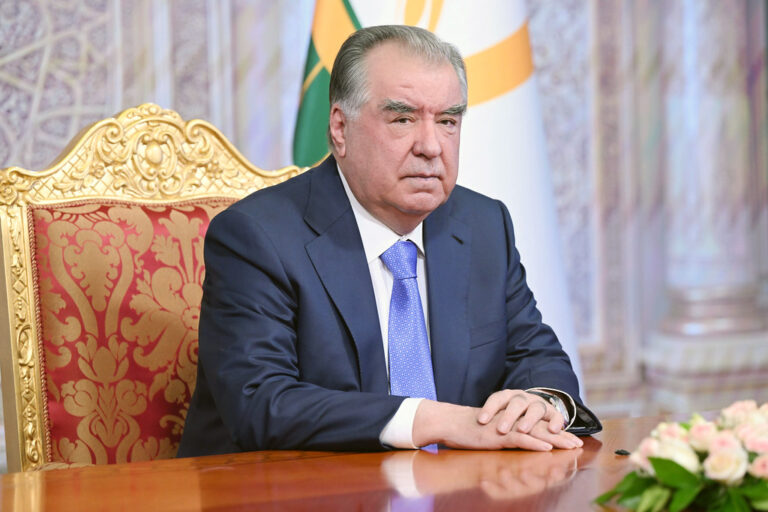
Recall, the Tajik President Emomali Rahmon, delivering a statement at a high–level Panel on Water and Climate Issues, proposed to declare 2025 the International Year of Glaciers’ Preservation and to determine the date of the World Glacier Protection Day. Another proposal of Tajikistan is the creation of a special international fund for the Protection of Glaciers.
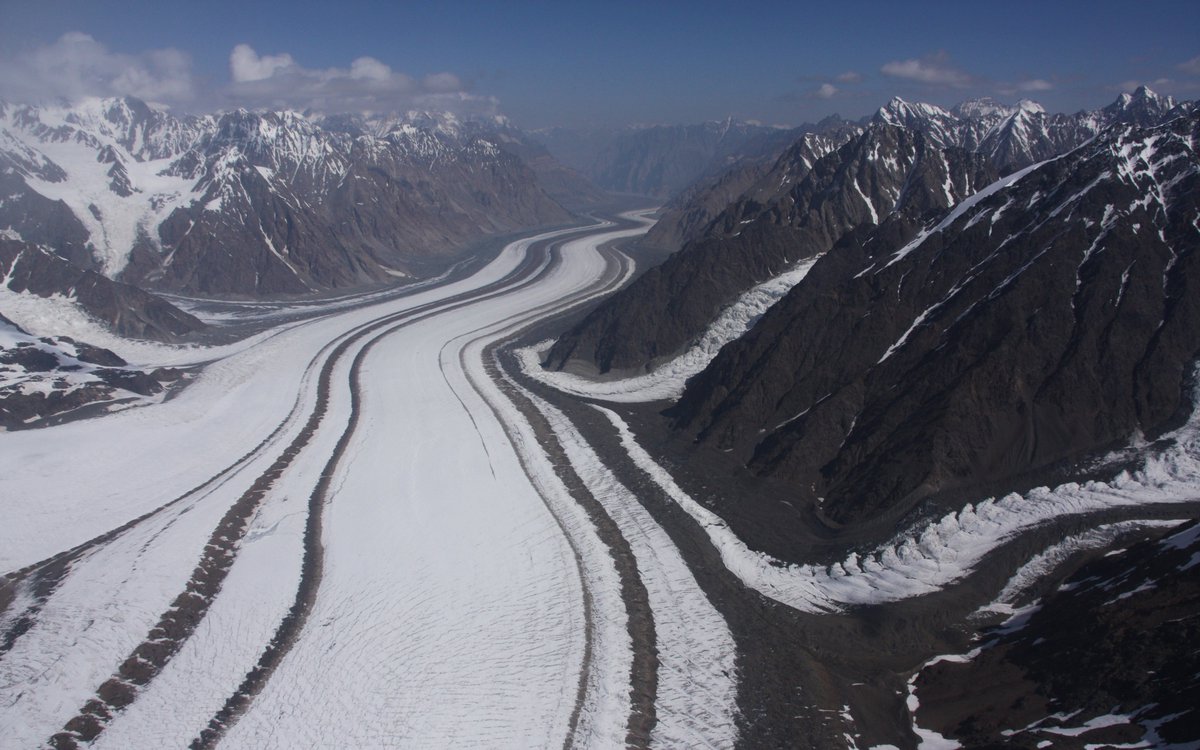
According to experts, there are more than 13,000 glaciers in Tajikistan. Their total volume is reportedly 850 cubic kilometers.
They are involved in feeding the main rivers of the country and during the hottest days of summer they give fresh water, which is very necessary not only for Tajikistan, but also for other countries of the Central Asian region.
In recent decades, under the influence of climate change, some large glaciers have shrunk and retreated by kilometers. Thus, the Vanjyakh (formerly Fedchenko) Glacier has shrunk by more than two cubic kilometers of ice over the past few years, with a total volume of 144 km3. It should be noted that a significant part of the water resources of Central Asia is concentrated in Tajikistan. Thus, the melting of glaciers in this country poses a huge threat to the entire region as a whole.
Scientists argue that the melting of glaciers is virtually irreversible, and the industrial age has only accelerated the process.