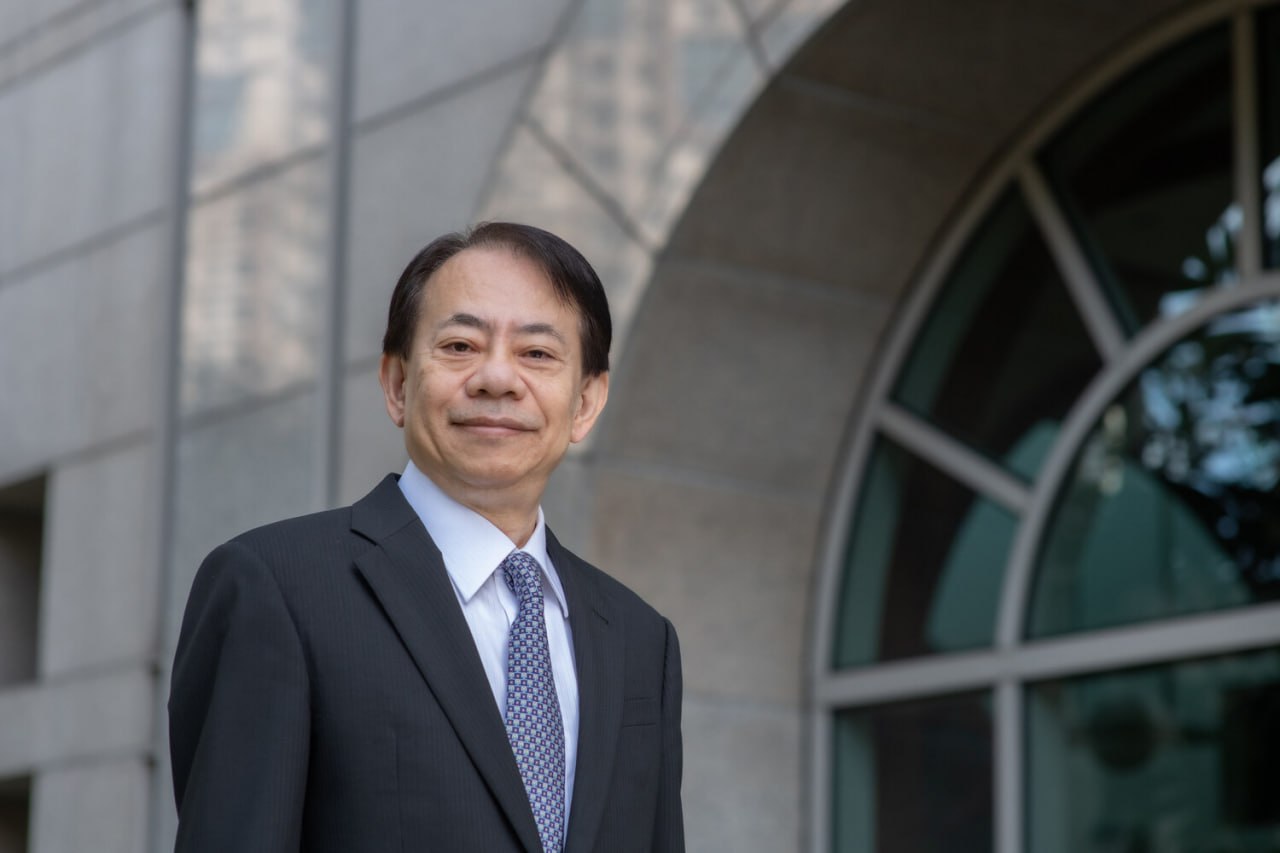
ADB President Masatsugu Asakawa notes that recent climate-related disasters are a tragic foretaste of the world that awaits “if we don’t act now to prevent these immense and overlapping threats, or polycrises, from defining our future.”
According to him, multilateral development banks (MDBs) like the Asian Development Bank (ADB), must do more and act faster to overcome these crises and help people—while there is still time. Business as usual isn’t an option, especially in Asia and the Pacific where nearly 70 million people have fallen back into extreme poverty since the pandemic, and which accounts for more than half of the world’s greenhouse-gas emissions.
“We need bold action to deliver the estimated US$3 trillion needed annually by 2030, according to the G20, to tackle global challenges and revive progress on the Sustainable Development Goals (SDGs),” say an article by ADB president released by the ADB Tajikistan Resident Mission (TJRM).
According to him, the G20 believes MDBs can help deliver this finance by wringing every last dollar from their balance sheets. “I agree, and at ADB that process is well underway. In September, we announced capital management reforms that include optimizing our prudential level of capitalization,” Mr. Masatsugu Asakawa noted.
These reforms reportedly unlock US$100 billion in new commitments capacity over the next 10 years. They expand the bank’s annual new commitments capacity to more than US$36 billion—an increase of approximately $10 billion, or about 40%. This will make up to US$360 billion available over the next decade to expand our climate investments, spur momentum on the SDGs, and increase our support for economies still suffering from pandemic impacts. Importantly, the reforms are designed to ensure ADB’s AAA credit rating is safeguarded.
This is part of a series of innovations ADB has made to expand its lending capacity. In May, ADB announced the Innovative Finance Facility for Climate in Asia and the Pacific, which allows donors to guarantee parts of the existing sovereign loan portfolio on ADB’s balance sheet, allowing ADB to leverage and generate US$5 in climate finance for every US$1 of guarantees. ADB has also entered sovereign exposure exchange agreements with other MDBs to reduce portfolio concentration risks.