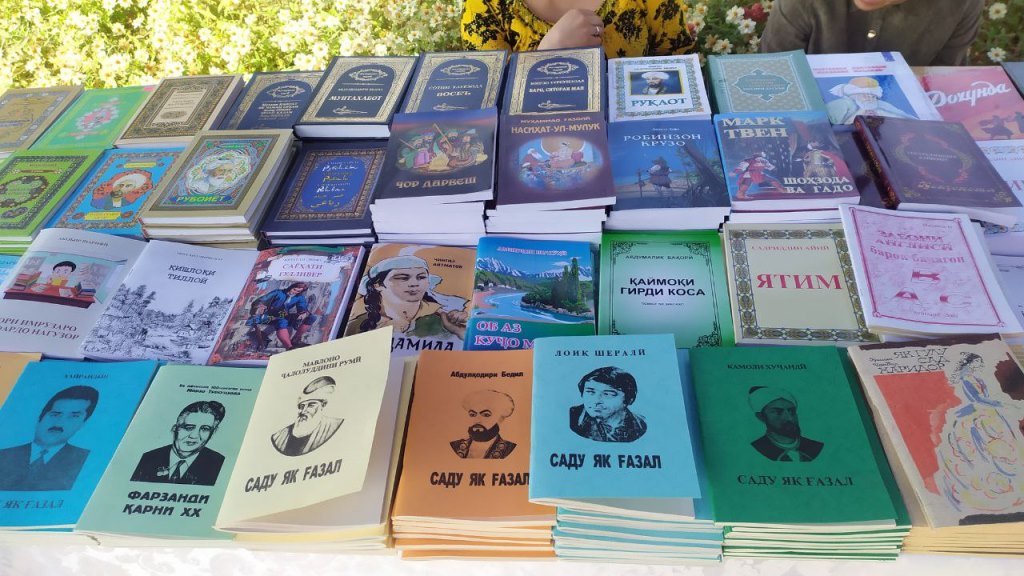
MoС recommends that the texts of books be coordinated with the relevant bodies before publication

The Ministry of Culture (MoC) does not obligate the content of publications to be coordinated with the Ministry’s Arts Council but recommends that the text of any book be coordinated with the relevant bodies before publication, says the MoC.     Halva.tj had earlier informed of new rules for publishing books.  The Deputy Minister of Culture, […]

The Ministry of Culture (MoC) does not obligate the content of publications to be coordinated with the Ministry’s Arts Council but recommends that the text of any book be coordinated with the relevant bodies before publication, says the MoC.    

Halva.tj had earlier informed of new rules for publishing books.  The Deputy Minister of Culture, Davlat Safarzoda, allegedly announced them at a workshop that took place in Dushanbe on September 15. 

The workshop reportedly gathered senior representatives of publishing houses and the press of the Ministry of Culture.  

According to Halva.tj’s report, henceforth all publishing houses and printing houses, irrespective of their forms of property, must coordinate the publication of books with the Arts Council of the Ministry of Culture. 

However, the Deputy Minister of Culture, Davlat Safarzoda, noted in a written response to Asia-Plus’s written request that there is “no any specific directive obligating the publishing houses to get Arts Council’s approval for book publication.” 

“Publishing houses, represented by the editor, can independently decide on coordinating their works with the relevant authorities in order to obtain an opinion,” Safarzoda noted in his letter.  

He further noted that publishing houses must print textbooks, scientific, political and religious literature only after receiving recommendations from the relevant authorities.  

“Each work received by the publishing house must be submitted to the relevant authorities: literary works must be submitted to the Writers’ Union, scientific works must be submitted to the National Academy of Sciences and the National Encyclopedia of the Tajik Language,” Safarzoda said, adding that the religious text must be submitted to the Committee on Religious Affairs and medical publications must be submitted to the Ministry of Health and Social Protection of the Population.      

At the same time, he noted that the Ministry of Culture does not have the list of prohibited books and it deals with the issue of publishing books on the basis of the current legislation of the Republic of Tajikistan.   
Join us on social media!

Article translations:

Related Article

Оби зулол
Tenisi
Оби зулол

Most Read

Коммерсбонк Точикистон

Recent Articles

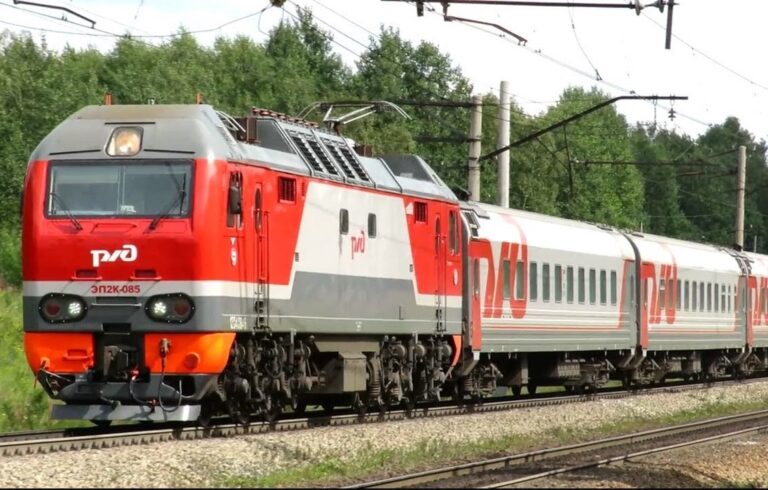
RZD announces the restoration of passenger services between Moscow and Dushanbe

Direct rail services between the capitals of Russia and Tajikistan were suspended in March 2020 due to the COVID-19 pandemic.

#AP30/Stories. “Selam! Heller nichek?” How Tatars live today in Sughd province

On the 30th anniversary of "Asia-Plus," we continue to publish reports that remain relevant even after years. This story was told in 2021, and since then, little has changed in the life of the Tatar community in Tajikistan.

15,000 cameras, drones, and robots: how technology monitors pilgrims in Mecca and Medina

During Hajj 2026, Mecca and Medina were under unprecedented digital control.

Another child in Dushanbe removed from family and sent to boarding school

The Ministry of Internal Affairs reports that the parents did not pay adequate attention to the child.

Emomali Rahmon instructs to address issues in seed production following criticism of the industry

Issues have been noted with certification, seed quality, and the material and technical base of the industry.

Water, climate, and a $130 billion deficit: seven key outcomes of the Water Conference in Dushanbe

At the forum, countries and international organizations discussed new mechanisms for cooperation, investments, and technologies that are essential for addressing the global water crisis.

Eskhata Bank introduces a new generation children’s wallet

"Eshkata Bank" has created a full-fledged digital platform that helps children aged 7 to 16 learn how to manage money.