Kazakh media reports say the Minister of energy of Kazakhstan Amasadam Satkaliyev has warned the country’s citizen of an expected increase of liquefied gas prices to the level of production costs.
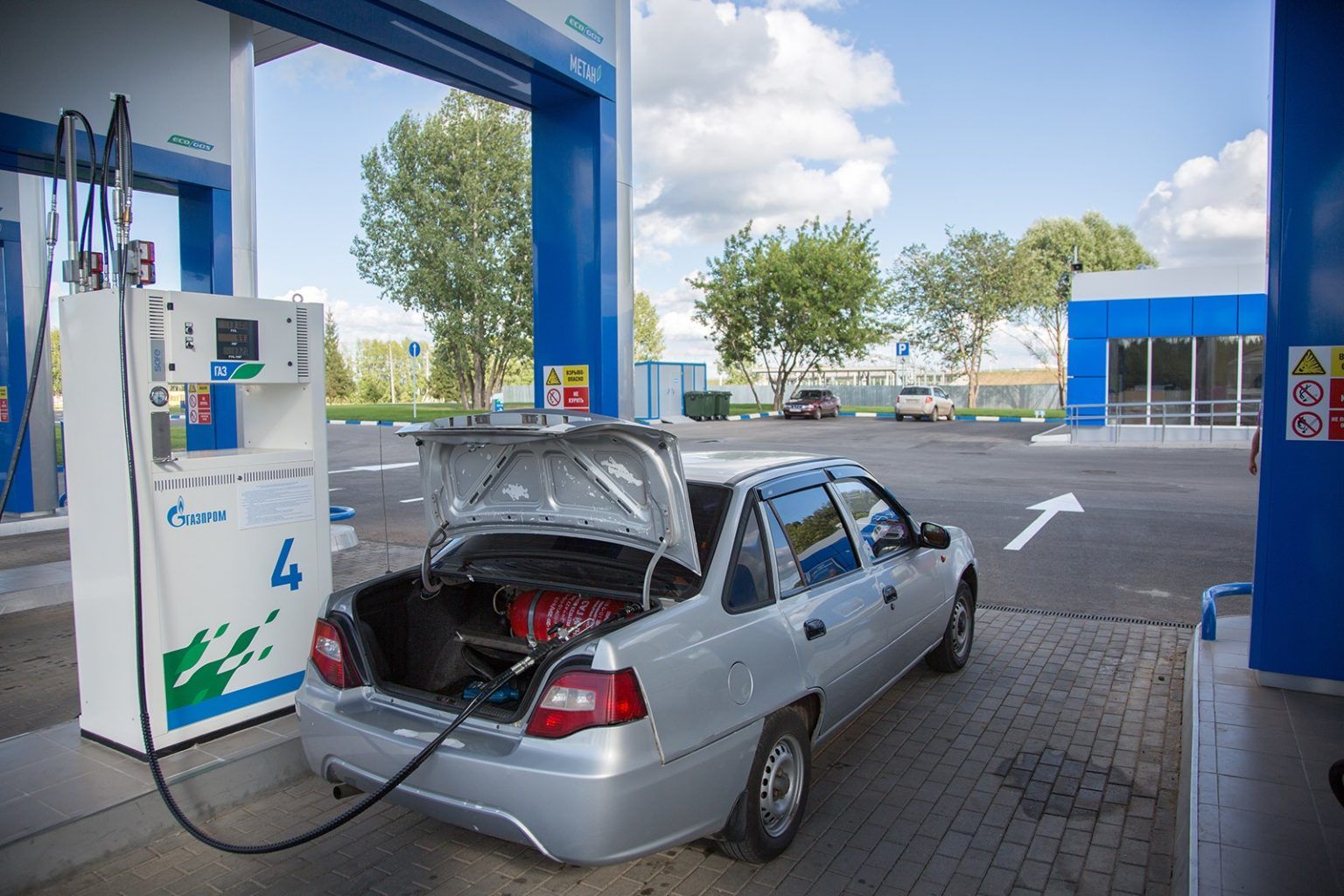
Zakon.kz reports that the minister has repeatedly noted that the country has seen a significant increase in use by motor vehicles of liquefied gas as fuel.
“Of course, there are prerequisites for increasing prices. I have already said that this is an investment that involved the modernization of basic equipment and the understanding that this type of auto fuel is now being sold to the domestic market at a loss below cost,” Satkaliyev was cited as saying.
In addition, LPG holds strategic importance as a raw material for large-scale petrochemical projects in Kazakhstan. This unique product is expected to generate employment opportunities within the country, emphasizing the need to meet growing demand, the minister noted.
He reportedly explained that measures are being taken to meet this demand, including the redirection of export volumes.
The minister noted that they are solving the issues of a sharp increase in demand by redirecting volumes from exports. According to him, Tengizchevroil is redirecting about 20,000 tons monthly to the domestic market.
The minister emphasized that current LPG prices in Kazakhstan range from 50 to 80 tenge ($0.11 to $0.17), significantly lower than the estimated production cost of 110 tenge (US$0.23 per liter).
“But we don’t plan to set this price right away, that is, it will be a gradual increase,” Satkaliyev said.
Previously, he recommended that Kazakhstanis not convert their vehicles to liquefied gas, warning that low prices for this type of fuel will not remain.
What awaits Tajikistan?
Kazakhstan, which is Central Asia’s biggest oil producer, provides the bulk of Tajikistan’s liquefied natural gas (LNG) imports. According to data from the Antimonopoly Agency under the Government of Tajikistan, Kazakhstan over the first six months of this year has accounted for about 73 percent of Tajikistan’s LNG imports, Russia – almost 25 percent, and Uzbekistan – about 2.0 percent.
In January-June this year, 14 companies have delivered about 170,000 tons of LNG worth US$68.2 million to Tajikistan.
According to data from the Ministry of Economic Development and Trade (MoEDT), more than 60 percent of motor vehicles in the country use liquefied natural gas as fuel.
Last month, LNG prices in Dushanbe rose on average more than 30 percent: from 6.10 somonis per liter in early October to 8.00 somonis at the end of the month, with similar price rises in other parts of the country.
Officials within the Antimonopoly Agency say the LNG price hike has resulted from the rising cost of LNG in exporting countries.
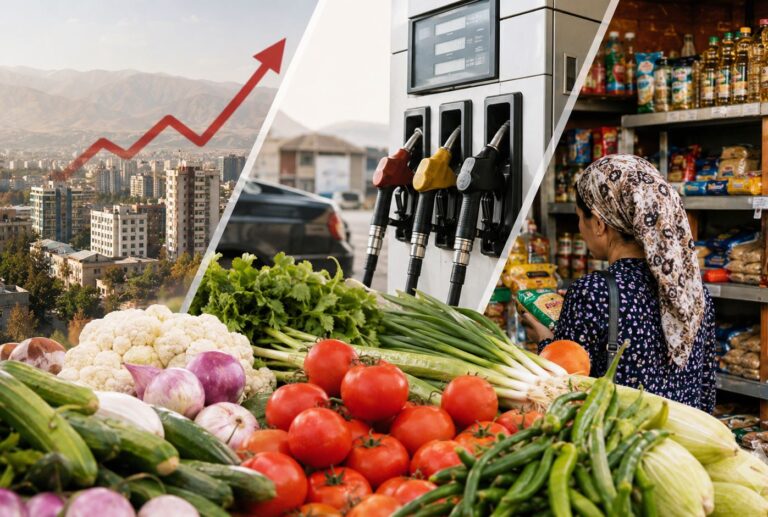
Economists have calculated that a 30-percent increase in LNG prices will lead to 10-15-percent increase in the price of agricultural goods in the country.
Tajikistan has faced rising liquefied natural gas (LNG) prices and is looking for alternative fuel supplies as Kazakhstan has decided to temporarily halt LNG exports and Russia has released free prices for this type of fuel.
Further increase in LNG prices will lead to increase in the price of basic food products in Tajikistan.
Recall, Kazakhstan last month stopped liquefied petroleum gas (LPG), propane and butane exports for the period of three months to ensure its domestic market is fully supplied.