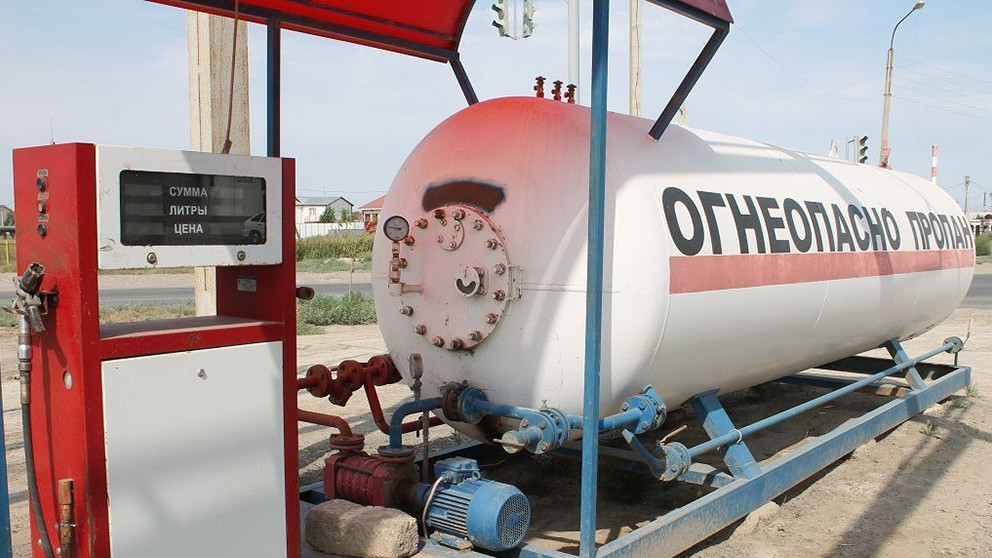
Kazakhstan has imposed a six-month ban on the export of liquefied natural gas (LNG) by road and rail due to LNG shortage in the domestic market
“Taking into account the social significance of liquefied gas in the domestic market, the Ministry of Energy has developed a draft order banning the export of liquefied gas by road and rail for the period of six month,” says the Kazakh Energy Ministry’s press center.
The ministry notes that the order comes into force on the date of its first publication – November 14, 2023.
The ministry also notes the rapid switch of the population and many industrial enterprises in the country to this type of fuel.
Recall, Kazakhstan on October 7 issued an order imposing a three-year ban on of the export of liquefied gas by road “in order to ensure its domestic market is fully supplied.”
Kazakhstan, which is Central Asia’s biggest oil producer, provides the bulk of Tajikistan’s liquefied natural gas (LNG) imports. According to data from the Antimonopoly Agency under the Government of Tajikistan, Kazakhstan over the first six months of this year has accounted for about 73 percent of Tajikistan’s LNG imports, Russia – almost 25 percent, and Uzbekistan – about 2.0 percent.
According to data from the Ministry of Economic Development and Trade (MoEDT), more than 60 percent of motor vehicles in the country use liquefied natural gas as fuel.
Last month, LNG prices in Dushanbe rose on average more than 30 percent: from 6.10 somonis per liter in early October to 8.00 somonis at the end of the month, with similar price rises in other parts of the country.
Officials within the Antimonopoly Agency say the LNG price hike has resulted from the rising cost of LNG in exporting countries.
Economists have calculated that a 30-percent increase in LNG prices will lead to 10-15-percent increase in the price of agricultural goods in the country.
Tajikistan has faced rising liquefied natural gas (LNG) prices and is looking for alternative fuel supplies as Kazakhstan has decided to temporarily halt LNG exports and Russia has released free prices for this type of fuel.
Further increase in LNG prices will lead to increase in the price of basic food products in Tajikistan.