A report released by the World Bank on October 30, 2023 notes that consumer prices continue to decrease in Afghanistan because of persistent economic weakness and reduced demand, prolonging the deflationary trend that began in April 2023. Half of all Afghans are reportedly living in poverty.
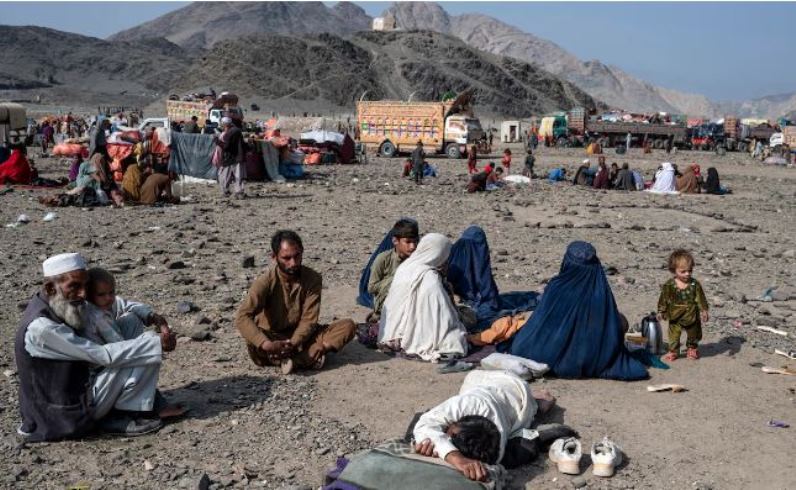
The “Afghanistan Economic Monitor” says the “Afghanistan Welfare Monitoring Survey” reveals that poverty affects one in every two Afghans, while about 15 million people are food insecure. To cope with the economic downturn, households have increased the participation of marginalized labor market members, such as youth and women. However, this response has increased unemployment due to the lack of available jobs.
The report notes that according to unofficial customs data from January to September 2023, total exports reportedly amounted to US$1.3 billion, representing a slight decrease of 0.5 percent compared to the same period in 2022. Between February and August 2023, exports consistently declined, primarily due to a 37 percent decrease in coal exports, which comprise 17 percent of total exports. On the other hand, food exports, accounting for 63 percent of total exports, grew by 11 percent, and textile exports, comprising 14 percent of total exports, increased by 44 percent. Despite declining unit export prices, the increase in vegetable exports to India and Pakistan helped offset the decrease. Pakistan remains Afghanistan's largest export market, accounting for 55 percent of total exports, followed by India at 29 percent. However, during the first nine months of 2023, exports to Pakistan experienced a 15 percent drop, mainly due to a 15 percent decline in food exports and a 37 percent decline in coal exports. In contrast, food exports to India increased by 40 percent, contributing to the overall increase in food exports.
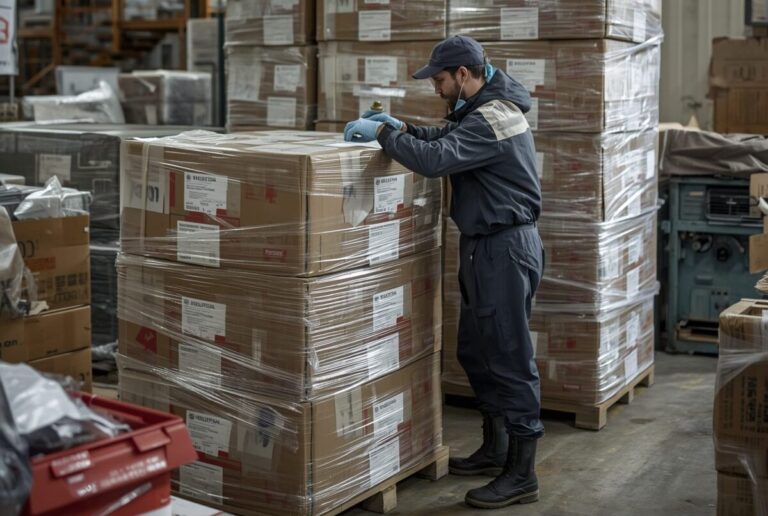
From January to September 2023, Afghanistan's imports reportedly reached US$5.7 billion, showing a 27 percent growth compared to the same period in 2022. This growth was observed across all import groups, including food, minerals, textiles, chemicals, machinery, and transportation. However, the increased import demand in these categories does not align with the country's depressed economic reality. In September 2023, imports declined by 12 percent compared to the previous month, affecting all imported items. This decline may continue as Pakistani authorities have imposed restrictions on importing certain items through the Afghan Transit Trade.1 Iran is the largest import origin country at 21 percent, followed by China at 18 percent, Pakistan at 18 percent, and the United Arab Emirates at 14 percent.
From January to September 2023, the trade deficit widened to US$4.4 billion, compared to US$3.2 billion during the same period in 2022.
Earlier, the World Bank had written in a report that after the establishment of the Islamic Emirate, Afghanistan's economy has stagnated and the unemployment rate in the country has doubled.