Russia introduced a temporary ban on durum wheat exports until May 31, 2024, with the publication of a government decree on December 11 in an effort to ensure the country’s food security and stabilize prices.
The Russian news agency Interfax reports that Prime Minister Mikhail Mishustin signed the order to enforce the ban.
The decree includes exemptions such as shipments for global humanitarian aid or under worldwide inter-governmental agreements. Exports to South Ossetia and Abkhaiza in the South Caucasus region, as well as grain shipped as supplies are also permitted.
According to Interfax, the Russian Agriculture Ministry said worldwide hard wheat harvests had hit “20-year lows in most producing countries”, causing demand for the products to jump.
Nations within the Eurasian Economic Union (EAEU), which includes Belarus, Kazakhstan, Kyrgyzstan, and Armenia, also will be allowed to receive durum wheat exports, if they have permits from the Agriculture Ministry.
Russia is the world’s largest wheat exporter, but its durum production and supplies are small. Media reports say Russia’s agriculture ministry proposed the measure in early November.
Interfax says Russia boosted durum wheat exports between July 1 and November 10 to 657,000 tons from 52,000 tons in the same period of 2022. The wheat was reportedly shipped to Italy, Turkey and Tunisia.
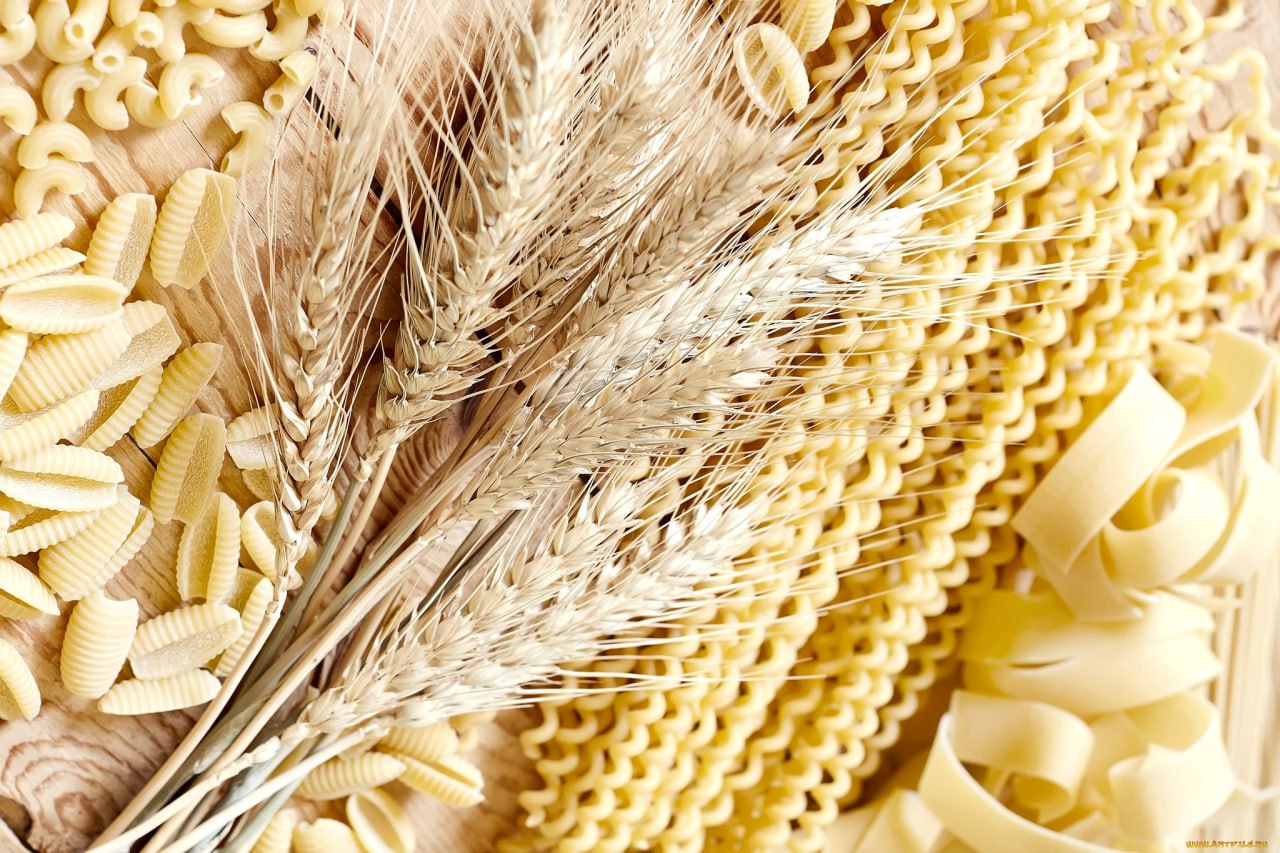
Durum wheat, also called pasta wheat or macaroni wheat, is a tetraploid species of wheat. It is the second most cultivated species of wheat after common wheat, although it represents only 5% to 8% of global wheat production.
As far as Tajikistan is concerned and the possible impact of Russia’s durum wheat export ban on it, it is to be noted that Tajikistan purchases wheat from Russia in small quantities. Tajikistan mainly imports soft wheat from Russia for the production of bakery products.
Durum wheat is used for production of pasta and hard semolina. Pasta production is not so developed in Tajikistan and relatively small volume of durum wheat is needed to meet its needs.
Currently, there are 31 pasta producing enterprises operating in Tajikistan, and over the first nine months of this year, they have produced 6,300 tons of pasta. Approximately 10,000-12,000 tons of durum wheat have been required for product of this amount of pasta.
Meanwhile Tajikistan plans to increase pasta production to 29,000 tons in 2025 and the demand for durum wheat will undoubtedly increase several times in Tajikistan.
Currently, Tajikistan is able to meet 15%-20% of the population’s requirements in pasta.
According to statistical data from the Customs Service under the Government of Tajikistan, durum wheat imports into the country last year amounted to more than 11,000 tons, and over the first ten months of this year, the country’s durum wheat imports have amounted to about 8,000 tons. The Russian Federation has reportedly accounted for almost 50 percent of Tajikistan’s provided durum wheat imports.