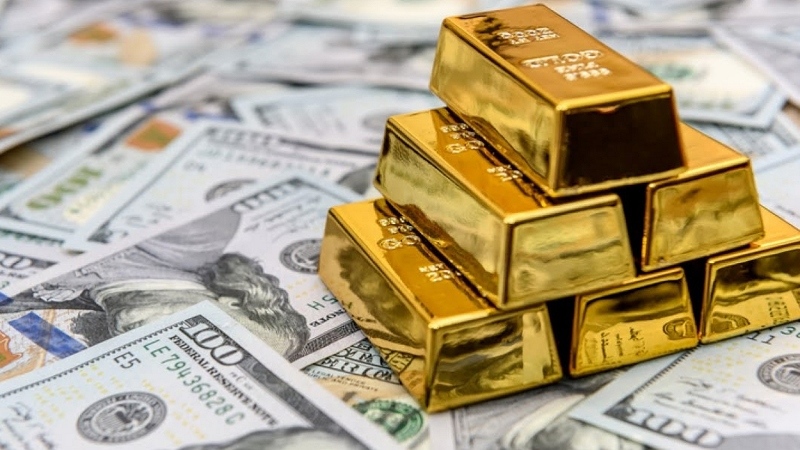
Tajikistan’s gold-and-currency reserves exceed the adequacy standards of international financial institutions for developing countries, the head of the National Bank of Tajikistan (NBT), Firdavs Tolibzoda, told reporters in Dushanbe on February 14.
He did not disclose the volume of gold and foreign exchange reserves in monetary terms, just saying that the country’s international reserves now cover 5½ months of imports.
According to official data, Tajikistan’s current average monthly import volume amounts to 490 million US dollars.
Meanwhile, the financial regulator head noted that gold now accounts for 8.0 percent of the country's international reserves.
Foreign currencies, special drawing rights (SDRs) and external investment portfolio accounted for 92 According to data of Tajikistan’s Customs Service, Tajikistan last year exported US$1.138.5 billion worth of precious metals, which accounts for 46.8 percent of the country’s exports. Compared to the previous year of 2022, precious metals exports increased 2.2 times.
NBT specialists say Tajikistan has sold gold abroad to maintain a stable value for the national currency, the somoni.
International reserves (or reserve assets in the balance of payments) are those external assets that are readily available to and controlled by a country’s monetary authorities. According to the International Monetary Fund (IMF), international reserves comprise foreign currencies, other assets denominated in foreign currencies, gold reserves, special drawing rights (SDRs) and IMF reserve positions. These reserves may be used for direct financing of international payments imbalances, or for indirect regulation of the magnitude of such imbalances via intervention in foreign exchange markets in order to affect the exchange rate of the country’s currency.