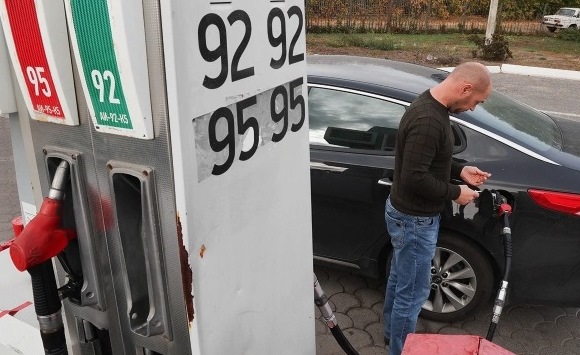
Russian Prime Minister Mikhail Mishustin has approved a ban on gasoline exports for six months starting from March 1, the RBC daily reported on today, citing two sources.
The temporary export ban does not apply to the agreed volumes of supplies to the Eurasian Economic Union countries, Mongolia, Uzbekistan, Abkhazia and South Ossetia, RBC said.
In addition, according to RBC’s, a decision was made to increase the standard for diesel sales on the stock exchange to 16%.
According to RBC, the initiator of the introduction of a temporary ban on the export of gasoline and an increase in the standards for trading petroleum products on the stock exchange was the Deputy Prime Minister of the Russian Federation Alexander Novak.
Deputy Prime Minister Alexander Novak reportedly earlier addressed the prime minister with a proposal to introduce the temporary ban. In a letter dated February 21, Novak noted that seasonal demand for the fuel will soon pick up in the domestic market.
In Novak's opinion, it is necessary to take measures that will help stabilize prices on the domestic market and neutralize the rush demand for petroleum products in the country.
Meanwhile, BNN says this decisive action, aimed at stabilizing the domestic fuel market in anticipation of a surge in demand, underscores the intricate balance nations must maintain between international trade commitments and domestic needs. As the world watches, the implications of this decision extend far beyond Russia's borders, touching on global energy dynamics, regional economic stability, and the everyday lives of millions.
Recall, Russia last September introduced a ban on fuel exports – except to Belarus, Kazakhstan, Armenia and Kyrgyzstan – in order to tackle high domestic prices and shortages. Almost all the restrictions were subsequently removed by November.
Russia provides the bulk of Tajikistan’s petroleum products imports.
Since 2013, more than 90 percent of all petroleum products have been imported into Tajikistan from Russia on concessional terms.
The agreement on duty-free Russian oil product deliveries to Tajikistan was signed between the governments of Russia and Tajikistan in Moscow on February 6, 2013
Under this agreement, the sides consider and endorse the indicative fuel balance for the next calendar before October 1 of each year. Fuels delivered in addition to the indicative fuel balance will be liable to export duty.
Russian petroleum products delivered to Tajikistan in the volumes not exceeding those agreed on indicative balance are not subject to re-export to the third countries.