EBRD helps increase reliability of electrical grid in Tajikistan

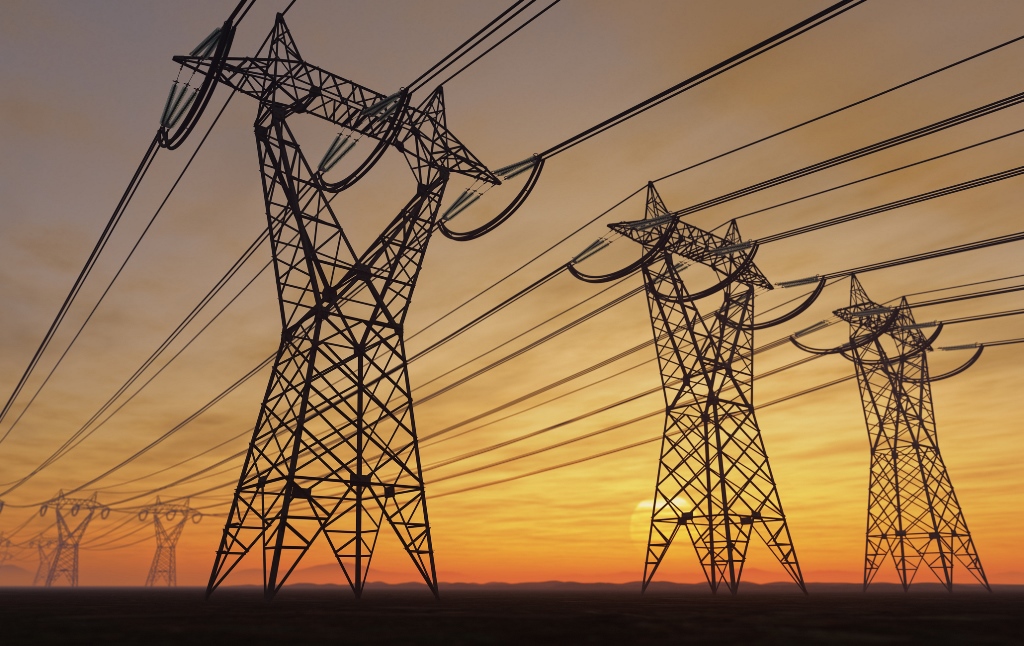
The European Bank for Reconstruction and Development (EBRD) is pledging more resources to increase the reliability and sustainability of electricity supply in Tajikistan by organizing a financial facility of up to €31 million for national transmission network operator Shabakahoi Intiqoli Barq (SIB), says press release issued by the EBRD Office in Dushanbe. The facility consists […]

Press release

The European Bank for Reconstruction and Development (EBRD) is pledging more resources to increase the reliability and sustainability of electricity supply in Tajikistan by organizing a financial facility of up to €31 million for national transmission network operator Shabakahoi Intiqoli Barq (SIB), says press release issued by the EBRD Office in Dushanbe.

The facility consists of two EBRD sovereign loans totaling up to €23 million and an investment grant of up to €8 million.

The funds will help rehabilitate the existing transformer and construct a new one at the Sugd-500 substation in the north of the country.

The project will also be supported by an investment grant of up to €2 million from the Sustainable Infrastructure Fund.

The northern Tajikistan power system depends on the 500 kV Sugd-Dushanbe high-voltage line connected to the Sugd-500 substation.  

Once upgraded and expanded, the substation will increase the sustainability of the electrical grid, which will be able to meet both growing domestic demand and demand for electricity exports.  It will also help SIB integrate up to 700 MW of renewables in line with Tajikistan’s 2030 National Development Strategy aimed at diversification its energy production.  

This undertaking builds on the success of the EBRD’s recently completed Sugd energy loss-reduction project, which demonstrated the effectiveness of modern metering and billing systems by reducing network losses in the region’s main city of Khujand from 27 percent to 10 percent and by improving payment collections to nearly 100 per cent.

Supported by grant funds from the Sustainable Infrastructure Fund and the Japan-EBRD Cooperation Fund, this project is expected to bring significant environmental benefits to the Sugd region, such as an annual reduction in CO 2 emissions of 129,000 tons.  It will also help to ensure the smooth introduction to the grid of pilot renewable energy projects in the Sugd region.

As part of the project, the Bank will work on a capacity-building program at SIB to support the further development of a secure and resilient electricity system.

To date, the EBRD has invested €919 million through 165 projects in Tajikistan. 
Join us on social media!

Article translations:

Related Article

Оби зулол
Оби зулол

Most Read

Recent Articles

The only GPW veteran in Dushanbe allocated more than 80,000 somoni

The mayor's office of Dushanbe allocated him 25,000 somoni.

GITEX AI Kazakhstan 2026: how Almaty became the main AI hub of Central Asia

More than 300 companies and startups, over 200 speakers and 100 investors from 50 countries — the region is entering the global stage.

A trade and economic park to be built at the border junction of Tajikistan, Kyrgyzstan, and Uzbekistan

President of the Kyrgyz Republic Sadyr Japarov familiarized himself with the project.

A project to protect soil from degradation to be developed in Central Asia

The initiative is of great significance for the mountainous countries of the region, including Tajikistan.

Mudslide, death, and destroyed homes: hundreds of families in Tajikistan left homeless

A correspondent from "Asia-Plus" visited Kulob and spoke with the families of those who died and were affected by the disaster.

Spring 2026 bright event: new issue of VIPzone now on sale

This issue is about people and ideas that change everything: from business and investments to fashion, food, and urban environment.

Godfrey Sullivan: “Tajikistan is a promising market for Visa to develop digital payments”

The Vice President of Visa explained why Tajikistan is becoming a promising market for digital payments and how artificial intelligence is influencing the future of finance.

Seven students in Dushanbe were threatened with expulsion for arriving at universities in personal cars

The materials for each case have been sent to the Ministry of Education and Science for appropriate actions.

India’s blockchain push and lessons for the global south

The Indian Government has started pushing aggressively its agenda...

India’s blockchain push and lessons for the global south

The Indian Government has started pushing aggressively its agenda...