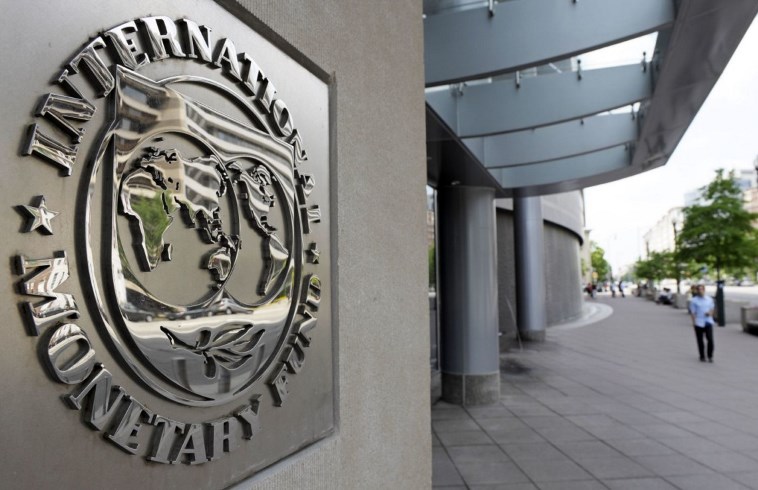
On February 28, the Executive Board of the International Monetary Fund (IMF) approved a twenty-two-month Policy Coordination Instrument (PCI) for Tajikistan.
According to IMF press release, Tajikistan’s favorable post-pandemic economic performance continued in 2023, with strong, broad-based growth and low inflation. The fiscal deficit has remained anchored within the authorities’ medium-term deficit target, contributing to a further reduction in the public-debt-to-GDP ratio. The outlook for 2024 reportedly appears favorable, although there remains considerable uncertainty over the external environment.
The IMF says the authorities requested approval of a 22-month program supported by the PCI to anchor economic policies and support implementation of vital structural reforms. The PCI aims to maintain macroeconomic stability, strengthen the authorities’ policy frameworks and support their efforts to foster more sustainable and inclusive growth. Program reviews will take place on a semi-annual fixed schedule. While the PCI involves no use of IMF resources, a favorable performance under the program would signal to development partners and private investors Tajikistan’s commitment to strong economic and structural policies, catalyzing financing for high-priority social and infrastructure projects.
The Tajik authorities’ reform priorities under the program will focus on three key pillars: 1) strengthen revenue mobilization, spending efficiency and monitoring of fiscal risks related to state-owned enterprises to improve fiscal resilience and preserve debt sustainability while prioritizing essential social and development spending; 2) modernize monetary, exchange rate and financial sector policies to increase their contribution to growth and resilience; and 3) advance broad-based structural reforms to foster more inclusive growth through augmented targeting of social assistance, improved governance of the central bank and state-owned enterprises and stronger anti-money laundering and anti-corruption frameworks.
The PCI is available to all IMF members that do not need Fund financial resources at the time of approval. It is designed for countries seeking to demonstrate commitment to a reform agenda or to unlock and coordinate financing from other official creditors or private investors.