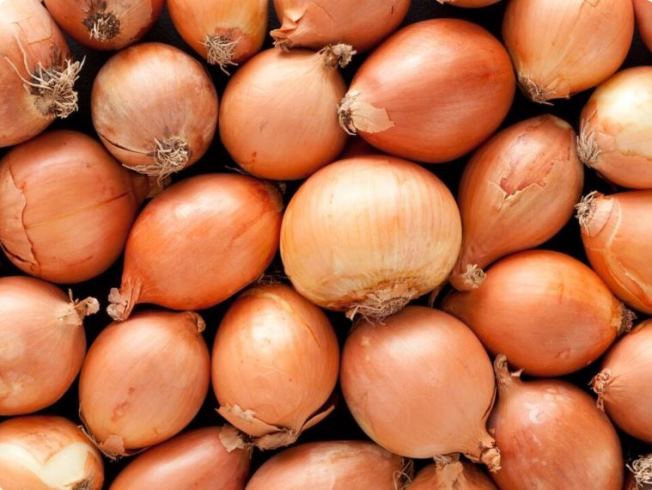
EastFruit analysts draw attention to another extension of the ban on onion exports, recently announced by the Indian government. The previous onion export ban was introduced in December 2023 and was valid until March 31, 2024, but it has now been extended for an indefinite period, according to EastFruit.
The government reportedly argued that domestic onion prices have increased by 43% over the year to about US$0.3 per kilogram, which is considered a high price for India.
With India being the world’s largest onion exporter by volume, it is not surprising that the decision to extend the onion export ban has led to nervous reactions in the region’s onion markets.
Climate change is reportedly the main reason for the decline in onion production in India. In particular, the lack of precipitation in many production regions has led to a decrease in onion yields. Since onions are one of the most consumed vegetables, especially among the poor in India, their impact on both inflation and voter sentiment is very significant.
The largest importing countries of onions from India are Bangladesh, Malaysia, UAE, Sri Lanka, Nepal, Indonesia, Qatar, Vietnam, Oman, Singapore, Kuwait, and Saudi Arabia. Accordingly, onion prices are expected to strengthen in these markets, which China will most likely take advantage of first.
Meanwhile, East Fruit reports that at the same time, in Tajikistan, last month the wholesale price of onions remained below 10 US cents per kg for several weeks and only increased slightly by February 9, 2024 reaching 11 cents, which is reportedly 42% less than in Uzbekistan.
To find out why wholesale prices for onions in Tajikistan are so low, East Fruit analysts reportedly spoke with several Tajik wholesale companies who, on condition of anonymity, reported a verbal order from the Tajik government to disallow fresh onion exports. There are no official bans on exports of onions, but traders reportedly claimed in mid-February that it is not possible to ship onions from Tajikistan abroad.
They believe the authorities’ decision is driven by fears of that last year’s price records would repeat again, when wholesale onion prices nearly reached US$1.00 per kg, an unheard-of level for the poor population of Tajikistan, where onion consumption remains very high.
According to EastFruit’s estimates, Tajikistan exports annually more than 100,000 tons of onions, which makes it one of the top-25 largest global exporters of this product.