The Russian government has announced that it intends to extend its ban on the export of grain and sugar to fellow members of a trading bloc until the end of August in a move that has sparked fear of food shortages around the region.
The Russian Ministry of Economic Development said on March 10 that the decision was motivated by the need to “ensure the country’s food security and to help protect the domestic market in the current climate.”
All the other member states of the Eurasian Economic Union, or EAEU, which comprise Armenia, Belarus, Kazakhstan, and Kyrgyzstan, will be deprived of the opportunity to import wheat, rye, barley, and corn from Russia until that designated date. Officials in Moscow insist that Russia currently has stocks of grain well in excess of its needs, but that the temporary prohibition has been instituted in part to prevent the re-export of crops to third countries.
The Ministry of Economic Development said in its statement that EAEU member nations have already bought the amounts they need, free of duty, over the current season.
TASS reports that according to data of the Ministry of Agriculture, currently, the grain supply in Russia exceeds 150 percent.
As far as sugar is concerned, TASS says Russia last year produced 6.661 million metric tons of sugar, up 9.9% in annual terms. In January 2024, sugar production reportedly totaled more than 548,000 metric tons or 48.2% above the level in January 2023.
Sugar exports surged from 21,000 metric tons in 2022 to slightly more than 315,000 metric tons in 2023, not including the EAEU. "Annual sugar consumption is at the same time at the level of 5.8 million metric tons," the Rusprodsoyuz Association noted.
The Russian Ministry of Agriculture last month suggested introducing a temporary ban on cane or beet sugar until August 31, 2024.
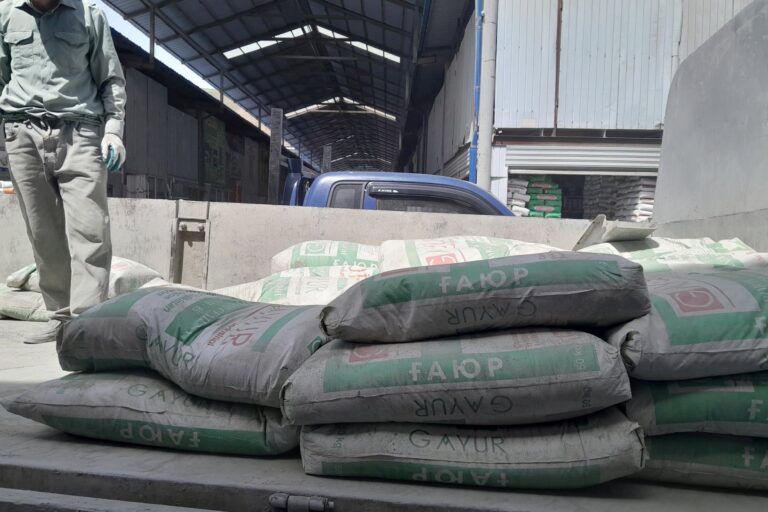
It is to be noted that Russia accounts for almost one-third of Tajikistan’s sugar imports. Accordingly, Tajikistan will have to replace the missing tons with supplies from other countries.
According to data from the country’s Antimonopoly Agency, Tajikistan last year imported 141,500 tons of sugar.
In 2023, among the sugar providing countries the greatest share reportedly came from Russia – about 32 percent; Pakistan – about 28 percent; India – 26 percent; Belarus – more than 12 percent; Iran – 1.0 percent; and others.
Last year, Tajikistan purchased sugar at the rate of US$669.00 per ton, which is US$61.00 more than in 2022.
Last year, 48 companies were engaged in supplying sugar to Tajikistan. The following companies were the mjor suppliers of sugar to the country: Barumand LTD – 22 percent; the Agency for State Material Reserves – 12.4 percent; Closed Joint-Stock Company (CJSC) Obi Zulol – 10.8 percent; Abu Bakri Dilshod LTD – 18.3 percent; and the confectionery factory Amiri – 7.0 percent.
According to some sources, Tajikistan’s sugar consumption rate is 16.8 kilograms per capita per year, which is almost similar to Turkmenistan (18.7 kilograms) and Uzbekistan (17.8 kilograms).