In a significant stride towards strengthening health security in Tajikistan, the United States Agency for International Development (USAID) and the World Health Organization (WHO) are collaborating on a new project to protect the population of Tajikistan against infectious disease outbreaks and other health emergencies.
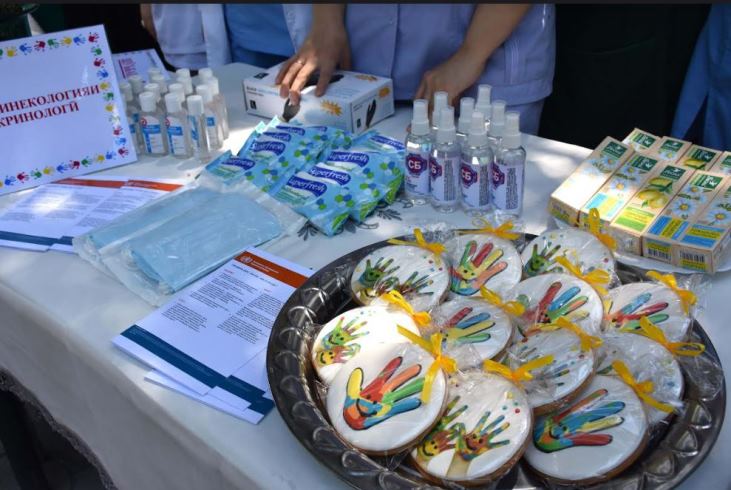
Press release issued by WHO Office in Tajikistan on May 14 says the importance and first results of the project were clearly observed on May 8 during a joint visit to one of the largest maternity hospitals in Tajikistan, the National Research Institute for Obstetrics, Gynecology and Perinatology of the Republic of Tajikistan in Dushanbe. The health workers and development partners celebrated their significant achievements with theater and dance performances.
Dr. Rosa Nodirshoyeva reportedly gave a tour of the large maternity hospital and she and her colleagues demonstrated the right measures and techniques to prevent and control infections in the facility. This is of vital importance to keep patients and health-workers safe from such health care-associated infections, and to be able to provide good quality care.
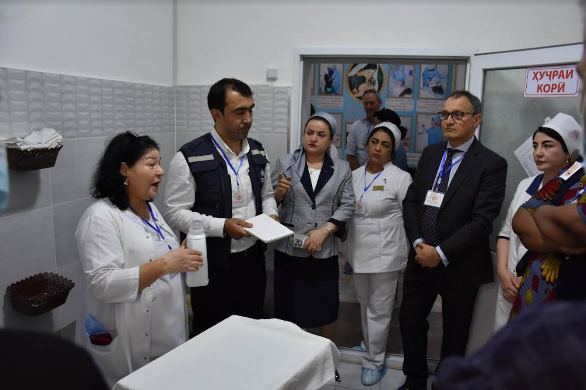
Infection prevention and control plays a pivotal role in strengthening health security by mitigating the spread of infectious diseases within communities and healthcare settings. Effective implementation of these measures not only protects individuals from acquiring infections but also helps contain outbreaks at their source, preventing them from escalating into larger-scale epidemics or pandemics. By prioritizing robust infection prevention and control protocols, healthcare systems can build resilience against emerging infectious threats and safeguard public health on a global scale. Furthermore, proper infection, prevention and control are key to preserve the effectiveness of antimicrobial medicines which is essential for treating infections.
WHO cooperates closely with USAID, Local Health System Sustainability Project (LHSS), Family Health Initiative 260 (FHI 360) and the Food and Agriculture Organization (FAO) to help Tajikistan better respond to any possible future pandemic, by detecting infectious disease threats early, respond rapidly and effectively to new outbreaks, and prevent those outbreaks that are available. Strengthening infection, prevention, and control in health care facilities is pivotal to this end and therefore one of the key objectives of the USAID-funded health security project implemented by WHO.
The strides made at maternity hospital no 1 serve as a testament of the efficacy of the USAID-funded program on health security in Tajikistan and speak to the need to further improve health emergency preparedness and response in the country.