The UN announced щт May 21 that the third meeting on Afghanistan, involving special representatives from various countries, will take place in Doha. According to the Organization, the meeting is scheduled for June 30 and July 1.
The goal of the meeting is to “expand international interaction with Afghanistan in a consistent and structured manner."
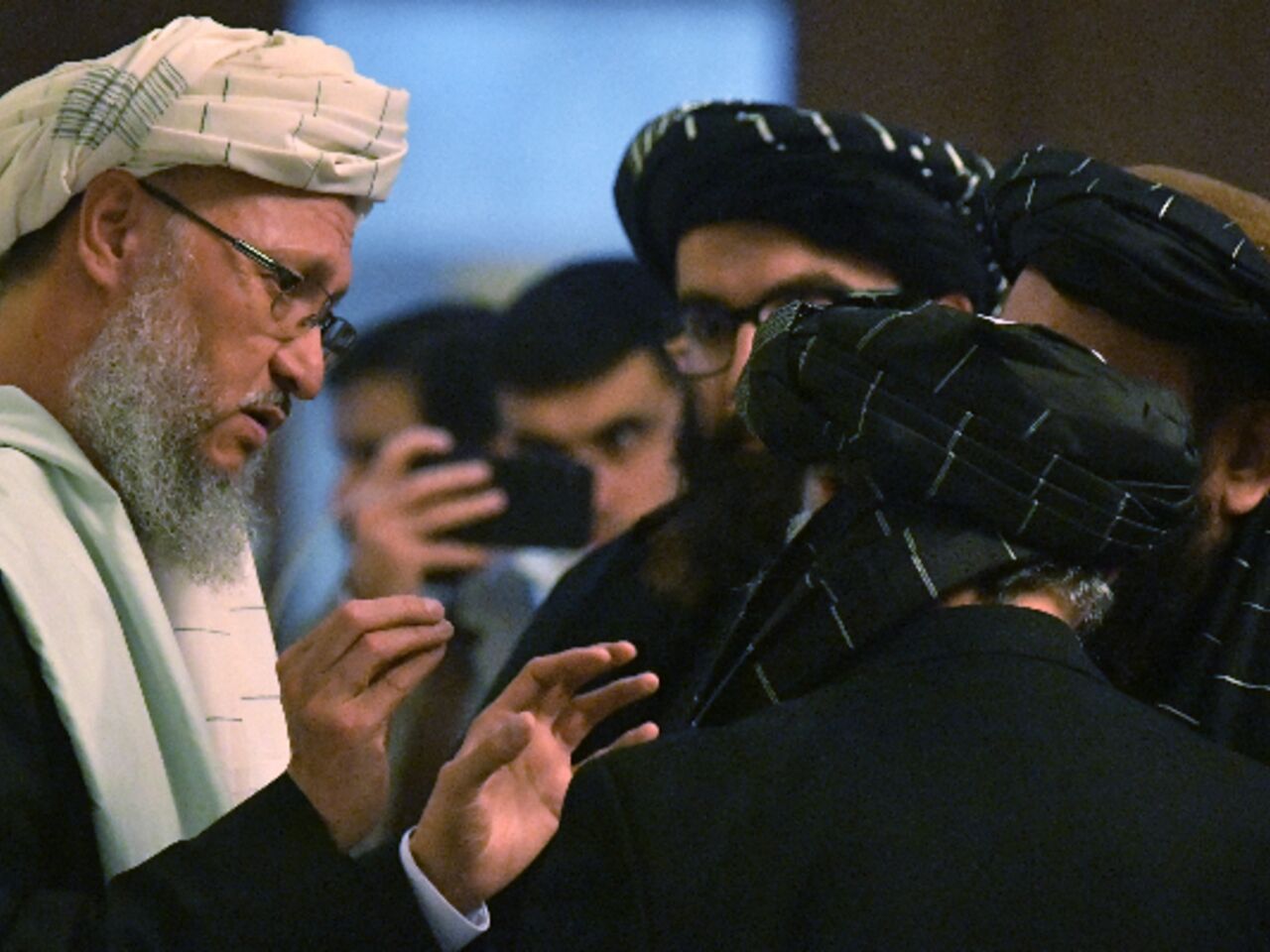
Afghanistan International news agency says a delegation from Afghanistan, led by the Taliban's Minister of Foreign Affairs Amir Khan Muttaqi, has been invited to this meeting. He was reportedly invited to the meeting in Doha by UN Deputy Secretary-General Rosemary DiCarlo. She met with Taliban representatives in Kabul on May 18-21.
During the meetings with the UN Deputy Secretary-General, the Afghan side emphasized that “any strategy for international interaction with Afghanistan must consider the humanitarian, developmental, and economic problems facing Afghanistan.”
Meanwhile, according to Afghanistan International, a high-ranking Taliban representative, Mohammad Abdul Kabir, stated that the participation of the Afghan delegation in the third meeting in Doha depends on “the recognition of the Taliban's status.”
The previous meeting of countries on Afghanistan was also held in Doha in February of this year. As Hasht-e Subh Daily reported, the Taliban refused to participate in it.
At that time, the Taliban set two conditions for their participation in the Qatar meeting: 1) the Taliban delegation must be the sole representative of Afghanistan at the forum; and 2) UN Secretary-General António Guterres must engage in direct negotiations with the movement.
Since the organizers did not agree, the Taliban decided to boycott the conference.
The Taliban also opposed the appointment of a special UN representative for Afghanistan, which was the focus of the second day of the Doha conference.
The meeting itself was held behind closed doors and it was attended by representatives from nearly 20 countries, including Uzbekistan, Tajikistan, Russia, the USA, EU countries, and others. Representatives of Afghan civil society and women were also invited to participate in the conference.
Prior to this, a meeting on Afghanistan under the auspices of the UN was held on May 1, 2023. It later prepared a report and recommendations, which were reviewed at the February meeting.