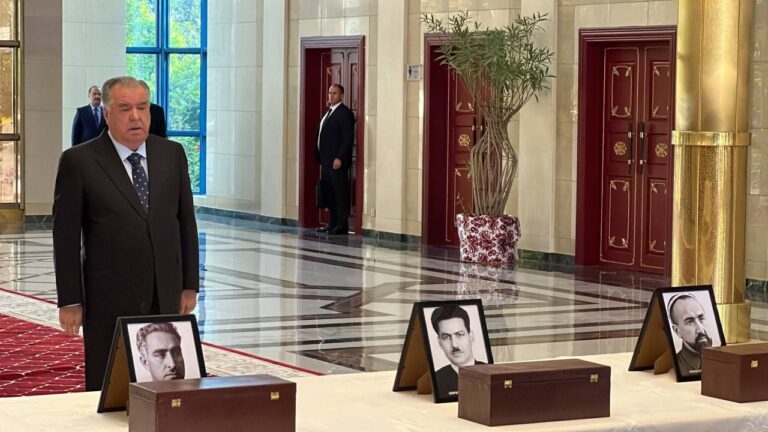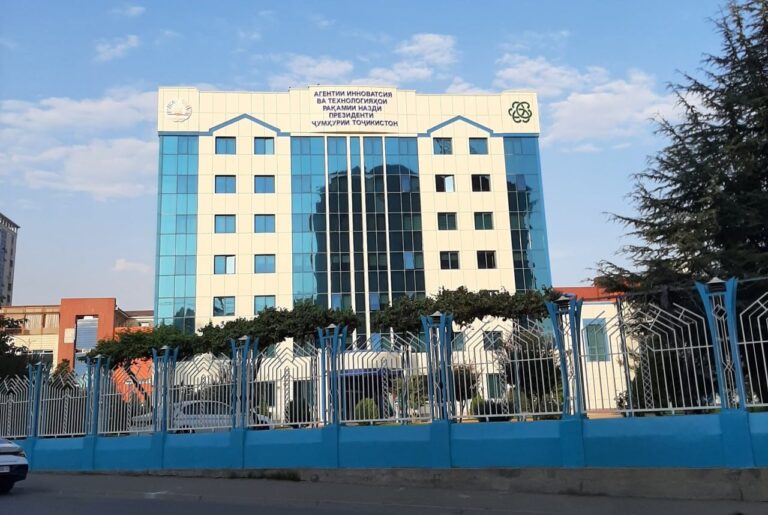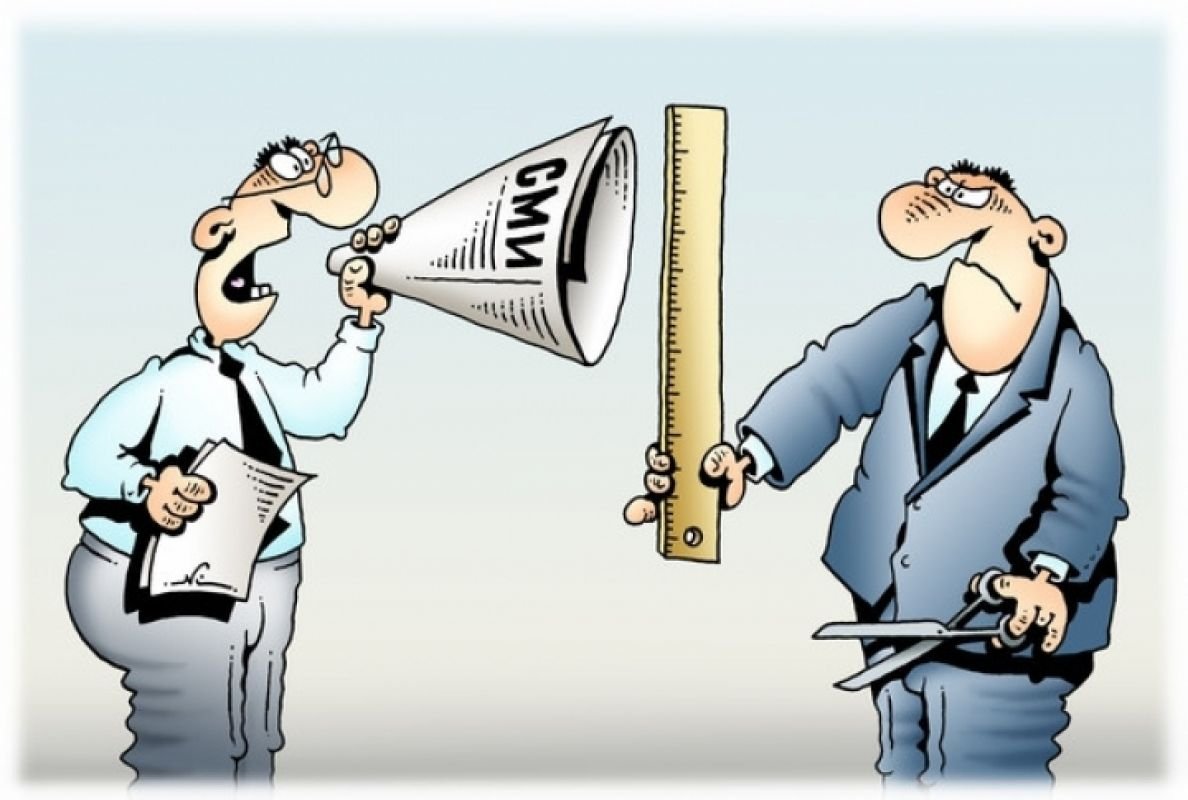
Certain Tajik officials not only ignore public criticism but also show disrespect for the country’s laws. Some are unconcerned with the public's critique and do not respond to questions, even during press conferences. Despite presidential decrees requiring responses to critical articles, they fail to comply.
What does the country’s legislation say?
According to president’s decree No. 622 "On Responding to Critical and Analytical Materials of the Media," state officials are required to respond to critical and analytical articles in the media related to their institutions. There is also a presidential order for government institutions to hold press conferences twice a year, providing information about their activities, with senior officials required to answer journalists' questions.
Additionally, the laws "On Periodical Press and Other Mass Media" and "On Information" grant journalists the right to timely receive and disseminate necessary information permitted by law from government bodies. While these laws provide for penalties for non-compliance, no institution or official has been punished for refusing to provide information to journalists. This may be why some officials ignore criticism, behave rudely towards journalists, and do not respond to their questions or written requests.
Businessman Beg Sabur
Beg Sabur, the head of the communications service agency (the Communications Service under the Government of Tajikistan), is a notable official who disregards criticism. Despite years of critique from journalists, society, and international institutions, he has never responded. As head of the communications agency service, he last attended a press conference in 2012. His statement that a hunter's bullet from Vahdat township had cut a telephone wire causing communications problems in the Gorno Badakhshan Autonomous region (GBAO) was met with bewilderment and criticism. Activists even brought wires to his office in protest.
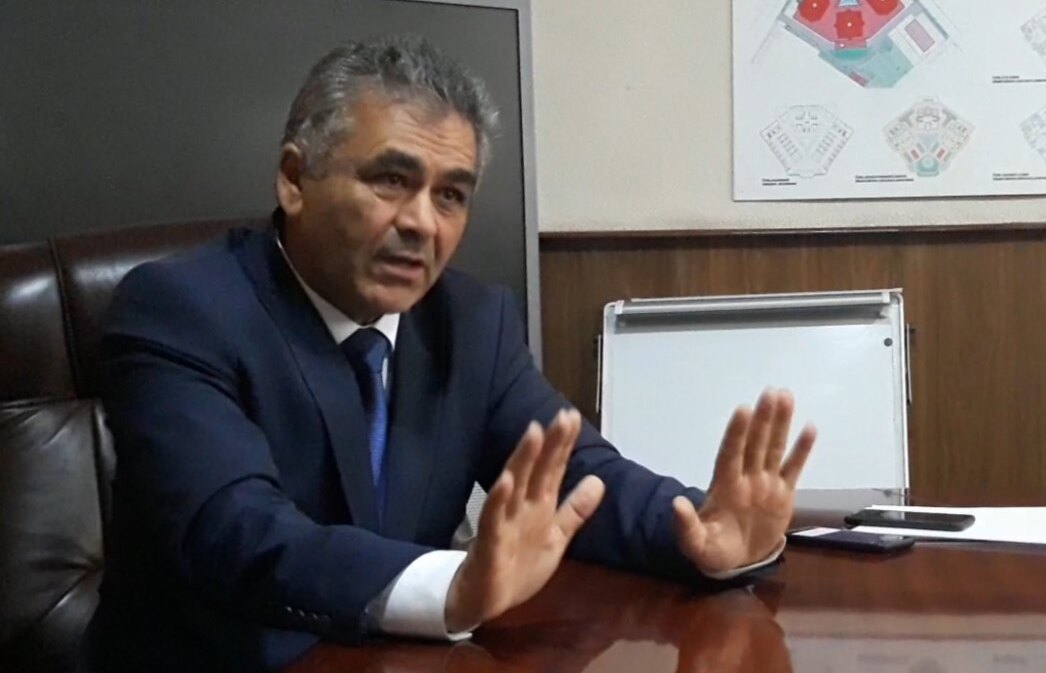
In March 2019, journalist Yaqoub Halimov revealed that Beg Sabur was involved in real estate sales while working as a government official, an illegal activity according to Tajik law. There was no reaction from Sabur or other institutions. The Communications Service is also criticized for the poor quality and high cost of the Internet. Even President Emomali Rahmon criticized the Internet's quality and cost in his 2022 annual address to both chambers of parliament. Despite claims of corrective measures, complaints persist.
The Communications Service recently activated its press department in response to government criticism but remains largely propagandistic. Beg Sabur still skips press conferences, and internet quality and prices have not improved.
Questions instead of answers at the Ministry of Internal Affairs
Minister of Internal Affairs Ramazon Rahimzoda often evades questions, responding with questions or demanding sources. During a recent press conference, he nervously dismissed a question about a list of homosexuals, asking the journalist if their name was on the list.
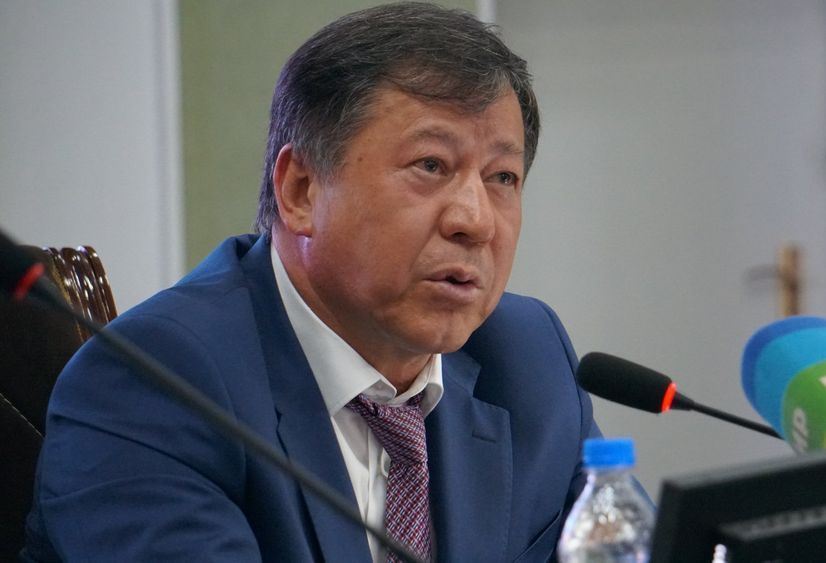
The ministry's press service does not always provide timely information on urgent public matters, requiring written requests and often not responding promptly. For instance, Asia-Plus has not received responses to requests for information on suspects in a terrorist act or on traffic violation fines.
The Prosecutor General’s Office responds slowly
Prosecutor-General Yusuf Rahmon participates in news conferences but often gives incomplete answers or says investigations are ongoing.
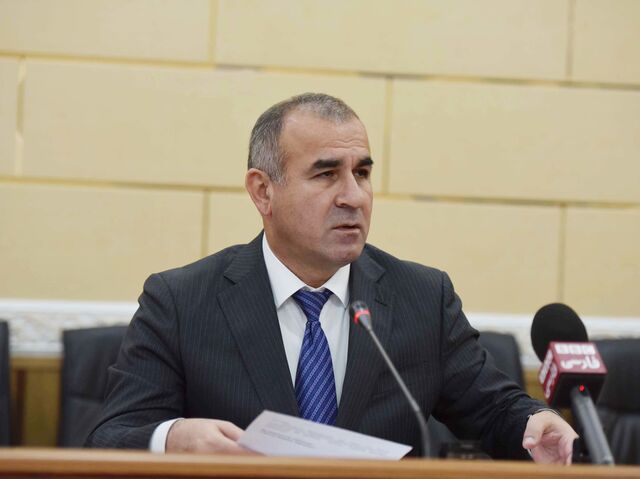
The press center of the Prosecutor-General’s Office is inactive, and written requests often receive late responses, rendering the information outdated.
No official reaction to military recruitment raids
To fulfill conscription campaign, the Tajik authorities sometimes still use military recruitment raids. During two months in spring (April-May) and two months in autumn (October-November), Tajik men of serving age are routinely hauled off streets or taken from their homes and forced into cars by plainclothes law enforcement officers.
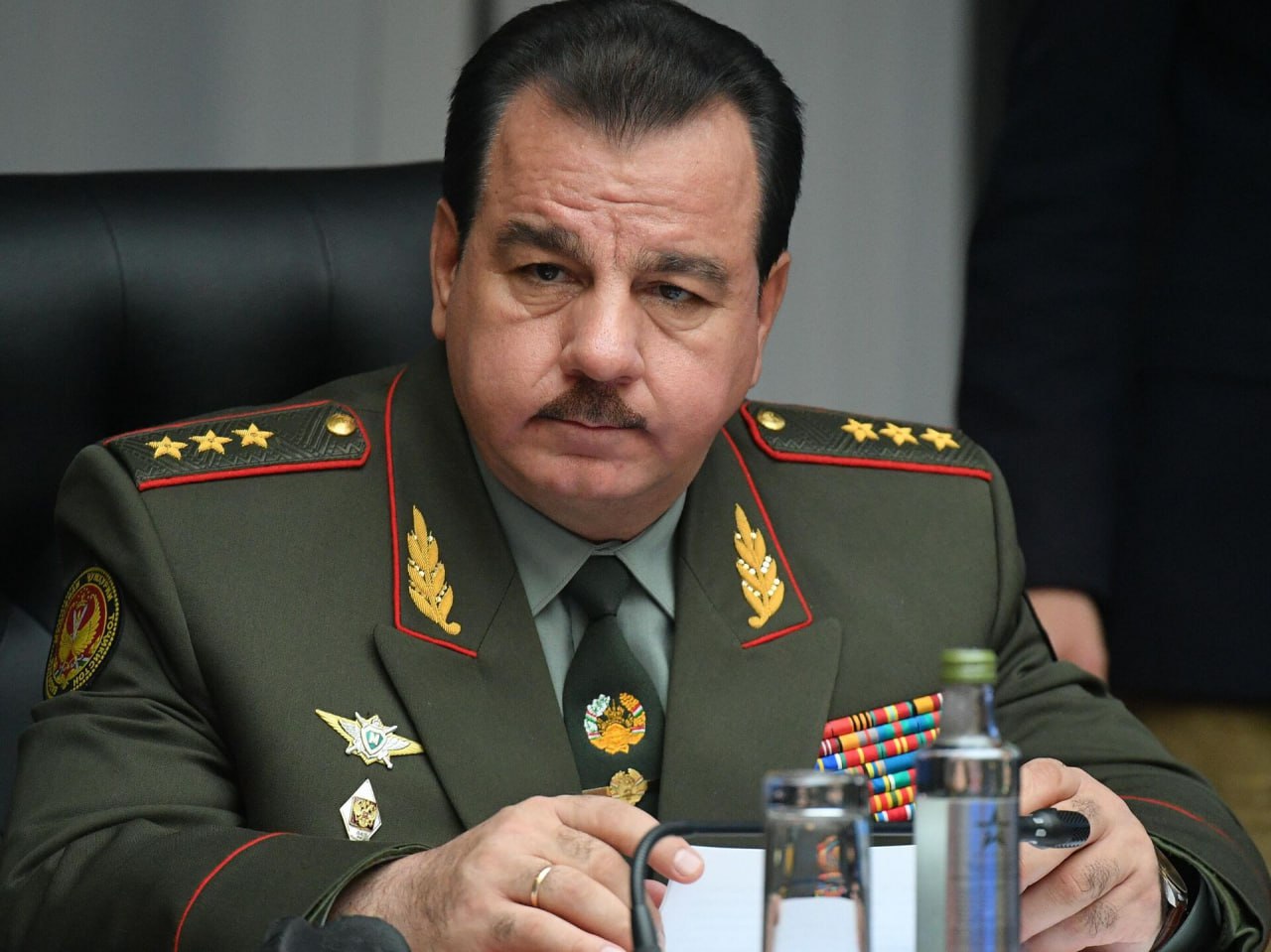
Defense Minister Sherali Mirzo does not respond to criticism about military raids or conditions in military units. The press center is inactive, especially during conscription campaigns when complaints are common.
When subordinates don’t listen to the minister
Minister of Transport Azim Ibrohim has faced difficulties getting his subordinates to respond to journalists' inquiries.
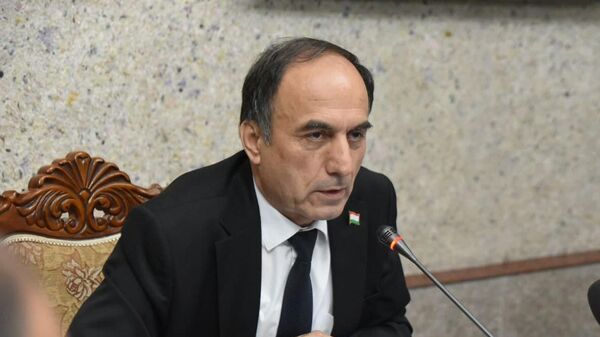
Despite official requests and his direct orders, Asia-Plus has not received information on road construction projects.
The electricity rationing, which relevant government bodies do not admit
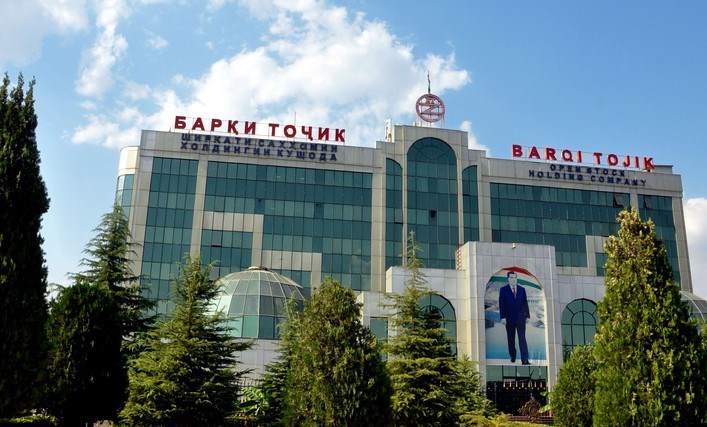
Annual electricity rationing in the rural areas of the country is a systemic problem, with the Ministry of Energy and Barqi Tojik often not providing timely information. Press releases come months late and do not reflect the actual situation.
The GKNB and Border Troops cooperate only with the state-run news agency
The press center of the State Committee for National Security (GKNB) has ceased communications with independent journalists, responding only through the state-run news agency Khovar. The press center of the GKNB Main Border Guard Directorate, which was active a few years ago, now does not answer questions of journalists.
The Tajik Embassy in Moscow always ready to give noncommittal response
The Tajik Embassy in Moscow often gives noncommittal response on events involving Tajik nationals living and working in the Russian Federation.
Some of these events are widely discussed in society, and in such cases, the first department to which the media turns for comments is the embassy. In all cases, the Embassy responds in the same way in all cases: “The Embassy is aware of the investigation into the incident and is being monitored it.”
Write letters…
Some other institutions respond to journalists but require official letters, with heads often not attending news conferences. For instance, the head of the Committee for Television and Radio-broadcasting limits journalists to one question each at news conferences.
Dushanbe's Administration often does not respond to journalists, with its press center being inaccessible.