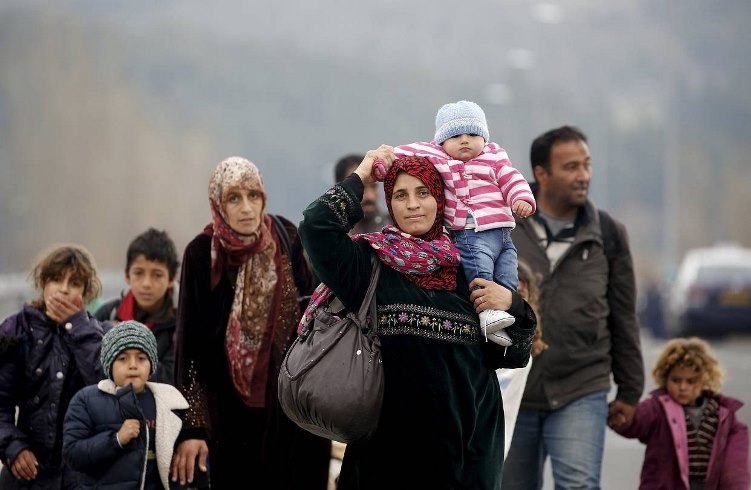
Russia is considering new rules for the entry of families of unemployed migrants.
The Telegram channel Baza says the proposed law would also require migrant children to pass a basic Russian language exam before being admitted to schools. Additionally, the hiring of foreign workers would be managed through a unified “controlled recruitment” system.
Russia’s Security Council has reportedly tasked the Ministry of Internal Affairs and other agencies with studying this issue and presenting proposals on the new migrant law.
The federal project on “controlled recruitment” of migrants has been included in a working version of the national project "Personnel." Under this project, procedures such as medical examinations, fingerprinting, and Russian language proficiency testing could be conducted outside Russia, allowing pre-screened workers to enter the country.
The plan also includes expanding the list of countries from which labor migrants can come to Russia and linking them to specific employers. Migrants would be invited through a “single operator” system.
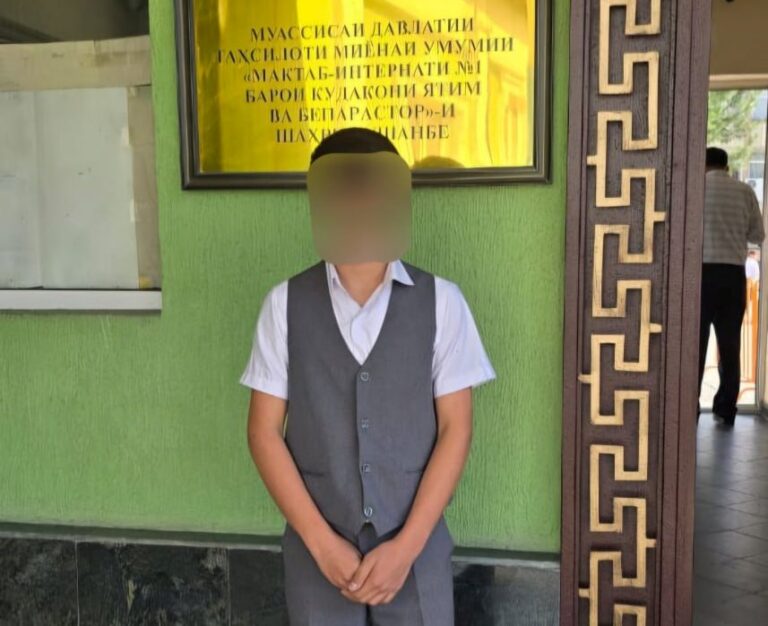
A draft law requiring foreign children to pass a Russian language proficiency test before enrolling in educational institutions has already been submitted to the State Duma. The explanatory note states that to study in school, a student must be proficient in Russian to communicate and absorb the educational program effectively, Baza reports.
Baza notes that the new migration law will follow the principle: one arrived, one departed. Given the high birth rates in Central Asian countries, the number of their citizens entering Russia is expected to remain high in the coming years. Since external migration from CIS countries does not involve restrictive barriers, many labor migrants are already moving with their families.
This trend is causing concern among experts. They argue that if migrants continue to move with their families, it could negatively impact societal stability, increase the risk of everyday violent conflicts based on ethnic or, worse, religious grounds.
Previously, Higher School of Economics experts calculated that to maintain Russia's population, it might need 1.1 million migrants annually.
The tightening of Russia's migration policy began after the terrorist attack on the Crocus City Hall in Krasnogorsk, Moscow oblast on March 22, which killed 145 people, leading to a surge in anti-migrant sentiment in Russian society.
Tajik nationals trying to enter Russia as migrant workers have faced difficulties since 11 Tajik men were arrested in March and April for their alleged involvement in that attack.
Hundreds of Tajik citizens arriving at Moscow’s airports have been deported after having been left stranded without appropriate conditions.
Tajik nationals who were deported or denied entry to Russia described it as a financial blow to their families.