The State Service for Supervision and Regulation of the Transport Sector (Service) under the Ministry of Transport of Tajikistan has tightened control over the movement of heavy vehicles, says the press center of the Ministry of Transport of Tajikistan.
The press center highlights that Tajikistan's highways are annually rehabilitated and brought up to international standards with the help of both domestic and foreign investments. The Ministry Transport notes that the government adopted and improved regulations ensuring the rational and effective use of these roads and mandating that all road users comply with the established norms.
The press center says the country’s Road Transport Code has been amended to hold shippers and consignees administratively accountable for failing to comply with loading norms on road transport.
Consequently, the Service has officially requested the Ministry of Industry to ensure adherence to these loading norms.
The Service has set up working mobile groups deployed to cement plants, coal mines, sand and gravel processing quarries, and other production enterprises to explain the importance of complying with the amended requirements.
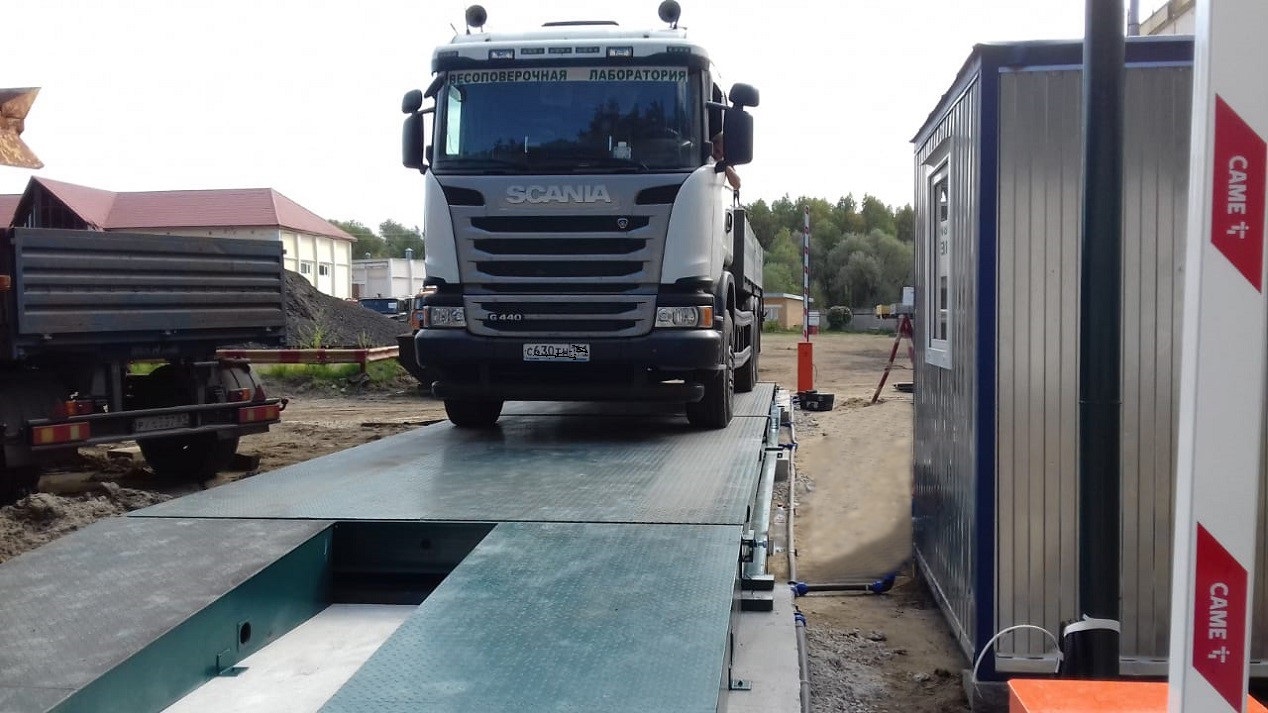
Over the first three months of this year, the working mobile groups has reportedly measured the weight of over 100,000 trucks at weighing points. More than 1,000 violations of rules for transporting oversized and heavy loads were recorded, resulting in fines totaling over 3.4 million somonis, according to the press center.
The Service has issued 35 notifications to production enterprises across the country. Administrative offense protocols have been drawn up for non-compliance with loading norms at quarries in the Vahdat, Hisor, and Kulob districts, with fines imposed on responsible officials.
On July 1, the Minister of Transport Azim Ibrohim, during a control meeting, instructed the take decisive and practical measures to regulate the movement of heavy vehicles on roads, with weekly reporting. The minister emphasized that the movement of heavy vehicles carrying more than 40 tons of cargo is prohibited in the country.
Equipped with stationary, dynamic, and mobile scales capable of determining the size and weight of trucks at high speeds, up to 100-120 km/h, 30 weighing points now operate along the roads in the country. Additional weighing units will soon be installed at various locations, including two entry points to Dushanbe and at the “Nurek" and "Guliston" freight points in the Kulob region of Khatlon province and at the “Qizil-Qala” freight point in the Bokhtar region of Khatlon province, adjacent to highways.
The primary goal of enhancing oversight over the weight and size of vehicles is to ensure traffic safety and maintain roads in good condition. The Ministry of Transport aims to preserve the infrastructure and enhance the efficiency of transportation operations within the country, the Transport Ministry press center adds.