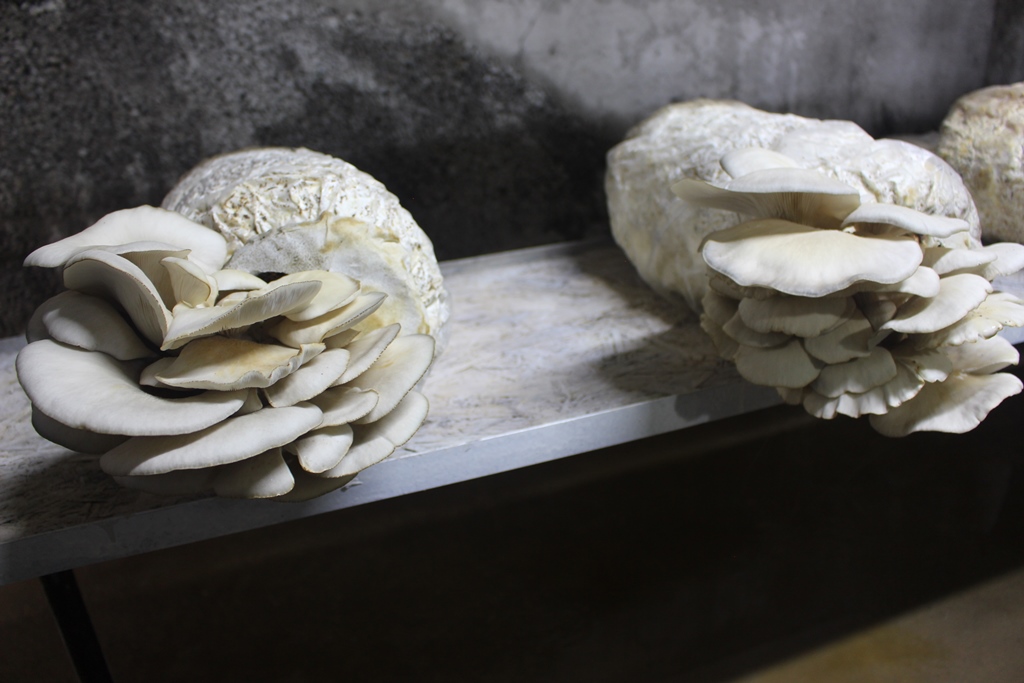
In Kulob, a group of women have come together to start a mushroom-growing business. Their first harvest has shown that this venture can be quite profitable. They began in April and by June had sold their first batch of oyster mushrooms, earning more than 10,000 somonis. This is just the beginning of a promising enterprise.
Before starting their business, these local women had only heard of mushrooms and had never eaten them. In Tajikistan, wild mushrooms appear only once a year in the spring and their season is very short. The idea of growing them themselves had never crossed their minds.
Everything started three months ago when representatives from the World Food Programme (WFP) arrived in their village as part of a project to improve school meals. The local School No. 12 was included in this project.
The project's idea is for each school to purchase food for primary school students from local farmers. The children's diet includes vegetables, fruits, legumes, dairy, and meat products—all of which must be natural and fresh.
Almost everyone in the village is engaged in farming and livestock. The school's management signs contracts with them for the supply of products. This cooperation benefits both parties: the school receives fresh local produce, and the farmers gain a steady customer and can sell any surplus at the market.
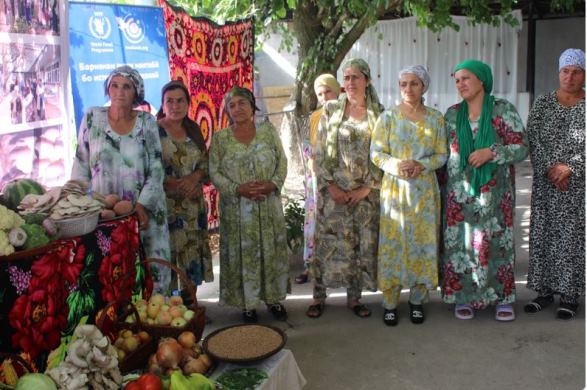
The women of the village of Korezi Bolo were offered the chance to grow mushrooms to diversify the students' diet. A specialist from the Neksigol Mushovir public association to teach them how to cultivate oyster mushrooms.
Neksigol Mushovir is a public organization promoting innovative agricultural technologies in Tajikistan. It provides training and consultation on production, management, and marketing of agricultural products to farmers. The World Food Programme promotes its project through this organization.
Worldwide, only a few types of mushrooms are grown industrially, with champignons and oyster mushrooms being the most common. The technology for growing champignons is more complex, making oyster mushrooms a better choice for beginners.
The process of growing oyster mushrooms includes preparing the substrate — straw is loaded into a metal barrel, mixed with water and the necessary amount of lime, and heated to 80 degrees Celsius; after cooling, the substrate is placed in polyethylene bags and inoculated with mycelium (mushroom seeds) — mycelium, which costs 50 somonis per jar and is enough for five bags, is added to the substrate; the bags undergo an incubation period in a special room, which can last up to 25 days.
The readiness of the mycelium is indicated by it turning white.
The bags are moved to a damp and dim basement with controlled temperature and ventilation.
During summer, the room is humidified several times a day, and the bags are watered.
Within a week, fruiting bodies appear and are harvested by hand.
Each bag can yield up to 2 kg of mushrooms over four harvests, with a 100-bag setup producing 200 kg of mushrooms in a month.
Increasing the number of bags to 500 could yield a ton of mushrooms in two months, with a market price of at least 30 somonis per kilogram. After four harvests, the used substrate can be recycled as organic fertilizer, improving soil quality for other crops.
Besides mushrooms, the women have also started growing broccoli, which is also profitable, selling for over 20 somonis per kilogram at the market.
This initiative not only provides a steady income for the women but also enriches the local school meals with nutritious, locally grown produce, showcasing a successful model of community-based agricultural entrepreneurship.