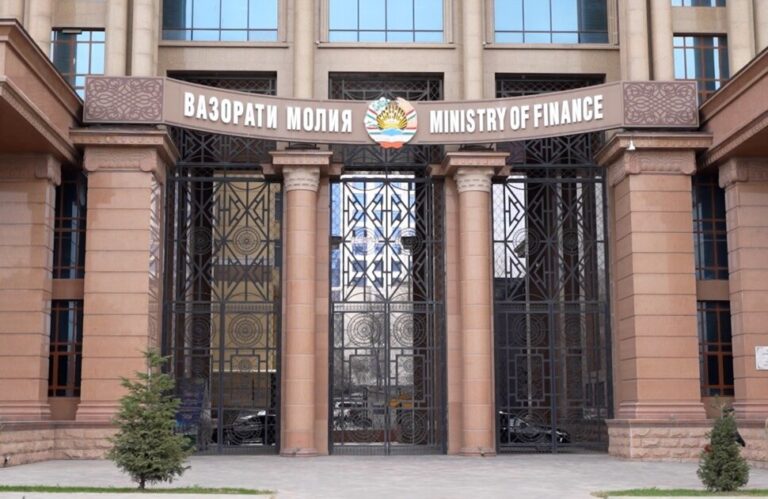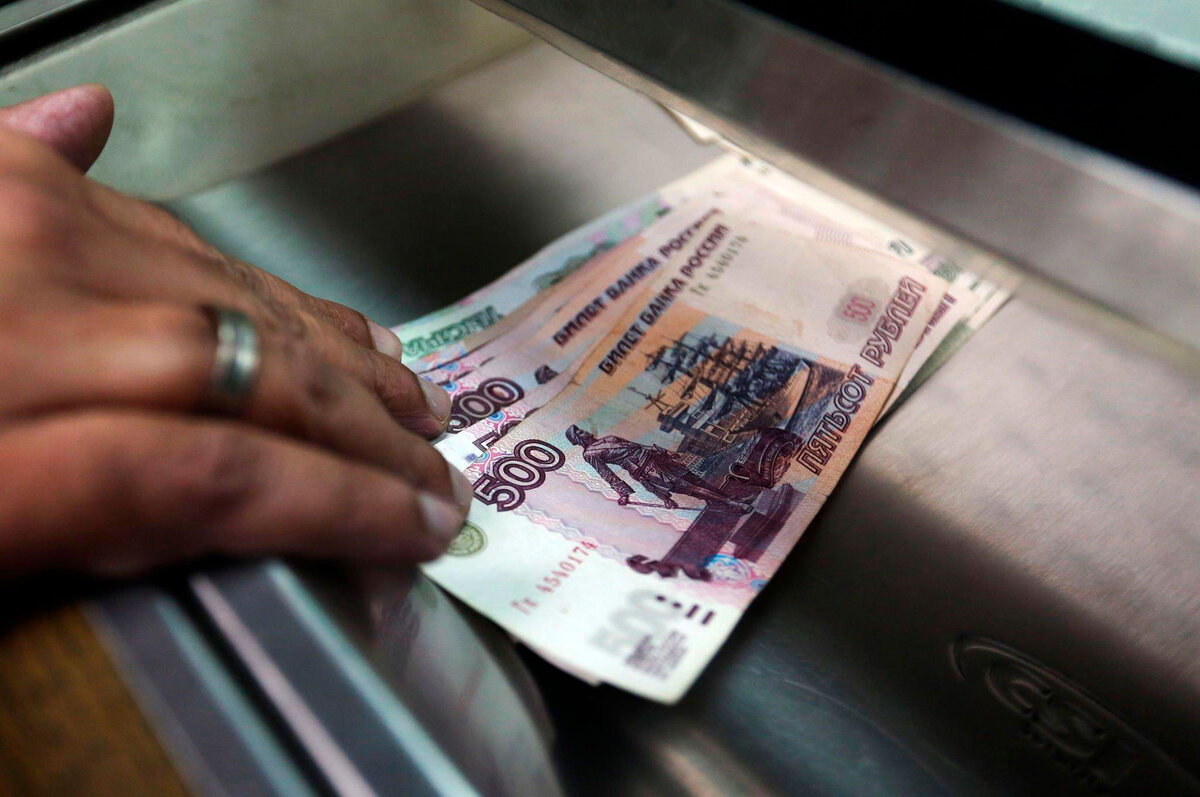
A report by the World Bank says sanctions on Tajikistan's main trade partner, Russia, along with global agricultural disruptions, have raised world food prices. With Russia making up about 30 percent of Tajikistan's imports and total imports constituting around 50 percent of gross domestic product, potential price hikes due to sanctions and reduced remittances amid Russia's economic slowdown may lead to exchange rate volatility, ultimately impacting inflation in Tajikistan.
“Tajikistan Economic Update: Focusing on the Footprint of State-Owned Enterprises and Competitive Neutrality, Summer 2024” notes that according to official figures, the national poverty headcount rate fell from 22.5 percent in 2022 to 21.2 percent in 2023. Income from migrant remittances and domestic real wages is considered to have played a significant role in reducing poverty in Tajikistan. Urban as well as rural poverty rates have been gradually declining, with rural poverty standing at around 23.9 percent and urban poverty at around 9.6 percent as of 2023, with nearly 90 percent of the poor living in rural areas in 2023.
Poverty, based on household budget survey data and under the international line for the lower middle-income country (US$3.65 in 2017 purchasing power parity), is estimated to have declined from 14.4 percent in 2022 to 13.5 percent in 2023.
The scarcity of job opportunities and low wages continue to drive ongoing labor migration. Wages that Tajik’s can earn in Russia are much higher than those domestically. About 42 percent of households IN Tajikistan had a migrant member, and the share of households receiving remittances rose marginally, from 17 percent in 2022 to 18 percent in 2023.
The report notes that despite the country's economy demonstrating resilience thus far, a potential escalation of the situation in Russia’s invasion of Ukraine and the imposition of secondary sanctions that could weaken the Russian economy pose notable risks to the outlook. Furthermore, Russia's tightening of migration policies, observed after the deadly 2024 Moscow attack, may disrupt labor migration patterns from Tajikistan, resulting in a sharper reduction in remittances and exerting downward pressure on economic growth and poverty.