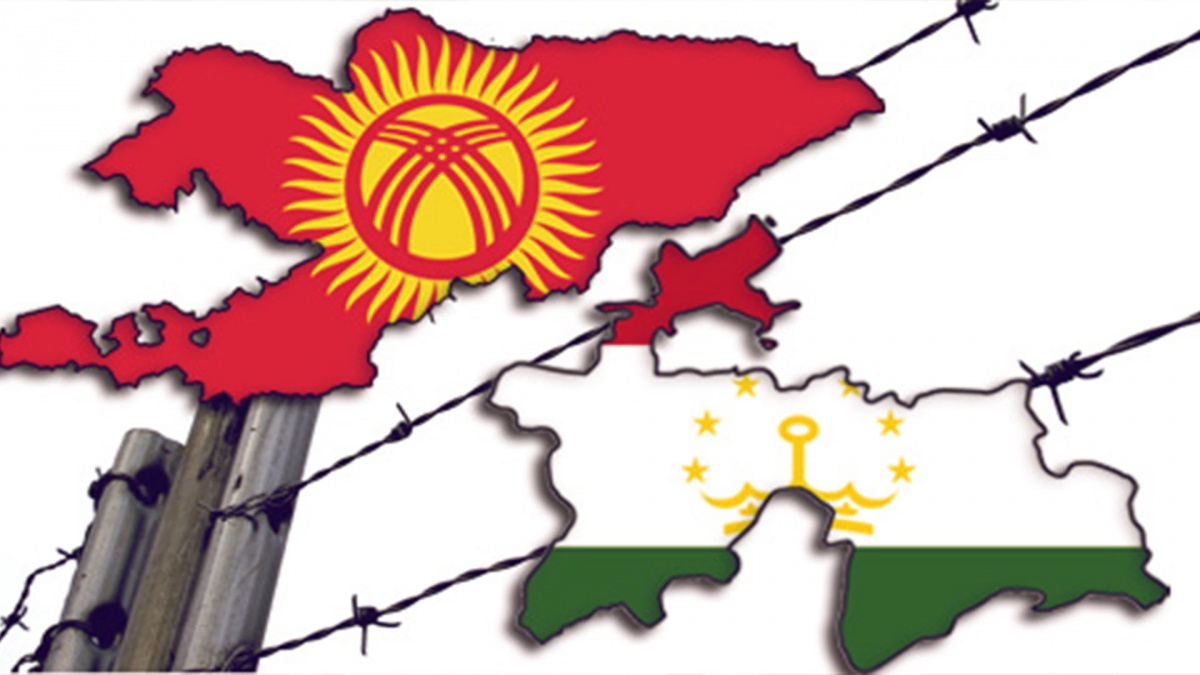
Tajikistan and Kyrgyzstan have inched further forward to a final settlement to end decades of acrimonious disputes by agreeing on the delimitation of 94 percent of previously contested territory.
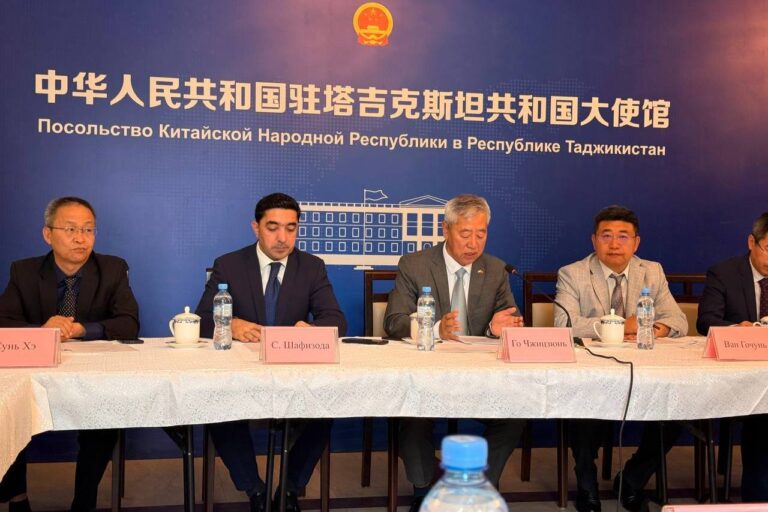
In a report released at a news conference in Khujand, the capital of Sughd province, Sughd governor Rajabboy Ahmadzoda noted on July 26 that Tajikistan and Kyrgyzstan have agreed upon of 94 percent of previously contested territory.
“We believe that everything will be resolved positively in the near future everything will be resolved positively and the Tajik-Kyrgyz border will reopen soon,” Ahmadzoda stated.
“Representatives of Tajikistan and Kyrgyzstan visited disputed stretches of mutual border in Chorkuh and Vorukh on July 21-24. The commission is working actively and God willing, the documents will be signed in the coming months,” the Sughd governor said, adding that the next meeting of the commission will take place in the Kyrgyz city of Batken from August 11-17.
As it had been reported earlier, the countries have agreed upon Tajikistan and Kyrgyzstan have reportedly agreed on more than 90 percent of the mutual border by early February this year.
The long-standing border dispute between Tajikistan and Kyrgyzstan has poisoned relations between the two Central Asian nations since the dissolution of the Soviet Union, leading to frequent clashes along the common border in recent years.
It is to be noted that many border areas in Central Asia have been disputed since the collapse of the Soviet Union in 1991. The situation is particularly complicated near the numerous exclaves in the Fergana Valley, where the borders of Tajikistan, Uzbekistan, and Kyrgyzstan meet.
The border of Kyrgyzstan and Tajikistan has been the scene of unrest repeatedly since the collapse of the former Soviet Union. Border talks between Tajikistan and Kyrgyzstan began in 2002. The countries share 972 kilometers of border and unresolved border issues have led to tensions for the past 30 years.
Tensions between Tajikistan and Kyrgyzstan have remained high until recently, owing to a border dispute, as well as other issues involving irrigation, smuggling, and illegal border crossings.
This dispute has led to clashes between the two countries. Kyrgyzstan unilaterally closed the border with Tajikistan in spring 2021 after an armed conflict along a disputed segment of the border left 36 Kyrgyz nationals, including two children.
During fierce armed confrontations, a lot of schools, mosques were destroyed in addition to the houses of civilians; administrative buildings were also attacked by fire.
When the border closed, official trade turnover plummeted to nothing. Smugglers continued to ply their wares across the border, however.