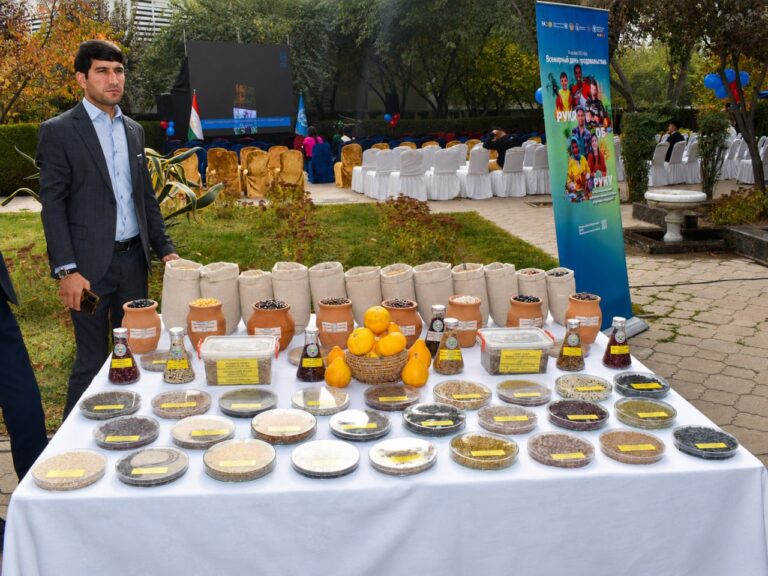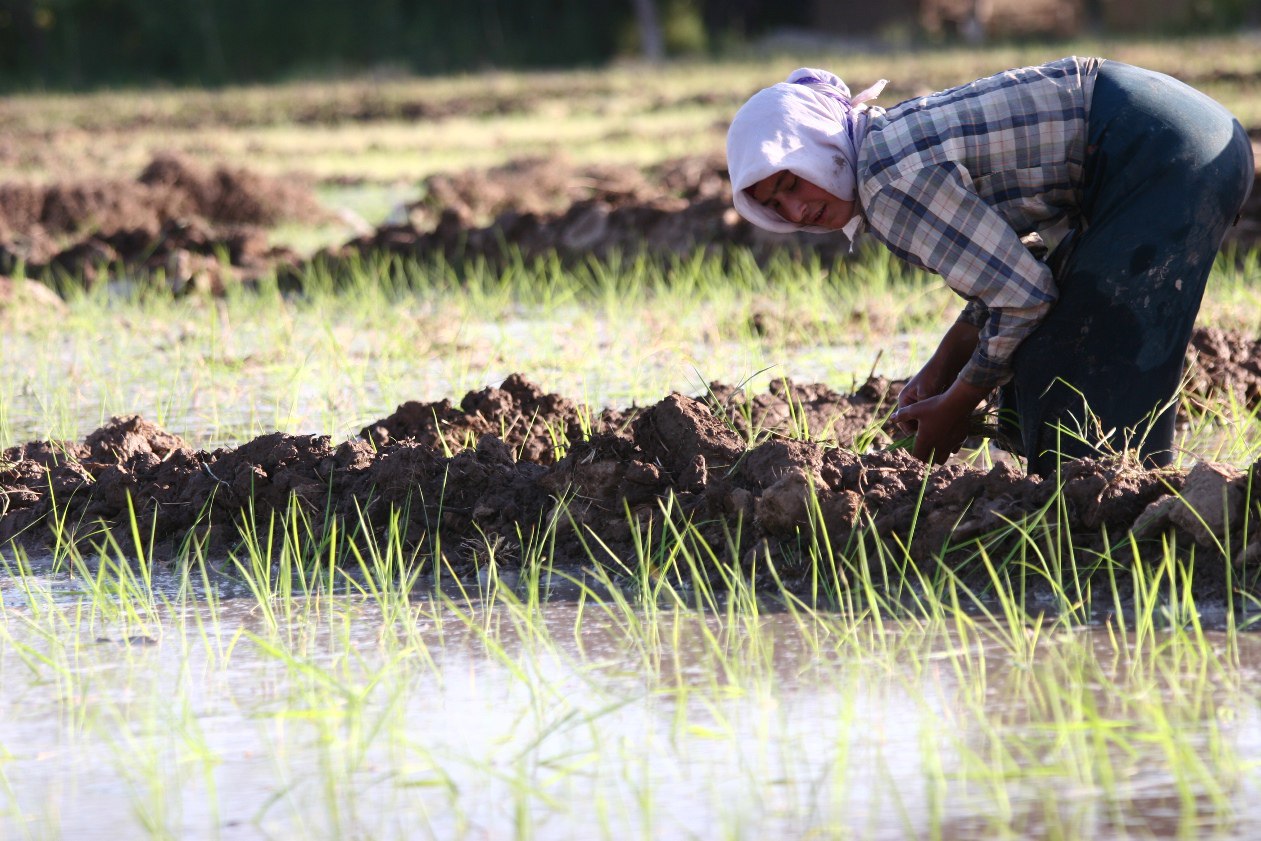
In Tajikistan, food security will deteriorate. The level of supply of the population with basic types of products may decrease from 56.7% to 53% in the period up to 2035. According to experts, climate change in Tajikistan will lead to a decrease in the average yield of cereals by 15 percent, and vegetables and fruits by 9-11 percent over the next years.
According to the forecasts of the Eurasian Development Bank (EDB), in the long term until 2035, food security in some Central Asian countries may deteriorate under the influence of certain constraining factors and characteristics of the region.
The development of agriculture in Central Asia will be constrained by the limited potential for the introduction of new lands, a shortage of water resources, and the restrained dynamics of technological progress. At the same time, high demographic growth will put ever–increasing pressure on agriculture and the state of food security.
By 2035, only Kazakhstan will be able to ensure food independence in the region. The country will be able to increase food security to 127-143% in terms of the energy value of agricultural products and strengthen its position as a net exporter of food products.
Kyrgyzstan (76-89%) and Uzbekistan (69-83%), subject to the implementation of national programs, will be able to achieve some improvement. In Tajikistan, food security will deteriorate (53%).
In Tajikistan, the level of self-sufficiency in basic products such as grain, meat, sugar and vegetable oil is low compared to their consumption. According to EDB forecasts, consumption is expected to increase in Tajikistan in the next 10 years.
In this regard, Tajik President Emomali Rahmon stressed in early 2024 that the increase in demand for food products has become one of the urgent problems of our time.
"In recent years, I have always stressed that every family in the country should have food supplies for up to two years," he said.
According to the EDB, an imbalance in the diet of basic nutrients persists in Tajikistan – cheaper products of plant origin prevail.
The average per capita consumption remains below the standards adopted in the countries of the Eurasian region, in particular, for dairy and meat products, fruits and berries, potatoes, vegetable oil.
Tajikistan, despite the progress made in terms of achieving food security, remains dependent on food imports, and is a net importer of food products.