
Tajikistan was allowed to import 2,522 vehicles manufactured before 2013. These cars were stuck at the country's customs posts after Tajikistan banned the import of such cars in October 2023.
The authorities called them “old” and asked the merchants to either take them to another country, or convert them into spare parts and then sell them.
According to a document that was at the disposal of Radio “Ozodi”, on September 2, the President of Tajikistan, in response to an appeal from the Customs Service, ordered the detained cars to be issued.
The Customs Service sent this letter to the Government in June this year. In particular, it stated that “despite the measures taken, from October 2023 to the present, 2,522 vehicles produced before 2013 have entered the customs zone of the republic. These cars are placed in temporary storage warehouses”.
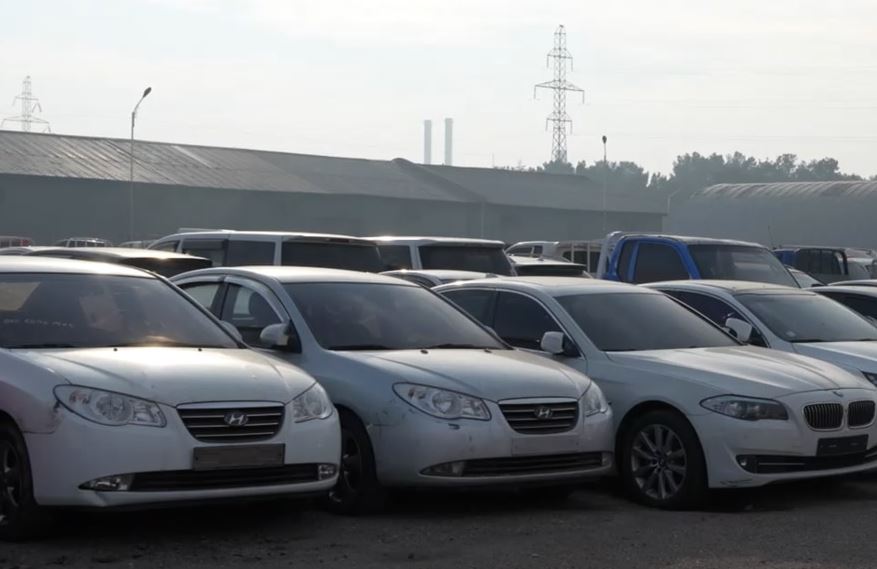
An employee of the customs department of Sughd region confirmed this information to “Ozodi” on September 3.
On condition of anonymity, he said that according to the document, “all vehicles manufactured before 2013 that are in warehouses are allowed to pay customs duty and drive through”. “The paperwork process is underway now,” – he said.
At the same time, the radio interlocutor clarified that this “amnesty” applies only to cars that are “stuck in warehouses and customs posts”.
“The import of such vehicles into the territory of Tajikistan is still prohibited,” – he added.
Some businessmen, who had previously expressed concern that they could not get their cars, also received messages about the “amnesty”.
The Tajik authorities explained the ban on the import of “old” cars by protecting the environment and reducing harmful emissions into the air.
In August of this year, some merchants told “Ozodi” that they had purchased cars before the ban came out, but were unable to deliver them to Tajikistan on time.
They said that they had brought cars from abroad for the purpose of selling, but now they suffer losses every day: they pay for the downtime of cars at customs posts every month.
Cars produced before 2013 are much cheaper compared to the “new” ones. Their price ranges from 35 to 100 thousand somoni ($3,000-$9,000). Cars produced after 2014 are more expensive – from 150,000 somoni ($13,000) and above.