The Committee for Public Utilities (Kumitai Khojagii Manziliyu Kommunali) has been established in Tajikistan to manage and regulate the housing and utilities sector.
This decision was formalized by a decree signed by President Emomali Rahmon, and the Committee will be responsible for implementing state policy in this field.
Role and responsibilities
The newly formed Committee, headed by Usmon Davlatzoda, the former director of the State Unitary Enterprise (SUE) Khojagii Manziliyu Kommunali (KMK – the state holding company for public utilities), will serve as the central executive authority in the sphere of housing and communal services. The Committee’s main function is to coordinate and oversee all communal enterprises across the country, regardless of their ownership status. It will also unify existing communal service structures into one system, facilitating the management and control of activities in this sector.
Key areas of focus:
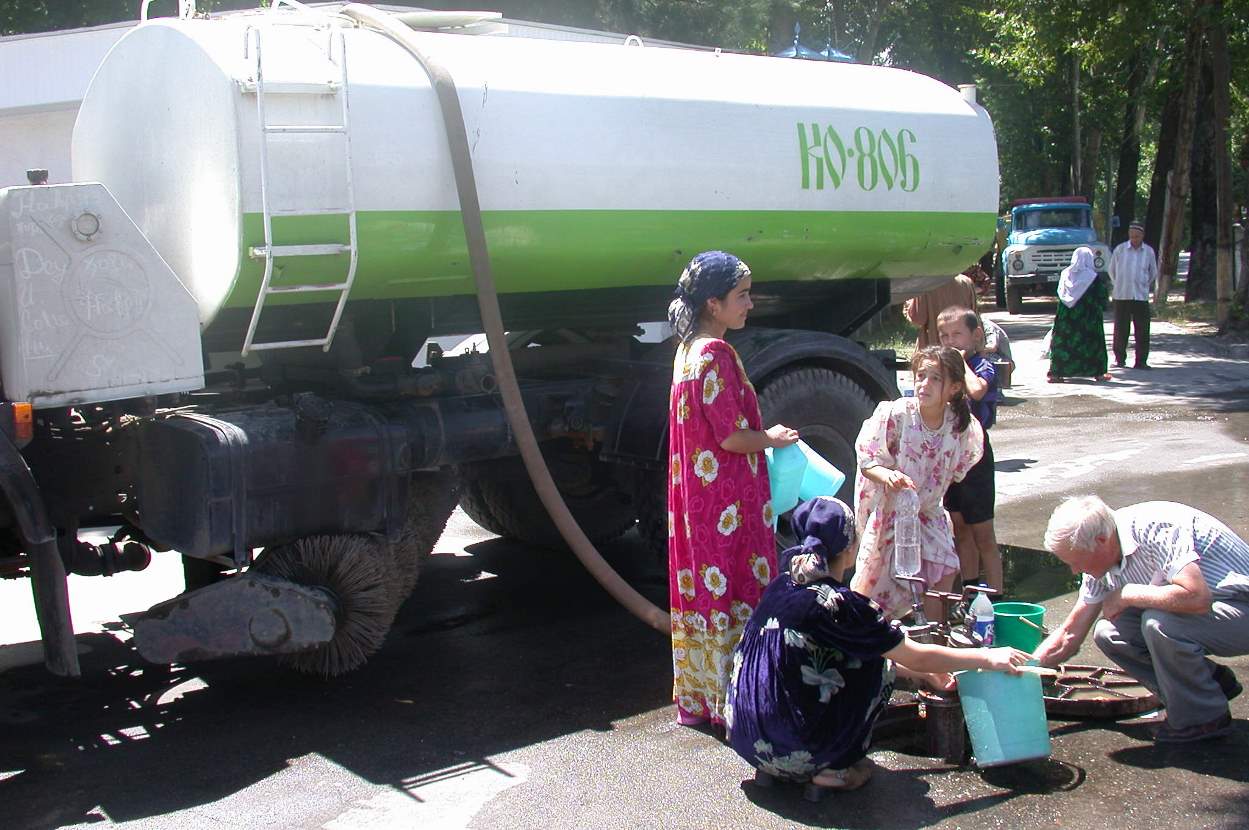
Water Supply: A major challenge is the lack of centralized drinking water systems in many districts, with over 25% of existing water supply networks having deteriorated beyond use.
Infrastructure Development: When land is allocated for housing, necessary utilities like water, electricity, sewage, and roads are often not installed in advance, which hinders proper urban planning.
Waste Management: The country faces significant issues with waste disposal. Tajikistan has 73 landfills that do not meet sanitary and environmental standards, and there is no established recycling system for plastics, metals, electronics, and hazardous waste.
Sewage Systems: Only three cities have functioning sewage systems, while others either lack them or have outdated, non-functional systems.
Housing Infrastructure: Much of the infrastructure in the housing sector is in a dilapidated state due to long-term exploitation. There is also a shortage of investment, both domestic and foreign, to repair buildings and utilities.
Heating Systems: The central heating systems introduced between 1960 and 1980 are outdated and need complete modernization. Most regions outside of select areas in Dushanbe lack access to centralized heating and hot water.
Purpose of the new Committee:
The establishment of this Committee aligns with the 2021-2024 National Housing and Communal Services Development Program, which aims to reform and improve the management structure of the sector. The Committee will play a key role in addressing existing problems, such as water shortages, the absence of waste treatment facilities, and deteriorating public infrastructure. Additionally, it will work on implementing the national development strategy for housing and communal services until 2025 and will continue to develop future plans to enhance service delivery across the country.