Starting from January 1, 2025, the amount of targeted social assistance in Tajikistan will be increased by one calculating indicator (estimate). Given the current calculating indicator value, the amount will rise from 720.00 to 792.00 somonis.
The government of Tajikistan has adopted a new resolution titled "On the Procedure for Assigning Targeted Social Assistance, Determining its Size, and Identifying Low-Income Citizens (Families)." The text of this resolution has been published on the website of the government’s mouthpiece Jumhuriyat.
According to the document, the amount of targeted social assistance for low-income families and citizens will increase to 11 calculating indicators (currently one calculating indicator equals to 72.00 somonis) starting from January 1 of the next year, instead of the current 10 calculating indicators. This sum is distributed throughout the year in installments of 25% each quarter.
Additionally, the government will annually pay a sum equal to two calculating indicators (144.00 somonis) per child under the age of 16 for low-income families with two or more disabled members, elderly individuals over 80 who are not in care homes or social service institutions.
Each family recognized as low-income will receive an additional sum of one calculating indicator (72.00 somonis) per child. Starting from September 1, 2024, an additional one calculating indicator (72.00 somonis) will be paid for each child, and low-income families with two or more disabled members not covered by social service institutions or boarding schools will receive two calculating indicators (144.00 somonis).
It is worth noting that the resolution includes a new section on the identification of low-income citizens (families), which was not previously present.
Who is eligible for social assistance?
Targeted social assistance is provided to families and citizens who have permanent residence in Tajikistan and are recognized as low-income based on an assessment of their financial and living conditions, as well as their level of well-being.
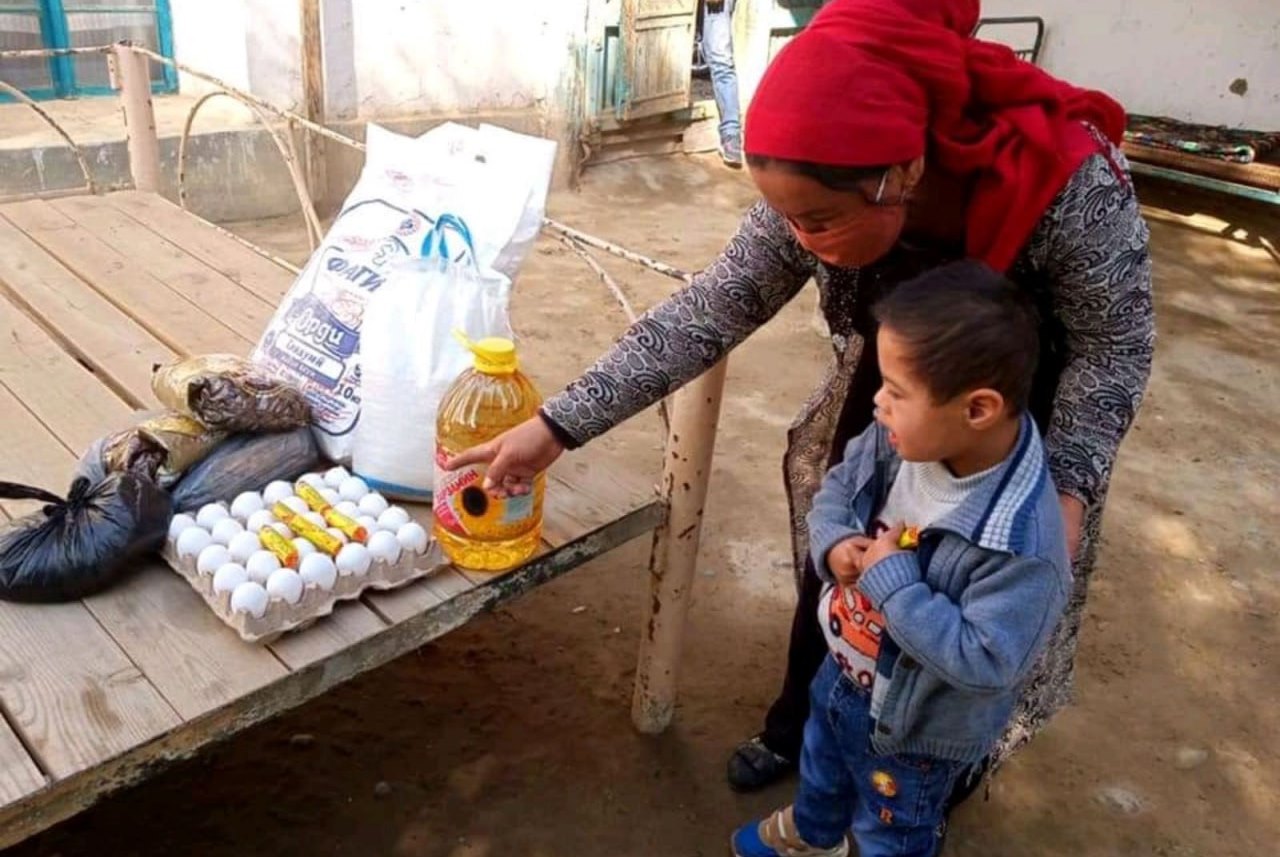
The assistance is intended to cover expenses for electricity and natural gas, and to ensure that children from such families have access to healthy nutrition, education, and vocational training.
To receive targeted social assistance, the following criteria are considered: family composition; social status and educational level of the family head; the number of disabled individuals, minors, elderly individuals over 80, and other non-working family members; income, property, place of residence, land plots near the household, and other family-owned land as well as the number and types of livestock and other indicators.
According to the Ministry of Finance of Tajikistan, in 2024, 219 million somonis will be allocated to low-income families in the form of social and targeted assistance, which is 65 million somonis more than in 2023. This aid will benefit about 300,000 low-income families.