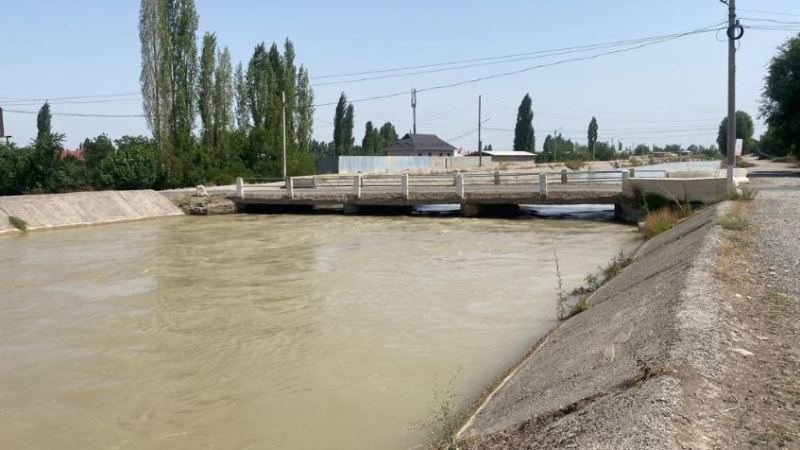
Water resources shared between Kyrgyzstan and Uzbekistan are crucial for the agricultural sectors of both countries. This article from CABAR.asia explores the situation in one of the villages where local residents actively use water from canals that pass through both nations.
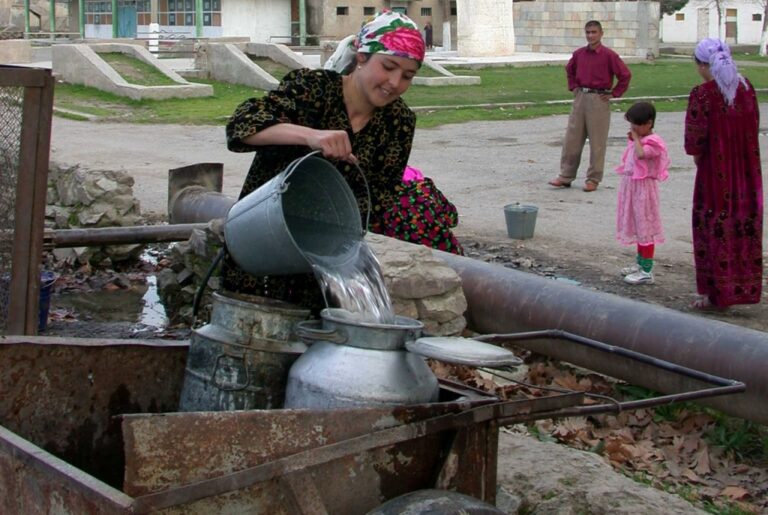
Dobo-Korgon village in Aravan district of Kyrgyzstan's Osh region is one of the hottest places in the country. Most of the local population is engaged in farming, with fieldwork starting as early as February and continuing until late autumn. Water remains their most vital need.
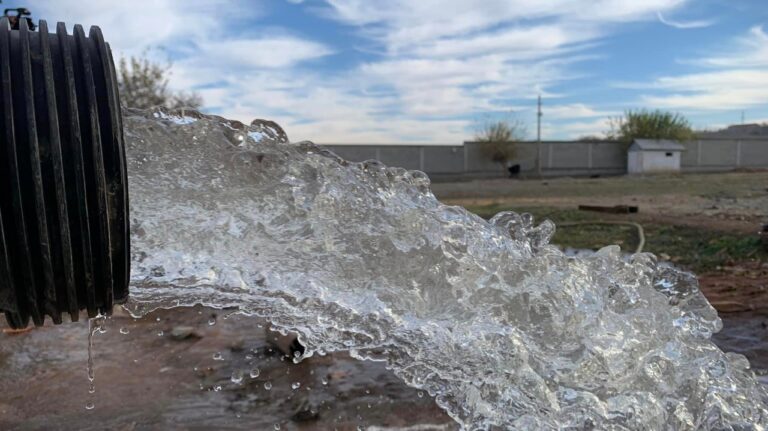
The village is situated on both sides of the Southern Fergana Canal, which allows residents to access water from both countries. This canal runs through the Aravan district and connects Uzbekistan, Kyrgyzstan, and Tajikistan.
In villages along the Southern Fergana Canal, drinking and irrigation water comes from this very source. There is an intergovernmental agreement between Kyrgyzstan and Uzbekistan that regulates the volume and timing of water usage.
"We receive water from two canals — Fergana and Aravansai — and try to ensure that the farmers are provided for. Last year, we received 8 million cubic meters of water from the Fergana Canal, and this year — 10 million. The water management authority signs a contract, and we use the water as we see fit over the course of eight months. Once a year, in mid-August, during the cotton harvest, the water is stopped and the canal dries up, but even during that time, we are provided with the necessary amount of water. We have no issues with getting water from the neighboring country,” says Kochkor Mamasaliyev, head of the "Turk-Ata" Water Users Association in the village of Nurabad.
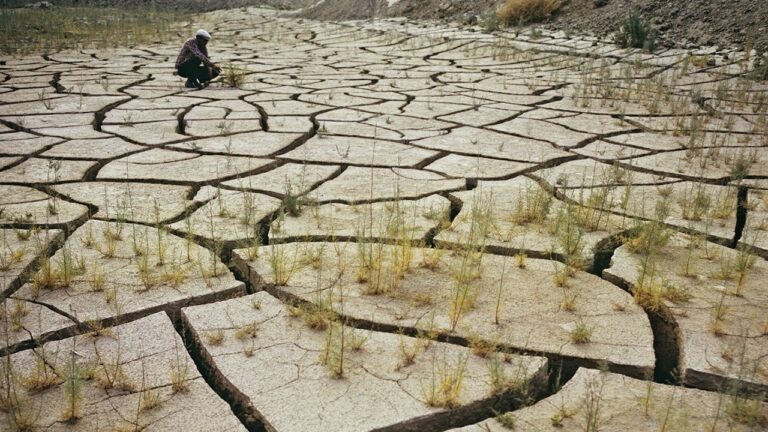
The upper part of the village gets its water from the Aravansai Canal, which is fed by the Papan Reservoir. According to farmers, water shortages occur during mudslides or other emergencies.
Davranbek Shamshidinov, the head of Dobo-Korgon Village Administration, notes that 70% of irrigated lands receive water from the Southern Fergana Canal. To address water shortages in other areas, there are plans to build a pumping station that will store water during the winter months.
Dobo-Korgon is just one example of how water is shared from canals crossing neighboring countries. There are several such villages in Osh region, which borders Uzbekistan’s Andijan and Fergana regions. Multiple rivers and canals flow through both countries, with water intake and distribution regulated based on international agreements.
One such canal is the Savai Canal in Kara-Suu district. This canal originates from the Andijan Reservoir and passes through the villages of Savai and Sarai in the Kara-Suu district. Around 3,000 hectares of land reportedly receive water from this canal. According to international agreements, 45 million cubic meters of water is allocated under a special quota.
Another is the Isfayram Canal, which comes from the Kuvasai district in Uzbekistan's Fergana region. The canal draws water from the Isfayram River and passes through the Kadamjai district in Batken, Kyrgyzstan, before returning to the Too-Moyun area of Aravan district. Over 500 hectares of land in the Intymak Village Administration of Nookat district and the Ak-Bulak Village Administration of Qyzyl-Kiya depend on this canal, irrigating a total of about 1,000 hectares. Occasionally, there are minor issues when water from Kadamjai does not reach Uzbekistan and Osh region, leading to trilateral negotiations to resolve the matter.
Regarding water flowing from Kyrgyzstan to Uzbekistan, an intergovernmental agreement ensures that 18% of the Ak-Buura River’s water is supplied to Uzbekistan. According to the plan, and by special request, water is transferred via the Dostuk Canal, irrigating about 10,000 hectares of land in Uzbekistan’s Jalalkuduk and Khojaabad districts. Uzbekistan begins supplying water to Kyrgyzstan in March, while water from Kyrgyzstan to the neighboring country starts flowing in April, following cleaning and repair work on the canals.