Russia lawmakers offer new measures to combat illegal migration

On October 1, the State Duma (Russia’s lower chamber of parliament) will begin reviewing five legislative initiatives aimed at tightening migration policies, State Duma Speaker Vyacheslav Volodin announced on his Telegram channel at the end of last week. Lawmakers are proposing the following measures:   Recognize the commission of a crime by an illegally residing […]

Asia-Plus

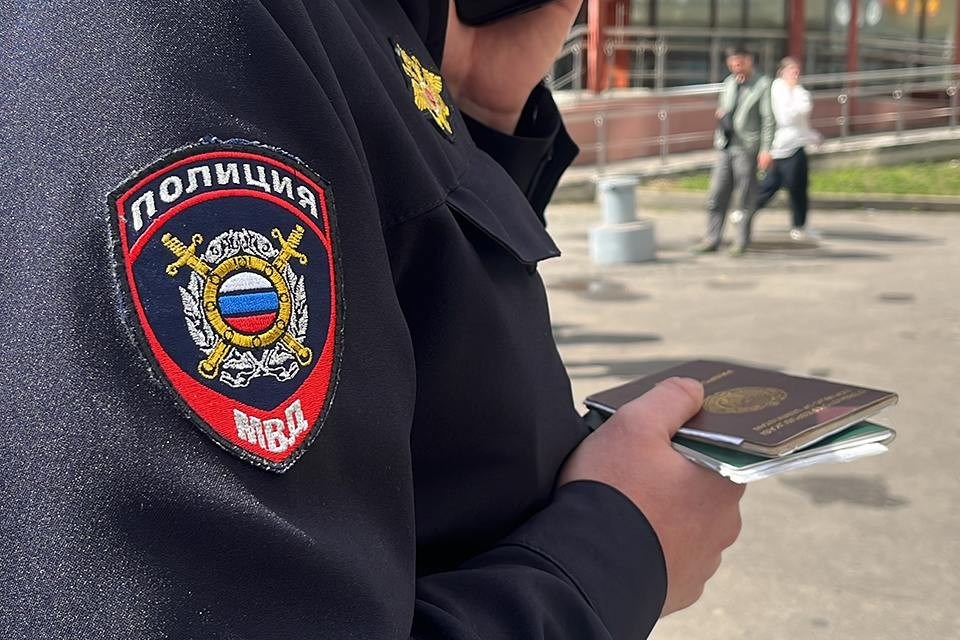
On October 1, the State Duma (Russia’s lower chamber of parliament) will begin reviewing five legislative initiatives aimed at tightening migration policies, State Duma Speaker Vyacheslav Volodin announced on his Telegram channel at the end of last week.

Lawmakers are proposing the following measures:


  • Recognize the commission of a crime by an illegally residing migrant in Russia as an aggravating circumstance for sentencing.
  • Classify the organization of illegal migration by an organized group as a particularly serious crime, with penalties including imprisonment for 8 to 15 years or fines ranging from 3 million to 5 million rubles.
  • Introduce stricter penalties for forging, producing, or circulating fake documents, as well as crimes related to fictitious registration and placement of foreign nationals on record. Penalties will include imprisonment from 2 to 6 years; for legal entities, fines from 5 million rubles to 10 million rubles with confiscation of property (for repeat offenses, fines will range from 10 million to 60 million rubles with confiscation of property).
  • Introduce extrajudicial blocking of websites that offer illegal services to migrants or sell fake documents for obtaining migration status.
  • Prohibit intermediary organizations from participating in the process of administering exams to migrants.


Mr. Volodin, citing data from the Ministry of Internal Affairs of the Russian Federation, noted that 4,573 cases of document forgery among migrants were identified in the first eight months of this year.

"All of these initiatives should help restore order in the migration policy sphere," he concluded.

After the terrorist attack at Crocus City Hall, for which citizens of Tajikistan are accused, Russian lawmakers introduced several legislative initiatives aimed at tightening migration laws and restricting migrants' rights in Russia.  Some proposals included banning migrants from bringing their families to Russia, restricting couriers earning more than 100,000 rubles, prohibiting those who recently acquired Russian citizenship from purchasing non-lethal weapons, and requiring migrants to prepay return tickets.

Additionally, the State Duma passed a bill that allows for the revocation of acquired Russian citizenship for refusal to register for military service.

Join us on social media!

Article translations:

Related Article

Оби зулол
Оби зулол

Most Read

Recent Articles

The only GPW veteran in Dushanbe allocated more than 80,000 somoni

The mayor's office of Dushanbe allocated him 25,000 somoni.

GITEX AI Kazakhstan 2026: how Almaty became the main AI hub of Central Asia

More than 300 companies and startups, over 200 speakers and 100 investors from 50 countries — the region is entering the global stage.

A trade and economic park to be built at the border junction of Tajikistan, Kyrgyzstan, and Uzbekistan

President of the Kyrgyz Republic Sadyr Japarov familiarized himself with the project.

A project to protect soil from degradation to be developed in Central Asia

The initiative is of great significance for the mountainous countries of the region, including Tajikistan.

Mudslide, death, and destroyed homes: hundreds of families in Tajikistan left homeless

A correspondent from "Asia-Plus" visited Kulob and spoke with the families of those who died and were affected by the disaster.

Spring 2026 bright event: new issue of VIPzone now on sale

This issue is about people and ideas that change everything: from business and investments to fashion, food, and urban environment.

Godfrey Sullivan: “Tajikistan is a promising market for Visa to develop digital payments”

The Vice President of Visa explained why Tajikistan is becoming a promising market for digital payments and how artificial intelligence is influencing the future of finance.

Seven students in Dushanbe were threatened with expulsion for arriving at universities in personal cars

The materials for each case have been sent to the Ministry of Education and Science for appropriate actions.

India’s blockchain push and lessons for the global south

The Indian Government has started pushing aggressively its agenda...

India’s blockchain push and lessons for the global south

The Indian Government has started pushing aggressively its agenda...