Enhancing risk knowledge for stronger early warning systems in Tajikistan

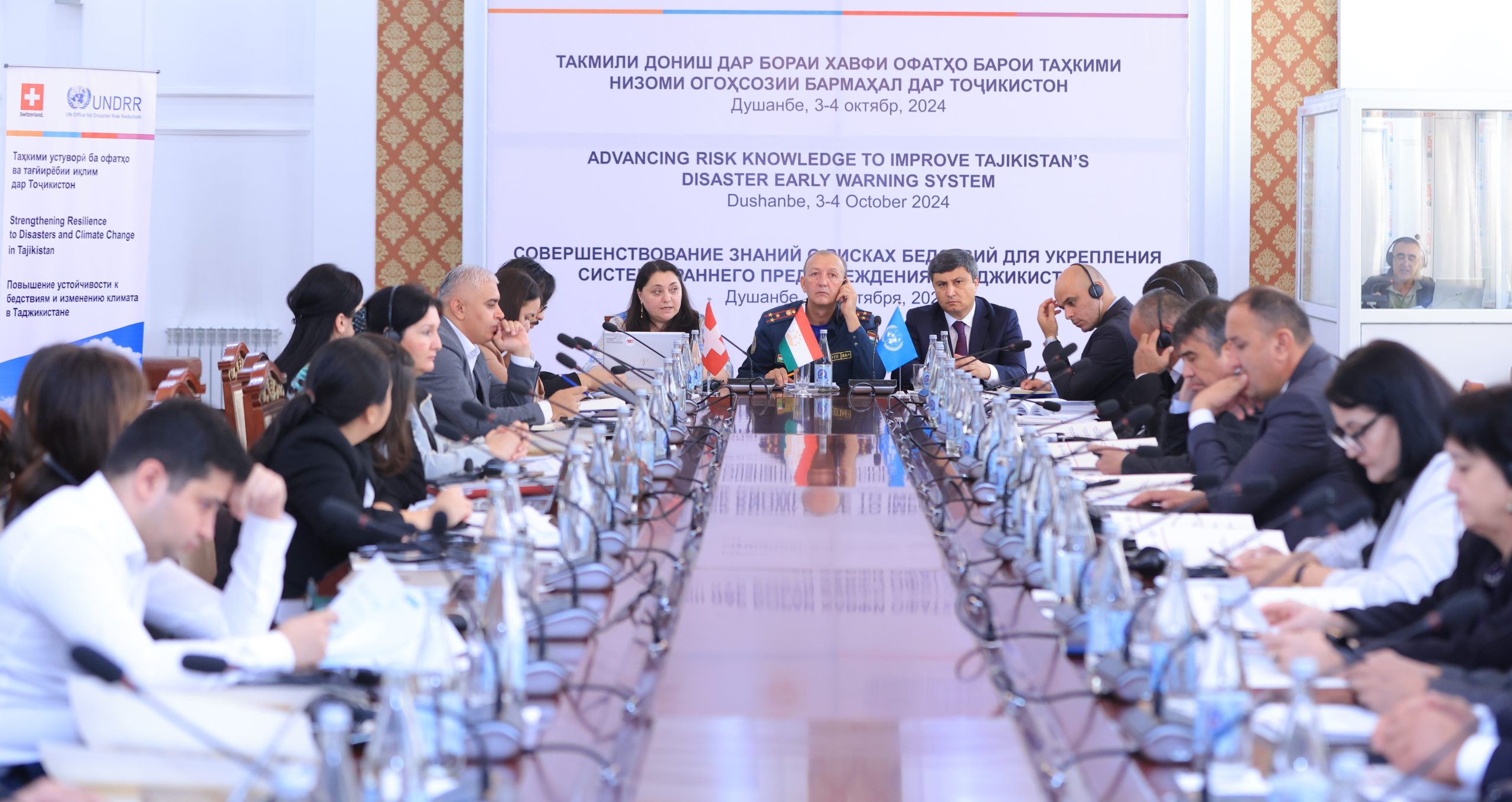
A two-day important workshop, which took place in Dushanbe within the framework of the “Strengthening Resilience to Disasters and Climate Change in Tajikistan” joint project of the UN Office for Disaster Risk Reduction and the Government of Switzerland, concluded on October 4. Press release issued the United Nations Office for Disaster Risk Reduction (UNDRR) Regional […]

Asia-Plus

A two-day important workshop, which took place in Dushanbe within the framework of the “Strengthening Resilience to Disasters and Climate Change in Tajikistan” joint project of the UN Office for Disaster Risk Reduction and the Government of Switzerland, concluded on October 4.

Press release issued the United Nations Office for Disaster Risk Reduction (UNDRR) Regional Office for Europe and Central Asia (ROECA) notes that the joint project is complementing the global initiative “Early Warnings for All” (EW4All) and is titled “Advancing Risk Knowledge to Improve Tajikistan’s Disaster Early Warning System.”  With participation from partners like UNDP, OCHA, CIMA Research Foundation, and Microsoft, the workshop was led by the Government of Tajikistan.

As country highly prone to natural disasters, Tajikistan has reportedly faced over 4,000 events in recent decades, causing an estimated US$500 million in damages.  This makes improving early warning systems (EWS) not just a priority, but a necessity.
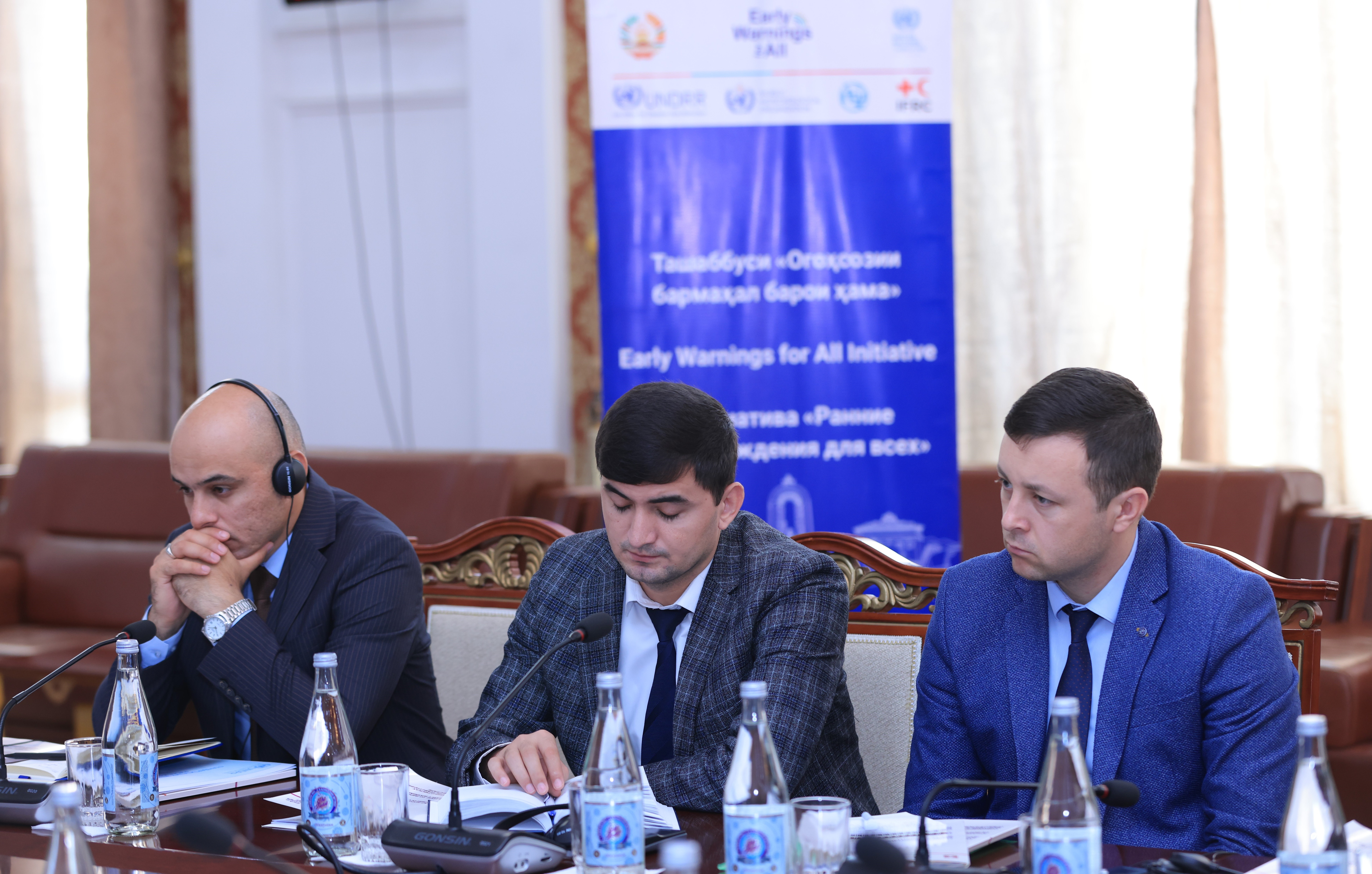
The workshop brought together key stakeholders to focus on one essential element: risk knowledge.  This knowledge helps identify who is most at risk from disasters like floods or earthquakes and assesses the potential impacts. By understanding these risks, experts can craft tailored warnings to reach the most vulnerable communities in time.  To do this, they analyze specific hazards, considering local vulnerabilities and the likely effects on those exposed.
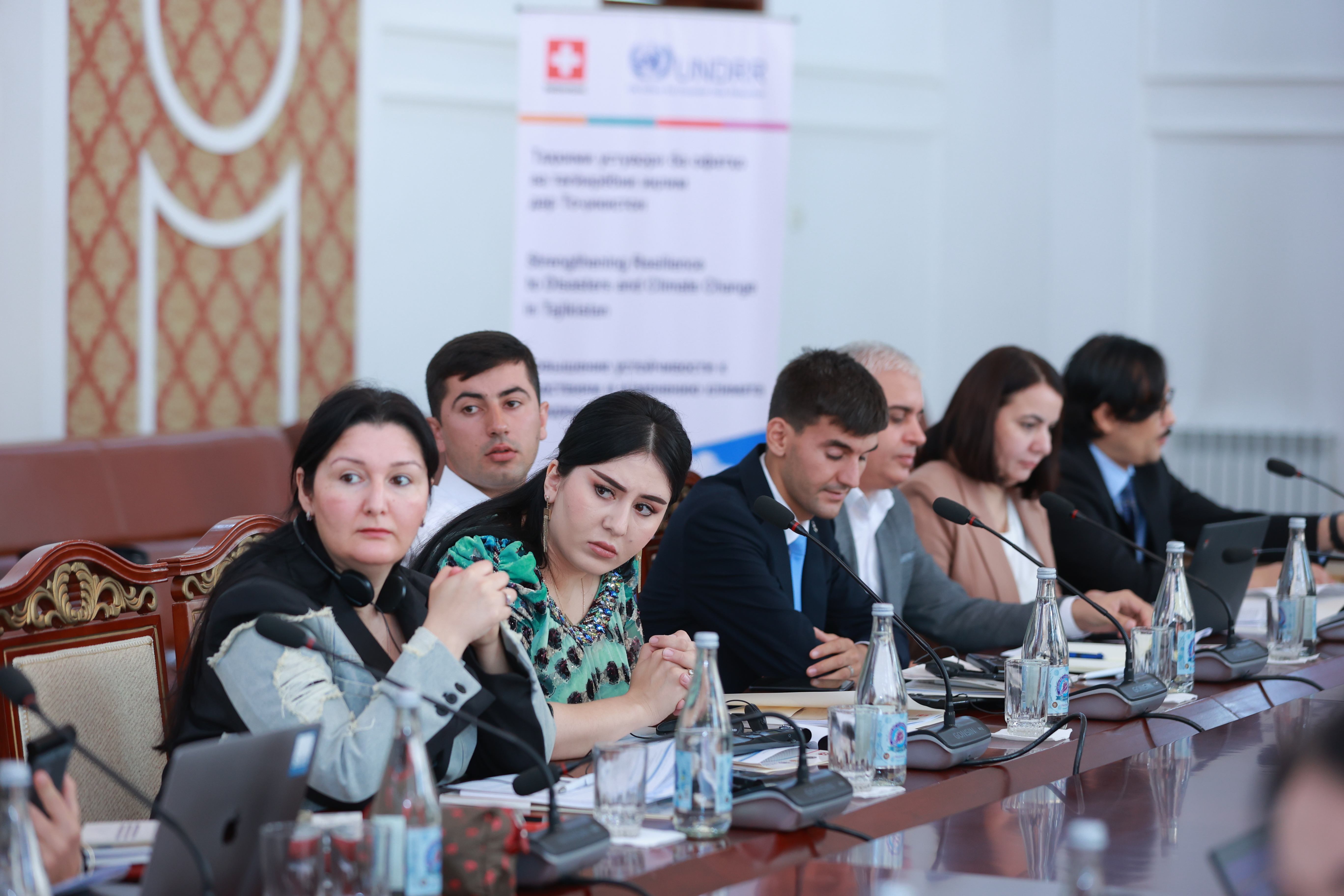
While early warning systems are proven to save lives and reduce damage, there are still significant gaps worldwide.  Currently, one in three people globally remain unprotected by such systems.  The EW4All initiative aims to close this gap by 2027, ensuring that everyone is covered by an effective EWS.

Tajikistan has already begun its efforts, holding a national workshop in August 2023 to identify the gaps in its own systems.  This led to the creation of a roadmap, officially endorsed in July 2024, which lays out a plan to improve early warnings across the country.
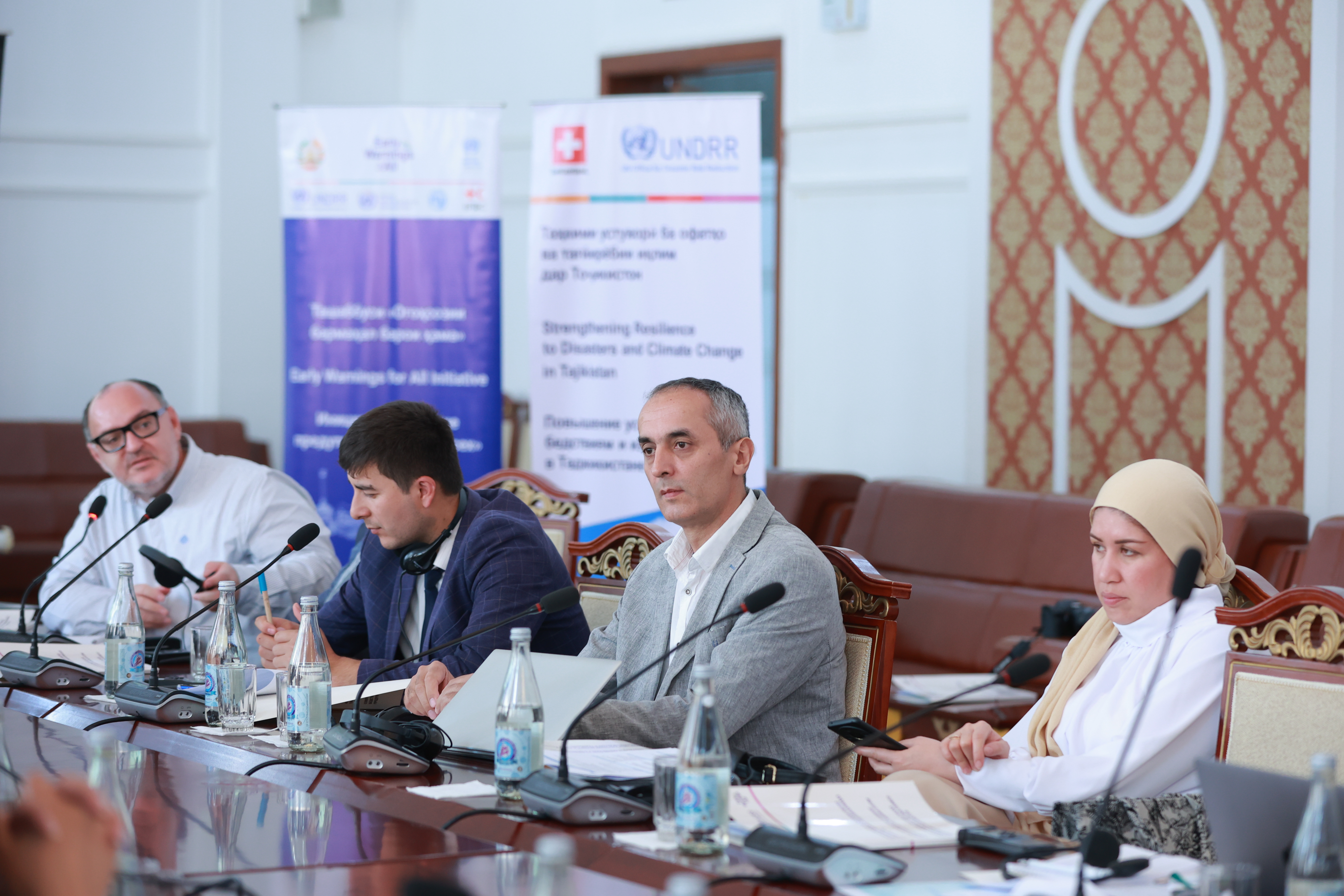
At the Dushanbe workshop, participants reportedly reviewed current approaches, receiving training, and learning about new tools, including Microsoft’s AI-powered exposure mapping.  These resources will help Tajikistan strengthen its ability to monitor, evaluate, and deliver life-saving warnings.  The event is reportedly a key step toward creating a more resilient future for the country, ensuring that no community is left unprotected from the threats of natural disasters.

Join us on social media!

Article translations:

Related Article

Оби зулол
Оби зулол

Most Read

Акика Алиф

Recent Articles

In Tajikistan, a unique surgery was performed for the first time on a child with an extremely rare pathology

Tajik and Russian surgeons successfully performed the most complex reconstruction of the bladder and abdominal wall for a child with recurrent exstrophy.

The ministry of health states that hantavirus does not threaten Tajikistan

Cases of infection with this virus were detected on board the cruise liner Hondius near the Canary Islands.

Tajikistan lags behind other Central Asian countries in number of chain hotels – study

The Republic remains a niche market with a limited number of quality hotels.

Climate risks threaten food security in Central Asia – FAO

Land degradation reduces agricultural productivity. The loss of biodiversity weakens the ecosystems that farmers, livestock breeders, and rural communities depend on.

Potential or illusion? Why the world overlooks Tajikistan’s mineral wealth

The republic may indeed possess significant reserves of rare metals, but there is a catch...

The case of ousted Kyrgyz security boss classified and moves to court

The former head of the GKNB is charged with violent seizure of power and abuse of official position.

Trump states that Iran’s nuclear program is a higher priority than U.S. citizens’ economic issues

Fluctuations in energy prices led to record inflation in the United States in April, the highest in the past three years.

Foot-and-mouth disease, plague, and flu: Central Asia threatened by transboundary animal diseases

FAO urges Central Asian countries to strengthen coordination and epidemiological surveillance.

Tajikistan approves the second phase of the Electric Transport Development Program; $95 million will be allocated for its implementation.

At this stage, the authorities are focusing on charging infrastructure, services for electric vehicles, and the expansion of the electric bus fleet.

Tajikistan and Kazakhstan to sign roadmap for cooperation in the agrarian sector

The parties are interested in expanding investment cooperation and establishing joint ventures.