Media outlets in Turkic-speaking countries say Turkiye has decided to replace term “Central Asia” with “Turkestan” in its history curriculum.
Turkiey’s Ministry of National Education has reportedly unveiled significant changes to its history curriculum, replacing the phrase “Central Asia” with “Turkestan.”
News.Az notes that experts believe that a move is designed to strengthen national identity and patriotism among future generations.
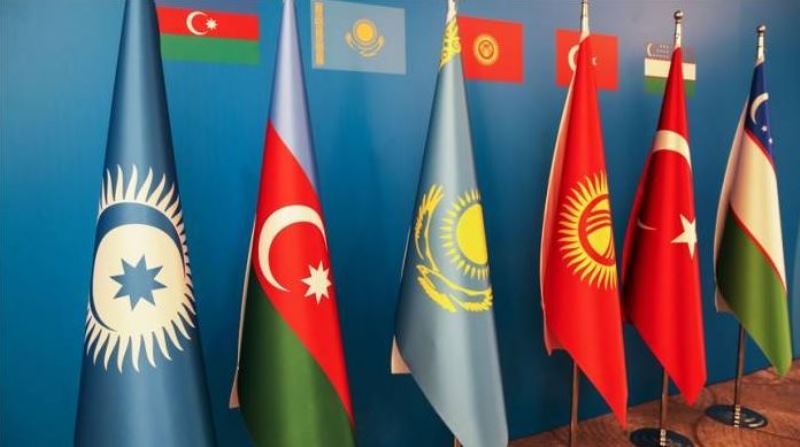
Turkish President Recep Tayyip Erdogan emphasized the importance of Turkic unity, stating: "We will work hand in hand to make the coming era the era of the Turks, extending our vision of the 'Turkish Century' to the Organization of Turkic States."
News.Az's analytical portal sought to delve deeper into the political and economic factors behind this decision, as well as gauge reactions from global powers. Turkish political scientist and analyst Engin Ozer, along with Elnur Hasan Mikail, Head of the Department of Political Science at Kars Kafkas University, in exclusive interviews with News.Az, shed light on the historical and strategic significance of this shift.
Ozer reportedly noted that the term "Turkestan" was traditionally used in Turkiye until the Russian Revolution: "The term refers to the region now known as Central Asia. Names such as Uzbekistan were largely introduced during the Soviet era, but historically, the region was known as Turkestan. Even during the Russian Empire's time, it was referred to as Turkestan. The term 'Central Asia' was coined by English Orientalists, much like 'Near East' or 'Middle East,' which have also been adopted in Turkiye. This shift in terminology weakened Türkiye’s ties with the region over time."
Elnur Hasan Mikail reportedly reiterated the historical significance of the term: "The region now known as Central Asia, including Kazakhstan, Kyrgyzstan, Uzbekistan, Turkmenistan, and Tajikistan, was historically called Turkeistan, dating back to the time of Tamerlane and even earlier, as these lands were inhabited by Turks. After the Russian Empire annexed the region, the name 'Central Asia' was introduced."
The Times of Central Asia reports that Professor Ahmet Taşagıl explained the historical meaning of the term Turkestan to TRT Haber. “The word Turkestan, meaning ‘homeland of the Turks’, has been used since the earliest periods of history. In the second half of the 19th century, due to the Russian invasion, the concept of Central Asia was introduced and spread instead of the name Turkestan,” he mentions.
Daryo.uz says experts view this change as a step toward reclaiming historical terms that reflect the Turkic heritage and reinforcing cultural and historical ties across the Turkic-speaking countries.