



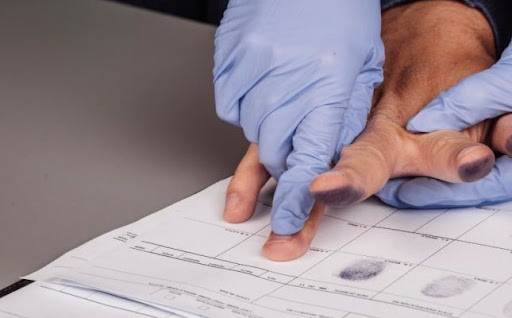
Moscow airports to introduce photo and fingerprint screening for foreigners

Starting December 1, Moscow airports and the Mashatkov automotive border crossing point in Russia’s Orenburg Region will implement a pilot program requiring photo and fingerprint identification for foreign nationals entering the country. Alexander Gorovoy, Russia’s First Deputy Interior Minister in charge of migration policy, shared the news in an interview with Kommersant. "Moscow is a […]

Starting December 1, Moscow airports and the Mashatkov automotive border crossing point in Russia’s Orenburg Region will implement a pilot program requiring photo and fingerprint identification for foreign nationals entering the country.

Alexander Gorovoy, Russia’s First Deputy Interior Minister in charge of migration policy, shared the news in an interview with Kommersant.

"Moscow is a major transportation hub and a key destination for foreign citizens.  After testing this system, the government and the FSB will consider expanding it to all border crossings," he said.

Gorovoy believes that fingerprint and photo registration at the border will help reduce the risks posed by individuals who might be a threat to Russia.  Over the past year and the beginning of 2024, authorities have detected about 5,000 attempts to cross the border illegally using altered documents.

Gorovoy also mentioned that on August 8, the Russian president signed two federal laws, which will take effect on February 5, 2025.  These laws grant the Ministry of Internal Affairs the authority to deport foreign nationals without a court order and establish a new migration regime for those residing illegally in Russia.

Additionally, a registry has been created to track foreign nationals residing in Russia unlawfully.  These individuals will be prohibited from operating vehicles, using banking services, registering property, or enrolling children in educational institutions.

Russian authorities have also published a “list of controlled individuals” that includes over 120,000 Tajik citizens suspected of violating Russian laws.  

Following a terrorist attack on March 22 at Moscow’s Crocus City Hall, allegedly involving several Tajik nationals, regulations for migrants in Russia have become stricter.  

Hundreds of Tajik migrants have reported being detained at Russian airports and land crossings on various grounds.  

Over the first half of 2024, 17,100 Tajik nationals have been deported from Russia. Tajik authorities have voiced repeated concerns in recent months regarding the violation of their citizens' rights in Russia.


Join us on social media!

Article translations:

Related Article

Tenisi
Оби зулол
Оби зулол

Most Read

Коммерсбонк Точикистон

Recent Articles

RZD announces the restoration of passenger services between Moscow and Dushanbe

Direct rail services between the capitals of Russia and Tajikistan were suspended in March 2020 due to the COVID-19 pandemic.

#AP30/Stories. “Selam! Heller nichek?” How Tatars live today in Sughd province

On the 30th anniversary of "Asia-Plus," we continue to publish reports that remain relevant even after years. This story was told in 2021, and since then, little has changed in the life of the Tatar community in Tajikistan.

15,000 cameras, drones, and robots: how technology monitors pilgrims in Mecca and Medina

During Hajj 2026, Mecca and Medina were under unprecedented digital control.

Another child in Dushanbe removed from family and sent to boarding school

The Ministry of Internal Affairs reports that the parents did not pay adequate attention to the child.

Emomali Rahmon instructs to address issues in seed production following criticism of the industry

Issues have been noted with certification, seed quality, and the material and technical base of the industry.

Water, climate, and a $130 billion deficit: seven key outcomes of the Water Conference in Dushanbe

At the forum, countries and international organizations discussed new mechanisms for cooperation, investments, and technologies that are essential for addressing the global water crisis.

Eskhata Bank introduces a new generation children’s wallet

"Eshkata Bank" has created a full-fledged digital platform that helps children aged 7 to 16 learn how to manage money.





