China is currently Tajikistan’s largest source of foreign investment and a significant trading partner.
China has begun investing in Tajikistan's economy only in the latter half of the 2000s, but in a short time, it caught up with and surpassed Tajikistan’s primary investor, Russia. Here’s an overview of China’s investments and the amount of funding it has provided to the country.
The first Chinese investments in Tajikistan arrived in 2007 after the two countries signed an agreement on good-neighborliness, friendship, and cooperation. A significant increase in Chinese investment followed in 2011, after territorial issues between the two nations were resolved.
By 2017, China overtook Russia, which had long been the main investor in independent Tajikistan's economy. In 2020, the influx of Chinese investments declined by more than half due to COVID-19 restrictions, but by the following year, investments returned almost to pre-pandemic levels. In 2021, China set a record by investing US$463 million in Tajikistan’s economy, of which 93% (US$430 million) were direct investments.
Between 2007 and 2023, according to Tajikistan’s State Committee on Investment and State-owned Property Management (GosKomInvest), China invested a total of US$3.845 billion in Tajikistan’s economy. For comparison, accumulated investments by other leading investors stand as follows: Russia — US$1.851 billion; Kazakhstan — US$1.209 billion; USA — US$808 million; and UK — US$805 million
Focus on direct investment
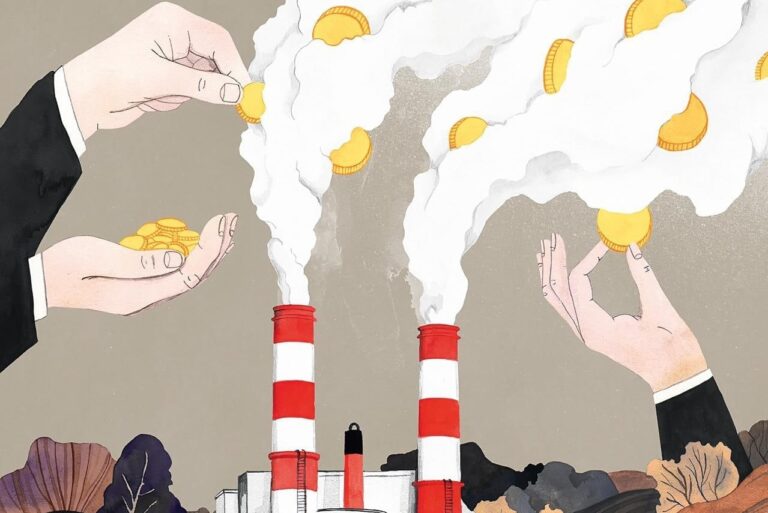
Approximately 70% (nearly US$2.6 billion) of China's accumulated investments in Tajikistan’s economy are direct investments. Initial direct investments from China in 2007 were modest at US$6.4 million, with similar levels continuing over the next four years. A notable increase began in 2012 (almost US$83 million), with a record inflow of direct Chinese investments reaching US$430 million in 2022.
China invests in sectors such as communications, construction, financial services, geological and mining exploration, industrial installations, and various other industries.
A portion of Chinese investments is directed toward Tajikistan’s mining sector. Numerous joint Tajik-Chinese companies in the country focus on extracting mineral resources like ore, copper, antimony, gold, and silver. The Zarafshan JV, 75% owned by Chinese investors, is one such company engaged in gold extraction and production in the country. Another company operating in this field is LLC Pakrut, where Chinese investors acquired full ownership in 2014.
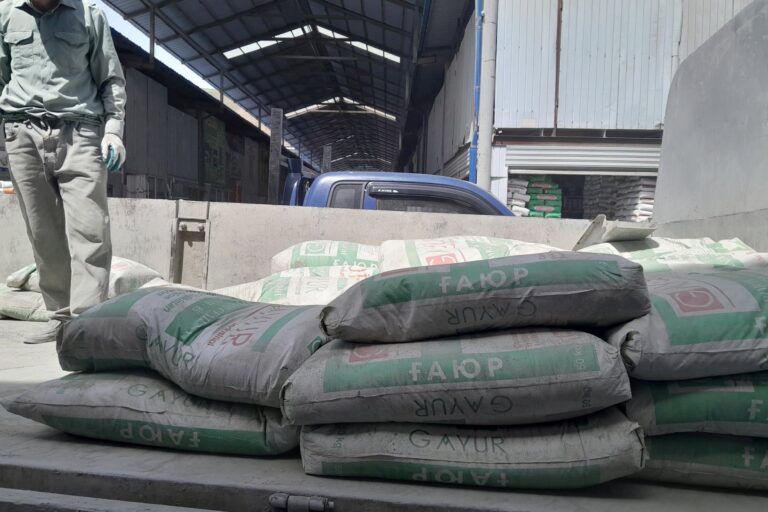
China also invests in building materials production. Joint ventures producing cement include Jung-Tsai Mohir Cement, Huaxin Gayur Cement, and Huaxin Gayur Sughd Cement, which together account for about 85% of the country's cement output.
Chinese companies such as Power Construction Corporation of China Limited (Power China), TBEA Company Limited, Sinohydro International Engineering, Shenzhen Kaifa Technology, and Huawei are actively involved in Tajikistan’s power sector.
China National Petroleum Corporation (CNPC) collaborates with Tajikistan in hydrocarbon exploration.
Experts suggest that direct investments are the most desired type for Tajikistan's current development stage, as the republic itself lacks sufficient financial resources to establish industrial capacities.
Meanwhile, speaking at the 11th China-Central Asia Cooperation Forum in Yinchuan, China, Tajikistan’s Deputy Prime Minister Sulaymon Ziyozoda noted on October 28 that Chinese investment in Tajikistan's economy from 2007 to 2023 exceeded US$4 billion, with more than US$2.5 billion of that in direct investments.
Tajik official further highlighted that China is one of Tajikistan's most significant trading partners, adding that over 700 Chinese-funded companies are currently operating in the country.