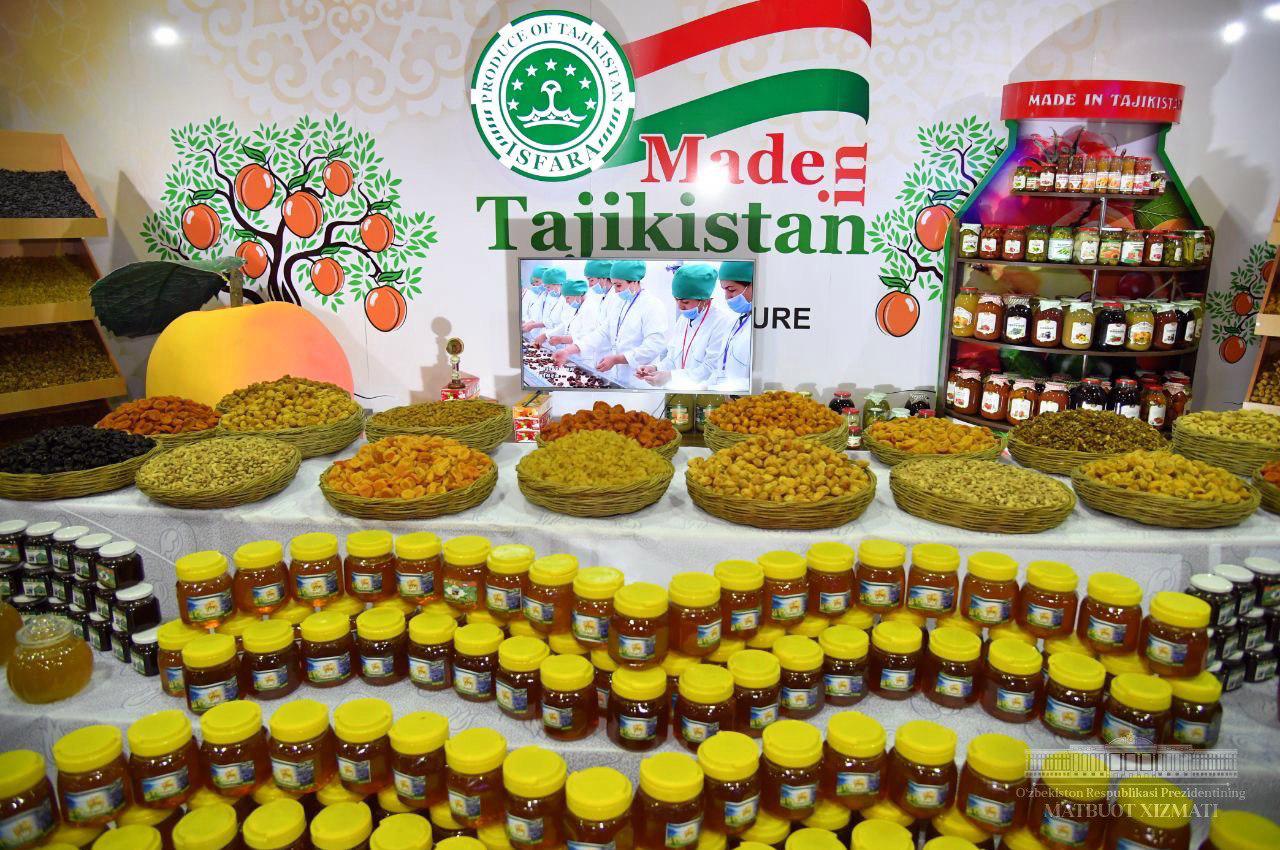
Food production in Tajikistan grows yearly, yet the population's demand for most foods is still met by imports. Experts highlight five main issues hindering the food industry’s growth, as outlined in the 2020-2025 State Development Program.
Raw material shortages
Some enterprises cannot increase capacity due to raw material shortages. For example, vegetable oil production requires 833,000 tons of oilseeds, which Tajikistan cannot produce. Growing crops like cotton and vegetables is costly due to high fuel and equipment prices, with cotton cultivation per hectare costing over 10,000 somonis—double that in Uzbekistan.
Limited quality seeds, particularly for wheat, further hamper production. Insufficient livestock products, particularly low-quality milk, also affect processing. For food industry needs, the country requires 2.5 million tons of wheat, 550,000 tons of oilseeds, and 300,000 tons of meat annually.
Price volatility and power outages
Food industries face rising costs of energy and transportation.
Domestic confectionery producers struggle to compete with imports since key ingredients like sugar and cocoa are imported, raising production costs.
Winter power shortages have lowered cotton processing output, with 980 fewer tons produced in the first half of this year compared to the previous. Power cuts in early 2024 led to reduced fertilizer production by Azot company, with 7.3 million somonis less output compared to last year.
High interest rates on loans
High-interest rates prevent the food industry from fully realizing its potential. Local producers face high loan costs (26-28% annually), making it difficult to expand.
The short terms of loans further hinder effective use in production, and some businesses have downsized due to financial constraints.
The volume of preferential loans available is insufficient for food industry growth.
Lack of working capital
Enterprises lack the working capital needed for modernization and raw material purchases, leading to unprofitability.
Many enterprises do not have their own funds, while borrowed funds come with high-interest rates. The need for financial resources for production modernization remains critical.
Lack of new technologies
Many enterprises need reconstruction and equipment upgrades. Only 34% of active enterprise assets meet modern technological standards; 35% require reconstruction and 31% need complete replacement.
Outdated equipment, such as in meat processing, limits productivity, with capacity utilization in some sectors below 50%. For instance, the capacity usage rate for vegetable oil production is 20%, and for confectionery, 35%.
The 2020-2025 Development Program aims to address these issues, with a total budget of over 568.8 million somonis from internal and external investments, bank loans, and enterprise funds.