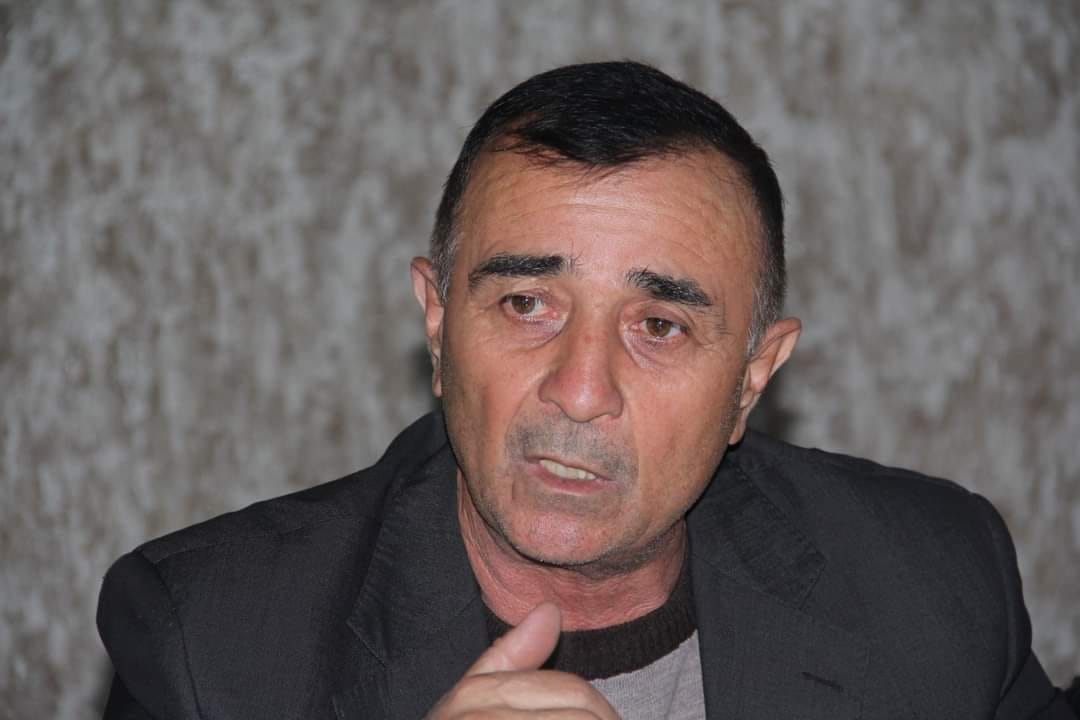
A closed-door court hearing for Tajik journalist Ahmad Ibrahim, founder and editor-in-chief of Payk weekly, the only independent newspaper in Khatlon province, has recently been held at the detention center in the city of Kulob, Radio Liberty’s Tajik Service, known locally as Radio Ozodi, reported on November 20.
During the investigation, approximately 100 current and former officials who transferred funds to Payk's bank account over the past five years have been questioned and about 20 of them have been summoned to the court.
"Investigators attempted to uncover ‘criminal circumstances’ in Ahmad Ibrahim’s financial dealings with these individuals. However, most stated that they had legally subscribed to Payk and purchased his book to support cultural activities," Radio Ozodi reported.
Sources reportedly indicate that the prosecution alleges extortion by the journalist, though formal complaints against him have been minimal.
One local official reported on November 20 that he was pressured to testify against Ahmad Ibrahim in court.
Ahmad Ibrahim has denied the accusations, calling them defamatory.
As it had been reported earlier, Ahmad Ibrohim has been in custody since August 12 of this year, accused of bribing a National Security Committee officer. His case has been classified as secret.
Friends and colleagues of the journalist believe the accusation is retaliation by officials angered by his critical articles.
Ahmad Ibrohim, aged 62, founded Payk weekly in 2012. Despite being the only independent weekly in Khatlon province, the newspaper has faced numerous challenges over the past decade. There were periods when Payk was sued for critical articles, and its publication was sometimes suspended due to financial difficulties.
In 2014, the regional prosecutor's office suspended the paper, citing its failure to renew its registration within the required five-month period, during which it continued publishing without authorization. The prosecution fined the newspaper 400 somonis for violating the law.
International organizations have expressed concern for Ibrohim’s fate, while Tajikistan’s media community remains largely silent on the matter.