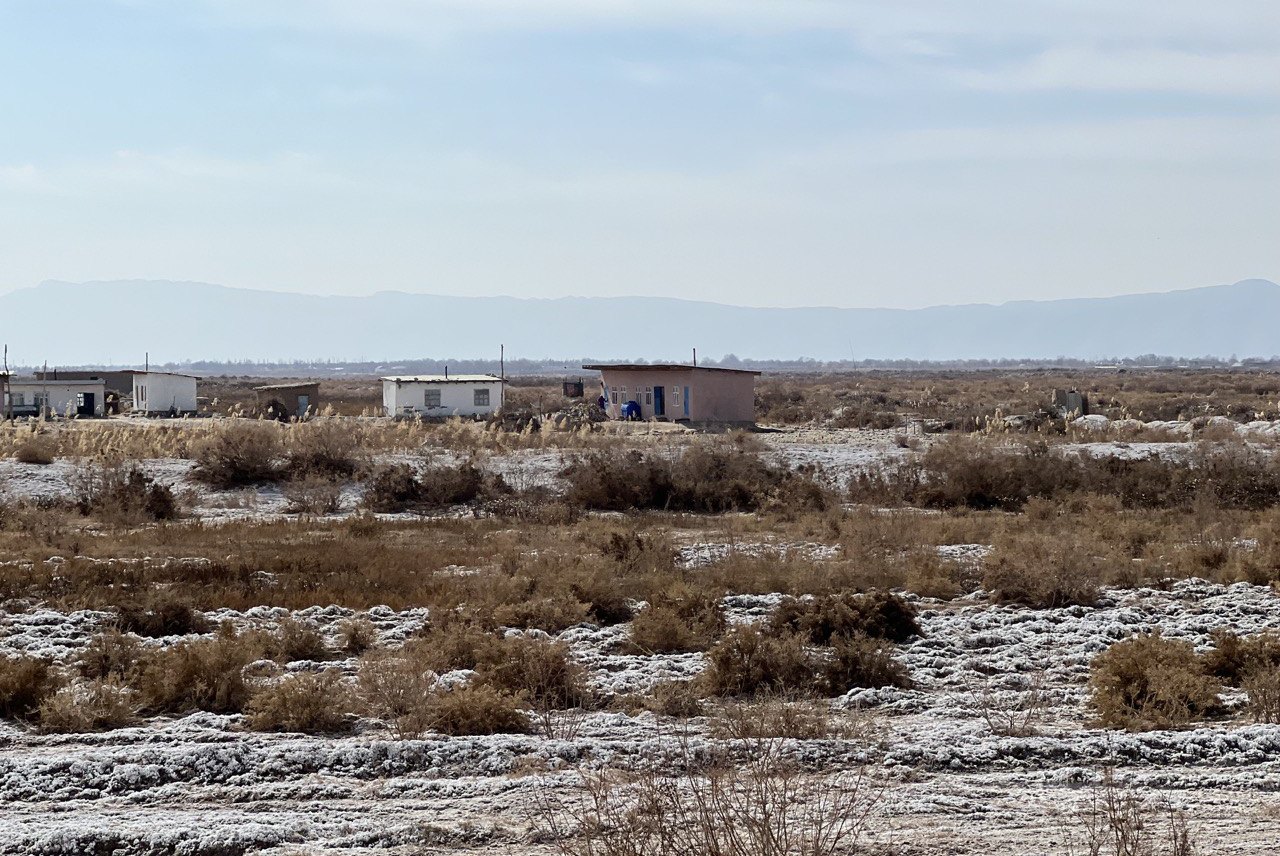
According to the UN, approximately 30% of Tajikistan's agricultural land is in a degraded state, and 95% of the country’s land is prone to degradation.
On the sidelines of the COP29 conference being held in Azerbaijan’s in Baku, a roundtable was held to address one of the most pressing environmental issues of our time – land degradation. Participants discussed how climate change and soil degradation affect population migration and sustainable development in Central Asia.
Global threats and local challenges
As it was noted at the roundtable, land degradation affects about 40% of the world’s agricultural land. Each year, up to 12 million hectares of fertile soil are lost.
The problem is particularly acute in Central Asia. Degraded pastures, deforestation, and soil salinization have already worsened living conditions in Tajikistan, Kyrgyzstan, and Kazakhstan. In Tajikistan, 95% of land is prone to degradation, with 30% of agricultural land in a critical state.
Regional efforts to find solutions
At the conference, delegates shared experiences and specific initiatives. A representative from Kyrgyzstan discussed the consequences of accelerated glacier melting, which intensifies soil erosion, and the country’s programs aimed at restoring arable land.
The Uzbek delegation presented a project on water resource optimization, including the use of drip irrigation technologies and soil condition monitoring. Special attention was given to the Aral Sea basin, where land degradation has led to an ecological catastrophe.
Migration – a hidden consequence
Participants highlighted the strong connection between land degradation and migration. Faced with job shortages and declining agricultural yields, young people are leaving their home regions. Major migration flows move from Tajikistan and Kyrgyzstan to Russia and Kazakhstan.
The unsuitability of arable land and pastures causes declining incomes and living standards, forcing rural residents to leave their countries in search of work.
The event underscored the need for a comprehensive approach to tackling land degradation. Participants agreed that combating this threat requires consolidated efforts at national and international levels. Preserving soil fertility is key to Central Asia's future and the well-being of its population.
The conclusion was clear: investing in land restoration and job creation is essential to reducing migration.