To regulate the harvesting of medicinal plants and encourage their domestic processing, the Government of Tajikistan has approved quotas for two valuable plant species — ferula and licorice. The decree was signed by President Emomali Rahmon, who is also Head of the Government.
According to the document, the following quotas have been set for the next year:
· Ferula sap: 80 tons
· Licorice root: 1,000 tons
The collection of these plants is permitted only under the condition that their processing and the production of finished goods occur within the republic.
This measure aims to promote local industry development and increase the value added to the products.
Previous regulations on ferula
As early as 2009, Tajikistan’s Government adopted a resolution titled “On Regulating the Collection and Processing of Ferula Resin.” According to this resolution, ferula resin collection is allowed exclusively by Tajik citizens and solely for industrial processing and the production of finished goods. Export of ferula resin as raw material is prohibited.
Oversight of collection
To ensure legal plant collection and prevent illegal activities, multiple government agencies will be involved:
- The Committee for Environmental Protection under the Government of Tajikistan will handle permits, licenses, and state oversight.
- The Ministry of Internal Affairs, the State Committee for National Security, the Forestry Agency, and local authorities will combat the illegal collection of ferula sap and licorice root.
- The Ministry of Health and Social Protection of the Population, in collaboration with the Customs Service, must submit a detailed report by December 31, 2025, on the processing of medicinal raw materials, the volumes of finished product production, and their export.
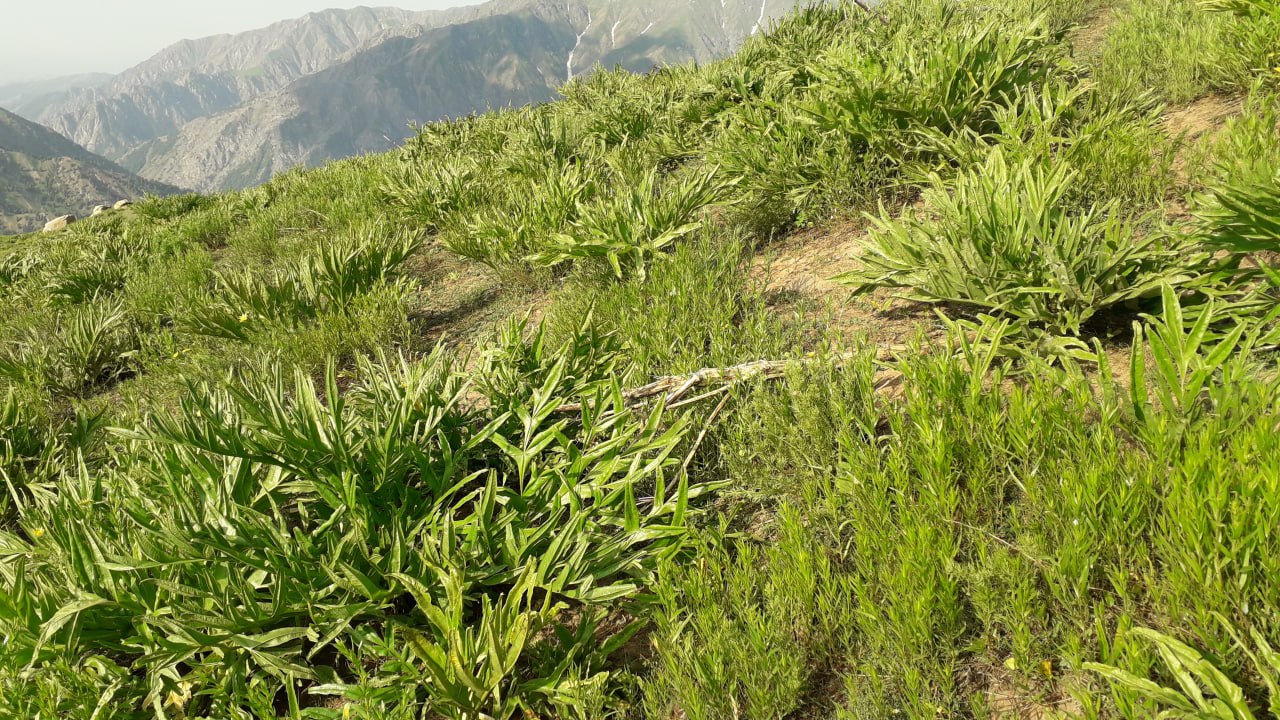
Ferula is a genus of about 170 species of flowering plants in the family Apiacease, mostly growing in arid climates. Several species of ferula grow in Tajikistan. One of species of ferula native to Iran and Central Asia is Asafoetida (Ferula assafoetida). It is an herbaceous perennial plant growing to 2 m tall, with stout, hollow, somewhat succulent stems 5-8 cm diameter at the base of the plant. Asafoetida has certain medicinal uses and most commonly is used as a digestive aid. It is reputed to lessen flatulence and is often added to lentil or eggplant dishes in small quantities. It is also said to be helpful in cases of asthma and bronchitis.
Licorice is the common name of Glycyrrhiza glabra, a flowering plant of the bean family Fabaceae, from the root of which a sweet, aromatic flavoring is extracted. The licorice plant is an herbaceous perennial legume native to West Asia, North Africa, and Southern Europe. Licorice is used as a flavoring in confectionery, tobacco, beverages, and pharmaceuticals, and is marketed as a dietary supplement.
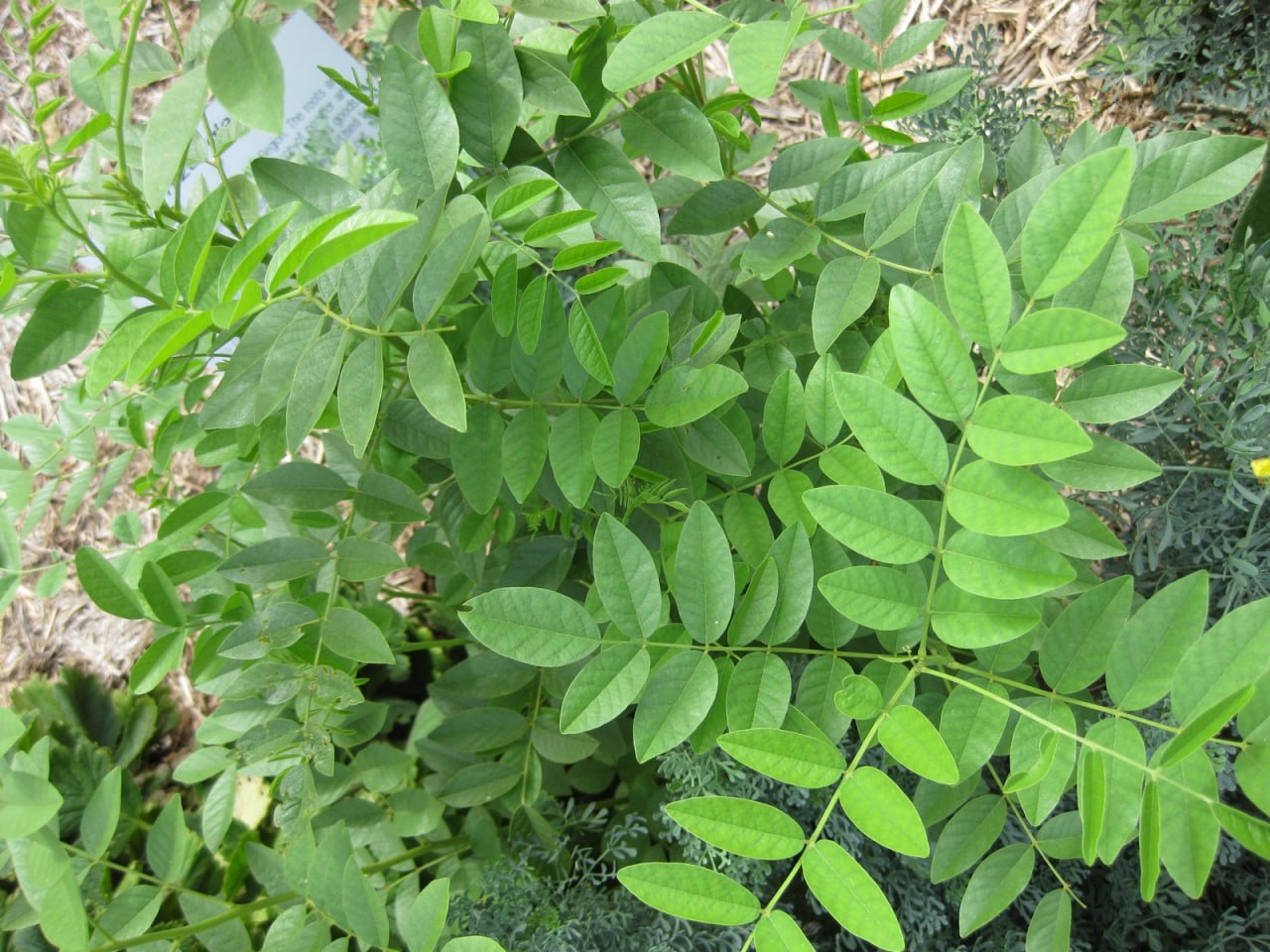
Licorice root, which comes from the root of the licorice plant, Glycyrrhiza glabra, contains nearly 300 compounds, but its primary active compound is glycyrrhizin. This is responsible for the root’s sweet taste, as well as its antioxidant, anti-inflammatory, and antimicrobial properties.
Economic and environmental prospects
Ferula and licorice play significant roles in the pharmaceutical and other industries, providing Tajikistan with opportunities to strengthen its position in international markets.
Average revenue from 1 hectare of licorice amounts to US$851, with global prices for dried roots reaching US$1.4 per kilogram.
In Tajikistan, licorice is processed by the enterprise “Avvalin,” a joint venture with the Japanese company Cokey System Co. LTD, which produces glycyrrhizic acid concentrate for export to the pharmaceutical industry.
Ferula asafetida is widely used in both pharmaceuticals and culinary applications. Its resin is highly valued on the global market, priced at US$50–US$80 per kilogram.
Ferula collection is strictly regulated: raw materials are processed exclusively within the country, and unprocessed exports are prohibited.