On January 11, the President of Tajikistan, Emomali Rahmon, signed a decree announcing a moratorium on all types of inspections of business entities.
The document orders a moratorium on all types of inspections of business entities (with the exception of tax inspections) until January 1, 2027. The government is instructed to submit the relevant regulatory act within one month, after which the moratorium will take effect.
The announced moratorium is governed by the "Law on the Moratorium on Inspections of Business Entities", which establishes the legal framework for applying the moratorium, regulates its implementation, and protects the legitimate rights and interests of citizens.
Under the provisions of the law, the moratorium suspends the enforcement of legislation related to the inspection of business entities during its application.
The law also provides for the establishment of the Council for the Coordination of Inspecting Authorities, a consultative body under the Government, which ensures interaction and coordination between inspecting authorities.
In his latest address, the president noted that the number of inspecting bodies in the country has decreased from 31 to 23, and inspections of business entities have dropped from 300,000 in 2016 to 42,000 in 2024.
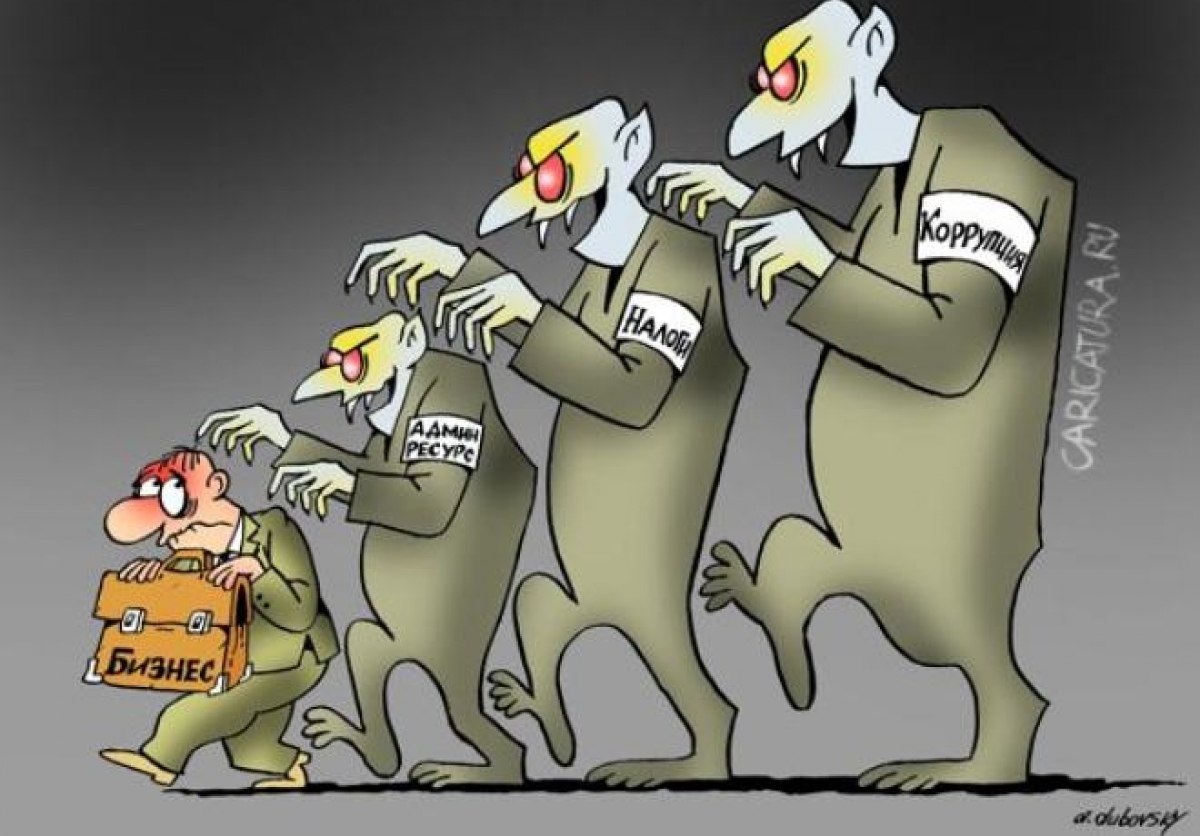
However, entrepreneurs interviewed by Asia-Plus reporters remain skeptical about the upcoming moratorium. They argue that such moratoriums do little to help: inspectors continue to visit businesses as they please, conducting checks as they see fit.
Entrepreneurs are often reluctant to report illegal inspections to the relevant authorities, fearing that they will be blamed instead. As a result, they tend to resolve issues informally on the spot.
Some business owners, particularly small business representatives, are not well-informed about their rights and responsibilities. Consequently, they comply with inspectors' demands without dispute.
There are rare exceptions, where business owners push back against unwarranted inspections by seeking assistance from legal firms.
During the previous moratorium, both local entrepreneurs and foreign investors complained about illegal and frequent inspections.
For instance, representatives of Halyk Bank Tajikistan privately told Asia-Plus reporters about excessive inspections and unfounded claims that led to the bank’s decision to sell its assets and exit the country.
According to them, the existing conditions in Tajikistan made it impossible to continue operating: “Our bank (Halyk Bank of Kazakhstan) operates profitably in over 20 countries worldwide. We came to Tajikistan at the initiative of our presidents. Here, we do not make significant profits; most of what we earn goes toward maintaining the bank and paying salaries and services to Tajik citizens. Meanwhile, inspectors visit us almost every week with baseless claims. We don’t need this,” said one of the executives of Halyk Bank Tajikistan.
In November 2022, Halyk Bank Tajikistan sold its assets to a local bank (CJSC Kommertzbank Tajikistan) and left the country.