China National Petroleum Corporation (CNPC) has completed geophysical surveys of hydrocarbon deposits in the Bokhtar region, and the collected data is currently being processed. This was reported by Ilhomjon Oimuhammadzoda, the head of Tajikistan’s Main Geology Directorate, on January 28 during a news conference in response to a question from Asia-Plus.
According to Oimuhammadzoda, CNPC is now the sole participant in the project, as all other partners have withdrawn. Despite these changes, the work on the project continues.
“The project includes geological exploration of the studied areas. Last year, the company conducted geophysical studies, and the collected data is now being processed. Geological exploration follows a specific sequence of stages, and in 2024, a pilot study was conducted to identify promising areas for future development,” Oimuhammadzoda explained.
He added that specific sites for further exploration will be determined after data analysis is completed.
“Thus, the exploration process continues, and the next steps will depend on the results obtained,” Tajik chief geologist noted.
Shift in project stakeholders
In March 2024, Tajikistan’s parliament ratified the transfer of TotalEnergies’ share in the Bokhtar project to CNPC.
The Bokhtar project
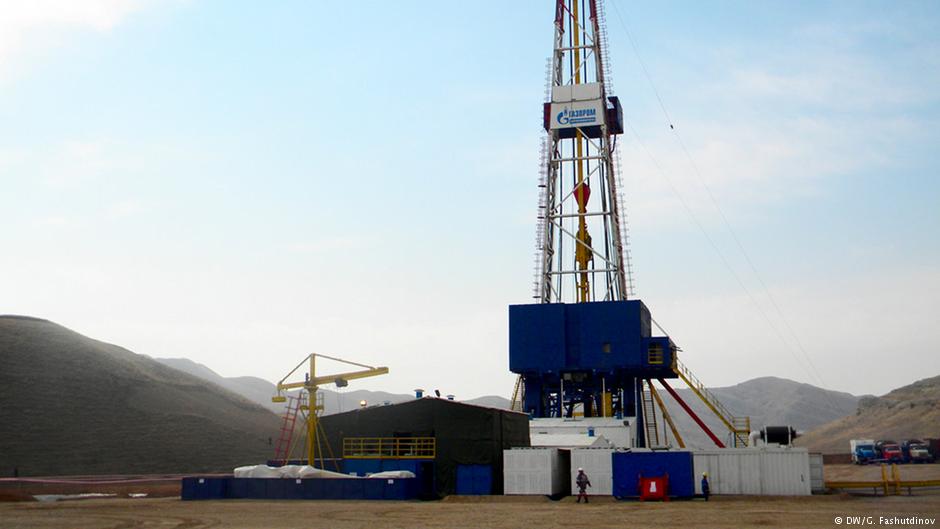
The Bokhtar project is part of the Afghan-Tajik Basin, believed to contain significant oil and gas reserves, 40% of which are located in Tajikistan. The initial phase of the project covers the southwestern part of the basin, including areas near the borders with Afghanistan and Uzbekistan. Development began in the city of Sarband, 110 kilometers south of Dushanbe.
A brief history
The Bokhtar project was initially agreed upon in 2008 with the Canadian company Tethys Petroleum. In 2011, Tethys announced the discovery of significant oil and gas reserves, attracting major international companies such as Total and CNPC.
However, in 2013, financial and organizational difficulties forced Tethys to exit the project. By 2015, CNPC and Total became the primary stakeholders. In 2017, an international arbitration court ruled against Tethys, and the company officially left the project in 2018.
Following Total’s departure, CNPC became the sole participant and continues to implement the project.