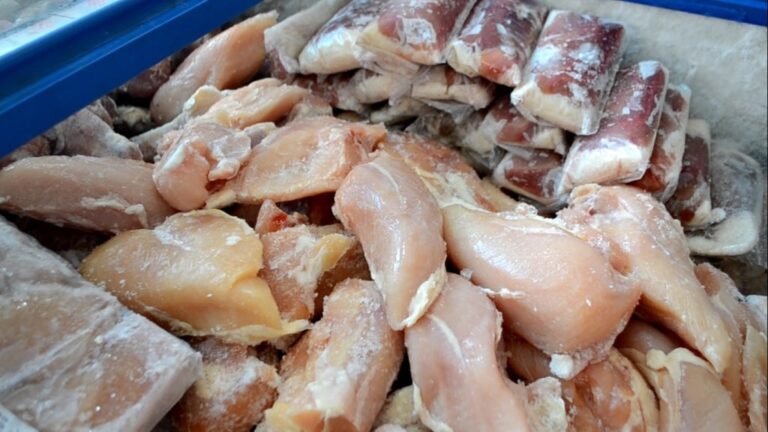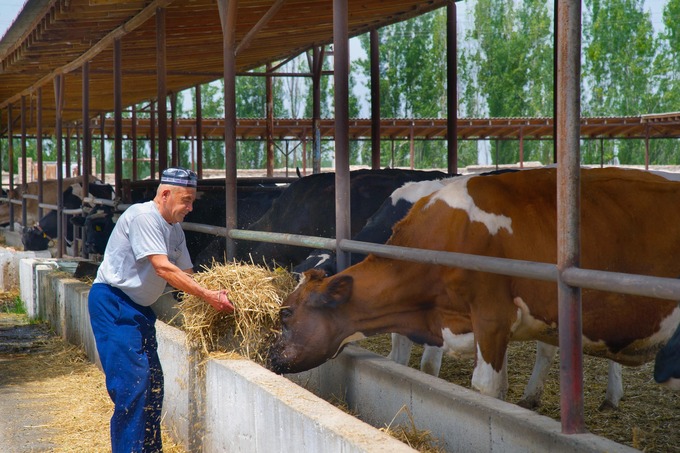
In Uzbekistan, livestock and poultry farms will receive a 50% refund on the value-added tax (VAT) from April 1, 2025, to January 1, 2028. The cashback will be transferred by the 25th of each month, Fergana news agency reports, citing a decree by Uzbek President Shavkat Mirziyoyev, which came into effect on January 31.
This measure applies to enterprises whose revenue from the sale of meat, milk, or eggs accounts for at least 90% of their total income.
The Tax Committee and other responsible agencies have been tasked with developing the procedure for refunding the previously paid VAT within two months and addressing technical issues.
The president’s decree reportedly also includes the launch of the "Poultry Farming – A Source of Income" program, which aims to create jobs for at least one million people. In this regard, by February 1 of this year, the Reconstruction and Development Fund allocated US$50 million to Microcreditbank to increase the authorized capital of the financial institution. These funds will be used to finance poultry farms, including those operating in cooperation with households.
Other benefits for the sector include a 5% customs duty on imported agricultural vehicles until January 1, 2028, as well as various fiscal incentives. For example, over the next three years, meat and dairy producers will pay corporate income tax, property tax, land tax, and water use tax at a 50% reduced rate.
Additionally, state veterinary laboratories will provide some services free of charge, including issuing certificates for veterinary medicines and diagnostic test kits for animals, including imported ones.
Meanwhile, in 2025-2026, with US$50 million in funding from the Asian Development Bank (ADB) and the Japan International Cooperation Agency (JICA), Uzbekistan will launch a program to prevent pasture degradation and develop the karakul sheep breeding industry.
The government has set target indicators for the agricultural sector, expecting businesses to supply around 3.19 million tons of livestock meat, 1 million tons of poultry meat, 13.12 million tons of milk, and 10.5 billion eggs to the market this year. It is planned that exports of these products will reach $180 million.