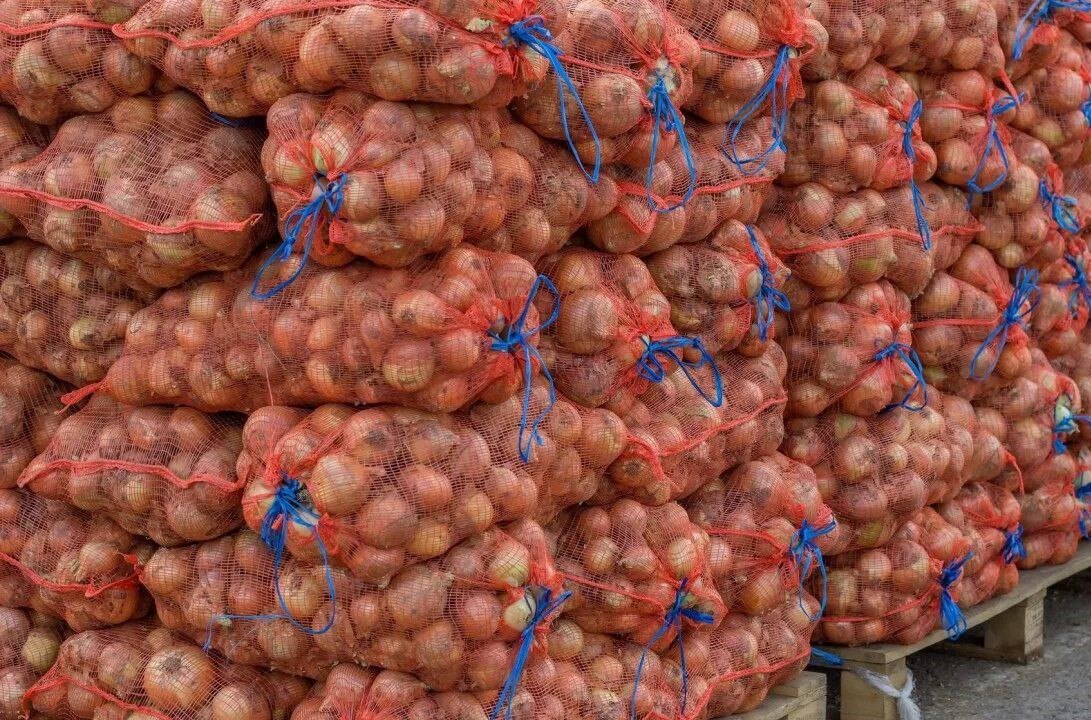
In 2024, Kazakhstan significantly reduced its purchases of onions and garlic from Tajikistan, importing only 17,900 tons, which is 3.3 times less than in the previous year. Uzbekistan remains the primary supplier of onions to Kazakhstan, delivering 122,600 tons last year, Zakon.kz reports.
Tajikistan has traditionally exported onions and garlic to Kazakhstan, but last year's volumes have dropped sharply. There has also been a decline in the export of fresh fruits, including apricots, peaches, and grapes.
“As we can see, the vegetable market in Kazakhstan underwent significant changes in 2024. On the one hand, the total import volume decreased, but its cost increased. The supply structure has also changed. Russia remains a key food supplier, but China has expanded its share of the vegetable market, while supplies from traditional suppliers such as Uzbekistan and Tajikistan have declined in some categories," noted Tradereport.kz senior analyst Yergazy Taubayev.
Why have Kazakhstan’s agricultural imports from Tajikistan declined?
According to analysts, several factors contributed to the decline in imports from Tajikistan:
- Increased Competition from China – The growing supply of vegetables from China has reshaped Kazakhstan's import structure, reducing demand for Tajik and Uzbek products.
- Pricing Policy Changes – Despite the decline in import volumes, prices have risen, indicating an overall increase in agricultural product costs.
- Kazakhstan's High Domestic Yield – Kazakhstan produced 1.1 million tons of onions against an internal demand of 315,000 tons, leading to surplus stocks that were partially exported. However, local farmers faced challenges in selling excess inventory.
- Export restrictions – At the beginning of the year, Kazakhstan introduced export quotas and permits, affecting the balance between domestic production and imports.
Despite a surplus of its own harvest, Kazakhstan actively purchased Tajik onions during the off-season, importing about 70,000 tons, even though it produces 3.5 times more than it consumes.
In 2024, Tajikistan's onion exports amounted to $3.2 million, which is half of the previous year. Kazakhstan remained the main buyer, accounting for 60% of total shipments.
Over the past eight years, Tajikistan's onion exports have fluctuated, with the highest level recorded in 2019 ($7.69 million), when Pakistan was the primary buyer (51%). In other years, Kazakhstan has remained the dominant market, accounting for 60% to 97% of exports.