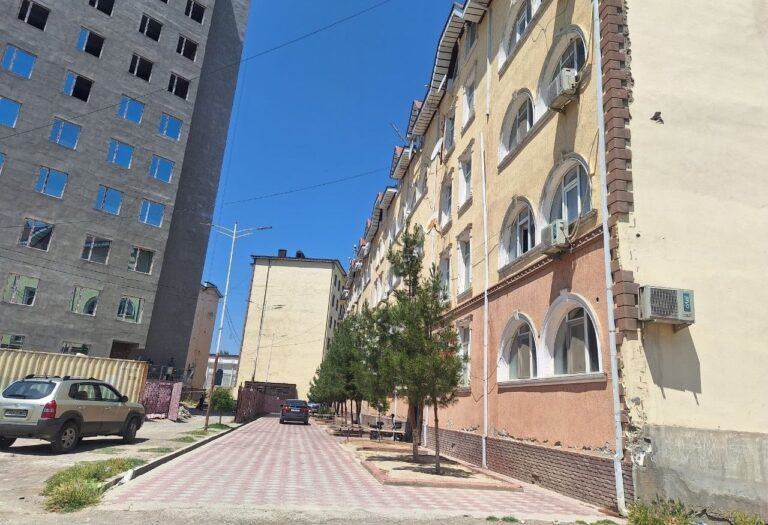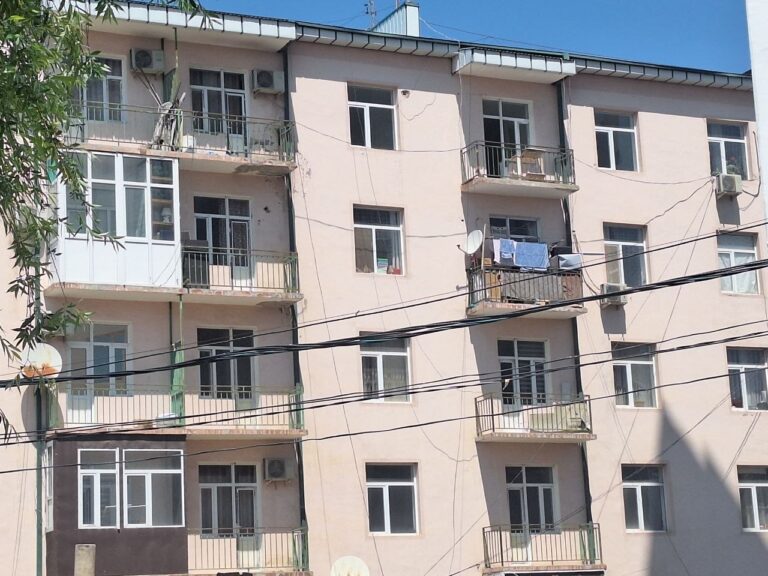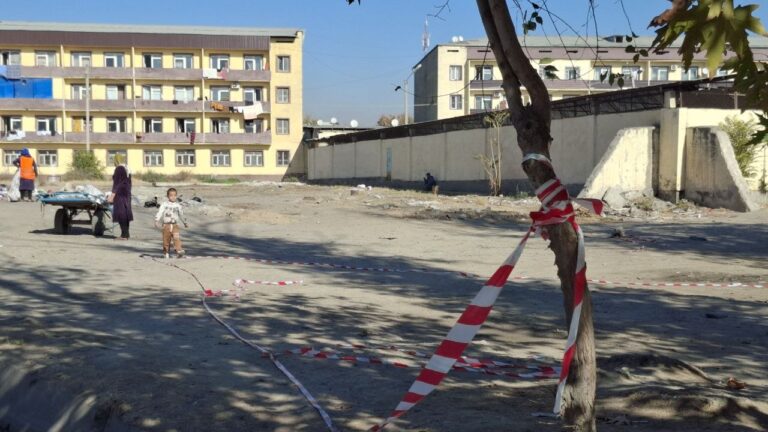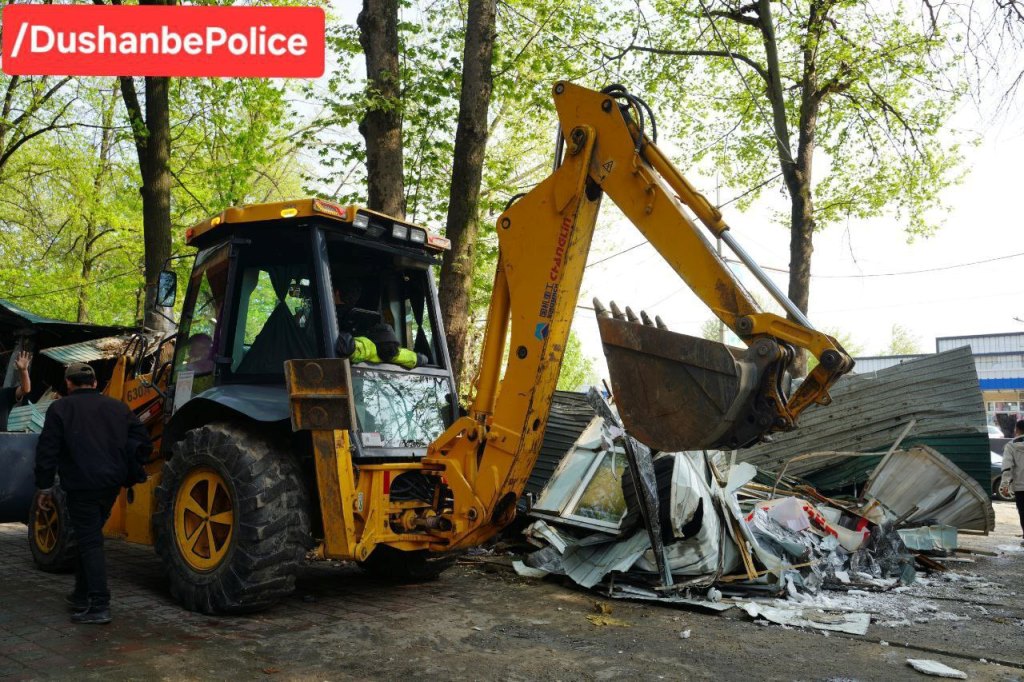
Last week, the demolition of illegal constructions and street vending began in Dushanbe’s Shohmansour district. During a raid by the city police and municipal authorities in the district, dozens of roadside cafes, wooden kiosks, and illegal parking lots that were obstructing traffic on the Dushanbe – Vahdat highway were removed. The Dushanbe Police Directorate says special attention was given to the area around the Obshoron bazaar—unauthorized trade was halted, structures were demolished, and the area was cleaned up,
What is an unauthorized building?
Lawyers from the Huquqi Dastars (Accessible Law) organization note that according to Article 293 of Tajikistan’s Civil Code, an unauthorized building is a structure (residential house, building, facility, or any other immovable property, including their reconstruction) created on a plot of land that has not been allocated for these purposes in accordance with the law, or created without obtaining the necessary permits, or with significant violations of urban planning norms and rules.
A person who has built an unauthorized structure does not acquire ownership rights to it. They are not allowed to dispose of such a structure, including selling, gifting, renting, or making any other transactions with it.
An unauthorized building must be demolished, either by the person who constructed it or at their expense, upon request from a person whose rights have been violated or a local government authority, except in cases specified below.
If an unauthorized building was erected on a land plot that was properly allocated for construction purposes with the consent of the original land user, the land user cannot demand its demolition. If the building was erected on a land plot illegally seized, it will be demolished by the decision of the local government authority.
A person who has built an unauthorized structure in bad faith has no right to compensation for damages but may dispose of the building materials.
If the unauthorized building is not demolished within the established period or within another acceptable period at the person's own discretion, this constitutes a waiver of ownership rights to the construction materials.
When does property ownership apply?
The ownership rights of a person who has constructed an unauthorized building may be recognized by the court if the land plot was provided or is being provided to that person for construction in accordance with the law. In the event of the death of the person who built the unauthorized structure, their property rights may be recognized by court at the request of their heir.
The ownership rights to an unauthorized building constructed by another person may be recognized by the court at the request of the person to whom the land plot was allocated for construction. In this case, the person whose ownership rights are recognized to the unauthorized building must compensate the person who constructed the building for expenses, as determined by the court, unless otherwise stipulated by the contract.
If retaining the building violates the rights and legally protected interests of others, or creates a threat to their life and health, or the safety of surrounding objects, harms the environment, or in other cases of significant violations of urban planning norms, ownership rights to the unauthorized building cannot be recognized.