UNICEF donates equipment to save newborns in Tajikistan

The United Nations Children's Fund (UNICEF) has donated over 500 units of medical equipment to Tajikistan’s Ministry of Health and Social Protection of the Population (MoHSPP) for newborns and patients in need of oxygen therapy. The MoHSPP press center says the donation includes 227 CPAP devices (continuous positive airway pressure machines) and 300 oxygen concentrators […]

Asia-Plus

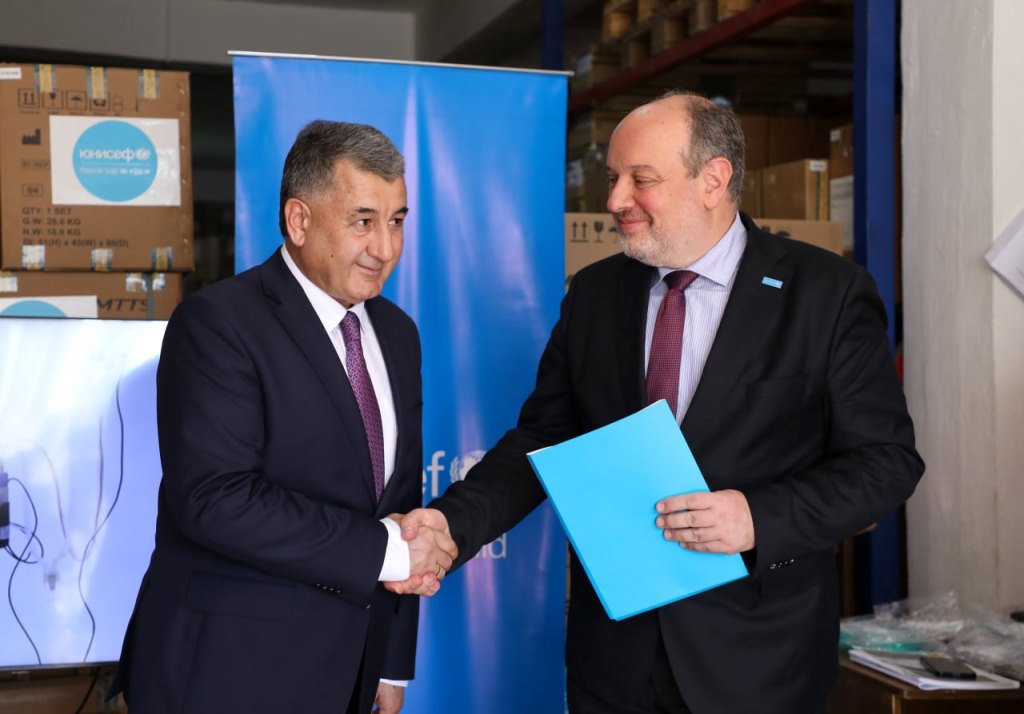
The United Nations Children's Fund (UNICEF) has donated over 500 units of medical equipment to Tajikistan’s Ministry of Health and Social Protection of the Population (MoHSPP) for newborns and patients in need of oxygen therapy.

The MoHSPP press center says the donation includes 227 CPAP devices (continuous positive airway pressure machines) and 300 oxygen concentrators with accessories.

During the handover ceremony, Deputy Minister of Health and Social Protection of the Population, Shodikhon Jamshed, thanked the organization and highlighted the importance of the equipment, especially for infants with respiratory problems and those requiring oxygen support.

The donated equipment will be distributed to 73 healthcare facilities across the country.
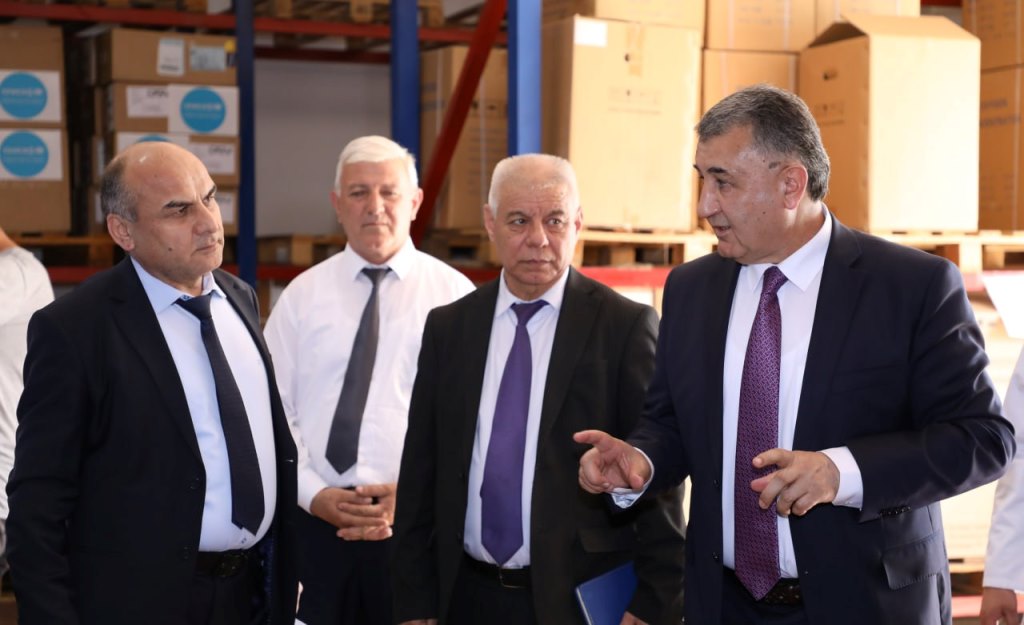
UNICEF Representative in Tajikistan, Ozonnia Ojielo, reaffirmed the organization’s commitment to supporting Tajikistan’s healthcare system, particularly in reducing child mortality and improving the quality of medical services.

In March 2024, the MoHSPP formed a working group focused on preventing maternal and infant mortality. The group, composed of specialists, was dispatched to medical institutions to train and consult staff in efforts to improve care and reduce mortality rates.

Minister of Health and Social Protection of the Population, Jamoliddin Abdullozoda, had previously stated that maternal and child healthcare remains a top priority for the government.

According to the MoHSPP, infant mortality in 2024 stood at 12.3 per 1,000 live births, down 0.2 points from the previous year.  However, maternal mortality increased by 3.7 points, reaching 24.4 per 100,000 live births.

Since 1993, UNICEF does whatever it takes in Tajikistan to help children survive, thrive and fulfill their potential, from early childhood through adolescence.

UNICEF works across sectors of child protection, health, social policy, early childhood development and education, WASH (water, sanitation, and hygiene), response in emergencies, climate change and disaster risk preparedness, children with disabilities and youth.

UNICEF's country program for 2023-2026 aims to accelerate progress towards the realization of the rights of all children, with special attention given to closing equity gaps through four components at different stages of their life cycle.

Join us on social media!

Article translations:

Related Article

Оби зулол
Оби зулол

Most Read

Recent Articles

The only GPW veteran in Dushanbe allocated more than 80,000 somoni

The mayor's office of Dushanbe allocated him 25,000 somoni.

GITEX AI Kazakhstan 2026: how Almaty became the main AI hub of Central Asia

More than 300 companies and startups, over 200 speakers and 100 investors from 50 countries — the region is entering the global stage.

A trade and economic park to be built at the border junction of Tajikistan, Kyrgyzstan, and Uzbekistan

President of the Kyrgyz Republic Sadyr Japarov familiarized himself with the project.

A project to protect soil from degradation to be developed in Central Asia

The initiative is of great significance for the mountainous countries of the region, including Tajikistan.

Mudslide, death, and destroyed homes: hundreds of families in Tajikistan left homeless

A correspondent from "Asia-Plus" visited Kulob and spoke with the families of those who died and were affected by the disaster.

Spring 2026 bright event: new issue of VIPzone now on sale

This issue is about people and ideas that change everything: from business and investments to fashion, food, and urban environment.

Godfrey Sullivan: “Tajikistan is a promising market for Visa to develop digital payments”

The Vice President of Visa explained why Tajikistan is becoming a promising market for digital payments and how artificial intelligence is influencing the future of finance.

Seven students in Dushanbe were threatened with expulsion for arriving at universities in personal cars

The materials for each case have been sent to the Ministry of Education and Science for appropriate actions.

India’s blockchain push and lessons for the global south

The Indian Government has started pushing aggressively its agenda...

India’s blockchain push and lessons for the global south

The Indian Government has started pushing aggressively its agenda...