The world generated an estimated 400 million tons of plastic waste last year, the United Nations Environment Programme (UNEP) says, noting that this torrent of water and shampoo bottles, dispensing containers, polyester shirts, PVC piping and other plastic products is part and parcel of a plastic pollution crisis that experts say is ravaging ecosystems, exposing people to potentially harmful pollutants and stoking climate change.
“Plastic pollution is one of the gravest environmental threats facing the Earth but it’s a problem we can solve,” said Elisa Tonda, Chief of the UNEP Resources and Markets Branch. “Doing so could not only improve the well-being of people and planet but also unlock a host of economic opportunities.”
Countries worldwide are now negotiating an international legally binding agreement to end plastic pollution.
Against that backdrop, this year’s World Environment Day will focus on ways to prevent plastic waste from escaping into the environment, such as curbing pollution from single-use plastic products and redesigning plastic products so they last longer.
UNEP notes that since the 1950s, humanity has produced 9.2 billion tons of material, some 7 billion tons of which have become waste.
A major source of plastic pollution are single-use plastic products, which are not circulated in the economy, overwhelming waste systems and entering the environment.
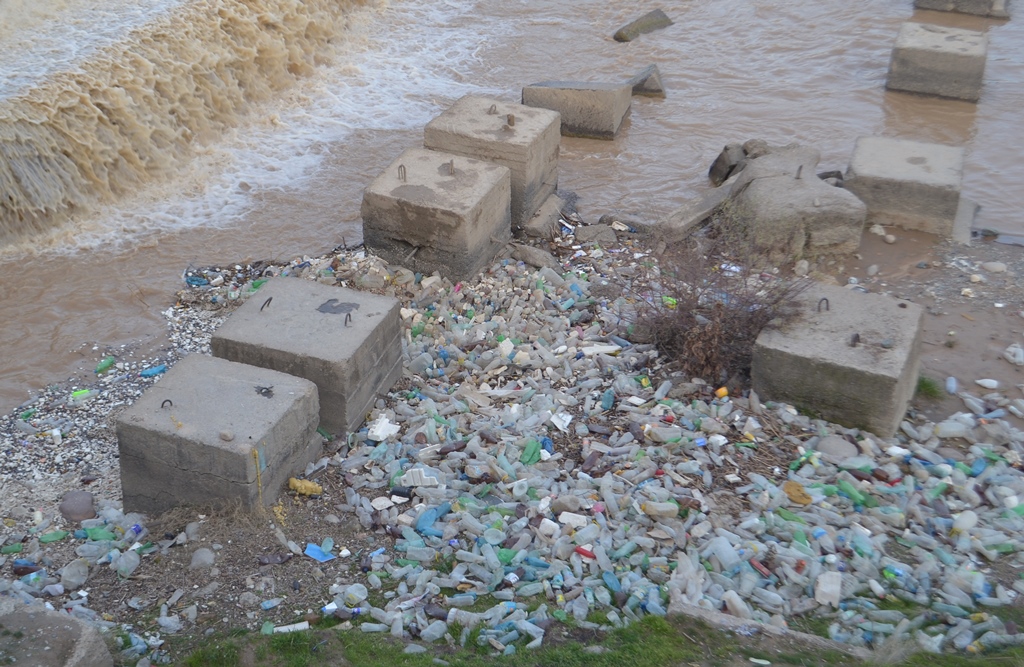
The report notes that plastic pollution can be found nearly everywhere. It’s in lakes, rivers and the ocean. It dots city streets and farmers’ fields. It’s bursting from dumpsites. It’s piling up in deserts and worming its way into sea ice. Researchers have even found plastic debris on Mount Everest and in the Mariana Trench, the deepest point on Earth.
There are reportedly three big reasons why plastic pollution is such a problem: 1) plastic pollution can wreak havoc on ecosystems; 2) plastic often breaks down into tiny fragments – known as microplastics and nanoplastics – which can build up in the human body; and 3) plastic throughout its life cycle also contributes to climate change (plastic production – an energy-hungry process – was responsible for more than 3 percent of planet-warming greenhouse gas emissions in 2020).
According to a study from the Organization for Economic Cooperation and Development. only about 9 percent of plastics are actually recycled,. There are several reasons for that. Many plastic products are not designed to be reused and recycled. Some are too flimsy to be recycled, while others can only be recycled once or twice. Many countries lack the infrastructure to collect and recycle plastic waste. But perhaps the biggest problem: recycling systems cannot keep up with the explosion of plastic waste. Global plastic production doubled between 2000 and 2019.