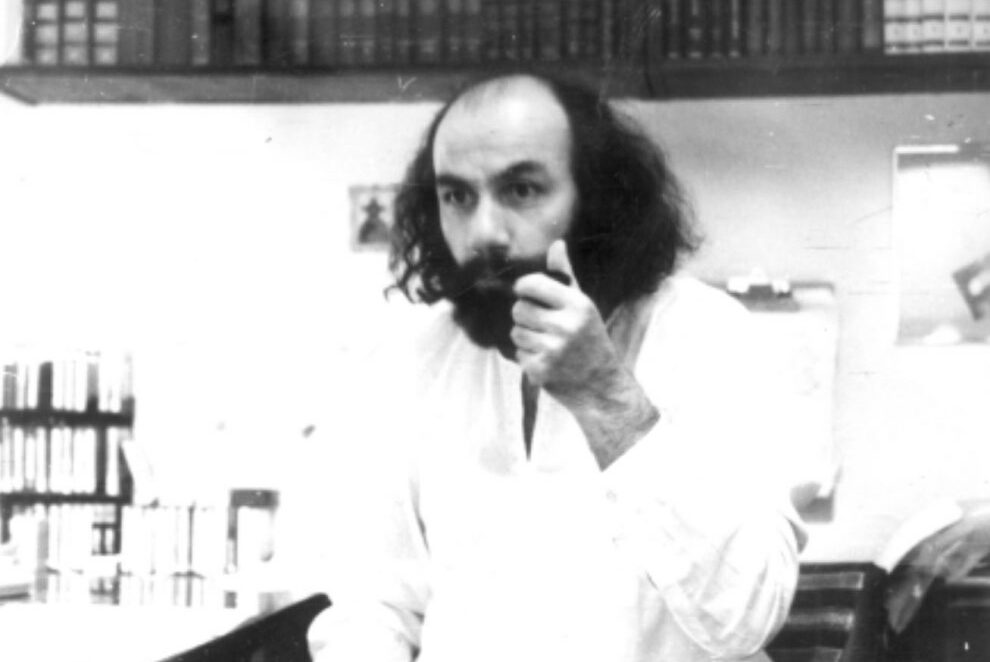
Today marks 25 years since the assassination of Saif Rahimzoda Afardi, a renowned Tajik writer, filmmaker, and former head of the Committee for TV and Radio-broadcasting. He was shot on May 20, 2000, at the entrance to his apartment building in Dushanbe.
Although a suspect was convicted in 2003, the motive and possible mastermind behind the killing have never been officially established.
Rahimzoda, who was returning home from work that night, was shot three times and died later in hospital. The murder sent shockwaves through Tajik society, as Rahimzoda was a respected cultural figure and senior state official. At the time, authorities stated that the investigation was under the direct supervision of the president.
In 2003, Dushanbe City Court found 28-year-old Rahim Qalandarov guilty of the killing and sentenced him to death. However, Qalandarov denied the charges during the trial, insisting on his innocence in front of journalists.
Adding to the mystery, the only eyewitness — Rahimzoda’s driver — who had reportedly identified the suspect, died under suspicious circumstances after allegedly falling from the fourth floor of the Interior Ministry building.
Tajik authorities have never revealed who might have ordered the killing. In 2010, Radio Liberty’s Tajik Service, known locally as Radio Ozodi, reported, citing unnamed sources, that the case was considered closed.
Investigative journalist Orzu Isoyev, who looked into the case, said no new facts beyond the official version could be uncovered. “The circumstances remain murky,” he said. “No one knows who ordered the killing or why.”
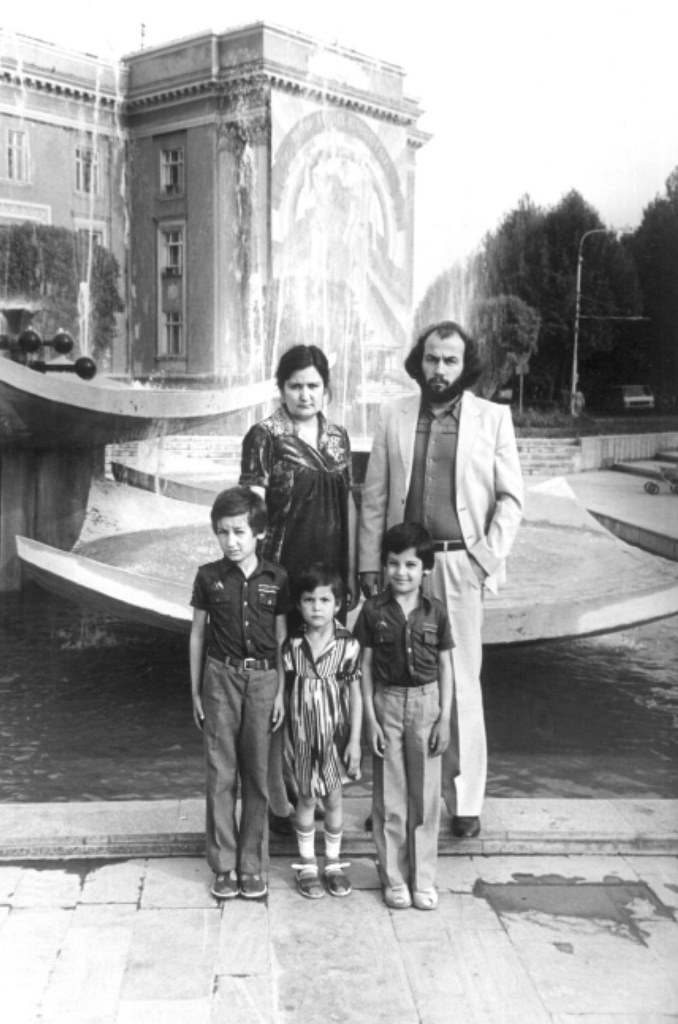
Rahimzoda’s family also said they received no additional information from officials. His wife, Zebo Afardi, and son, Qudrat Afardi, told Radio Ozodi they still hope “God will punish the killer.”
The case remains one of many unresolved killings of public figures in Tajikistan during and after the civil war, including those of journalist Muhiddin Olimpour and doctors Yusuf Ishoqi and Minkhodj Ghulomov.
Cultural legacy
Though he held a government post from 1997 to 2000, colleagues say Rahimzoda stayed out of politics. “He focused on his professional duties,” said Rahmon Miralizoda, a former colleague.
Before entering public service, Rahimzoda was widely known for his literary and cinematic work. His short stories — including Stars over the Tandoor (Stars above the clay oven) and From the Memories, From the Memories — earned him critical acclaim. Literary scholars describe his style as unique, blending elements of modernism, realism, and symbolism.
He also directed several films, including an adaptation of Stars over the Tandoor, which remains popular to this day.
Born in 1953 in Baljuvon district of Kulob region, Rahimzoda studied at Tajik State University and worked in journalism, translation, and filmmaking. He was awarded the Sadriddin Aini Literary Prize in 1995.