The property tax systems in Central Asia's capitals differ significantly, making direct comparisons challenging. However, a general overview of the tax burden on residential real estate in the region’s largest cities can be drawn.
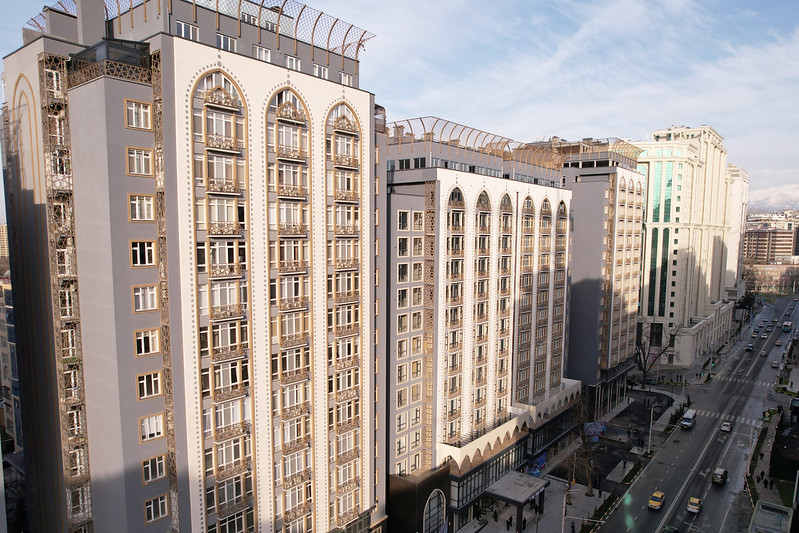
Dushanbe (Tajikistan)
In Tajikistan, property tax on residential premises is calculated based on the area (in square meters) as a percentage of a calculation indicator, adjusted by regional coefficients for each city and district.
According to the current Tax Code, tax rates for housing are:
- Up to 90 sq. m: 3% of PDR per sq. m;
- 90 to 200 sq. m: 4%;
- Over 200 sq. m: 6%.
The calculation indicator for 2025 is set at 75.00 somonis. The regional coefficient for Dushanbe is 1. This results in the following tax per square meter:
- Up to 90 sq. m — 2.25 somonis;
- 90 to 200 sq. m — 3 somonis;
- Over 200 sq. m — 4.5 somonis.
Example: For a 100 sq. m apartment in Dushanbe, the tax equals: 100 × 3 somonis × 1 = 300 somoni (~US$29).
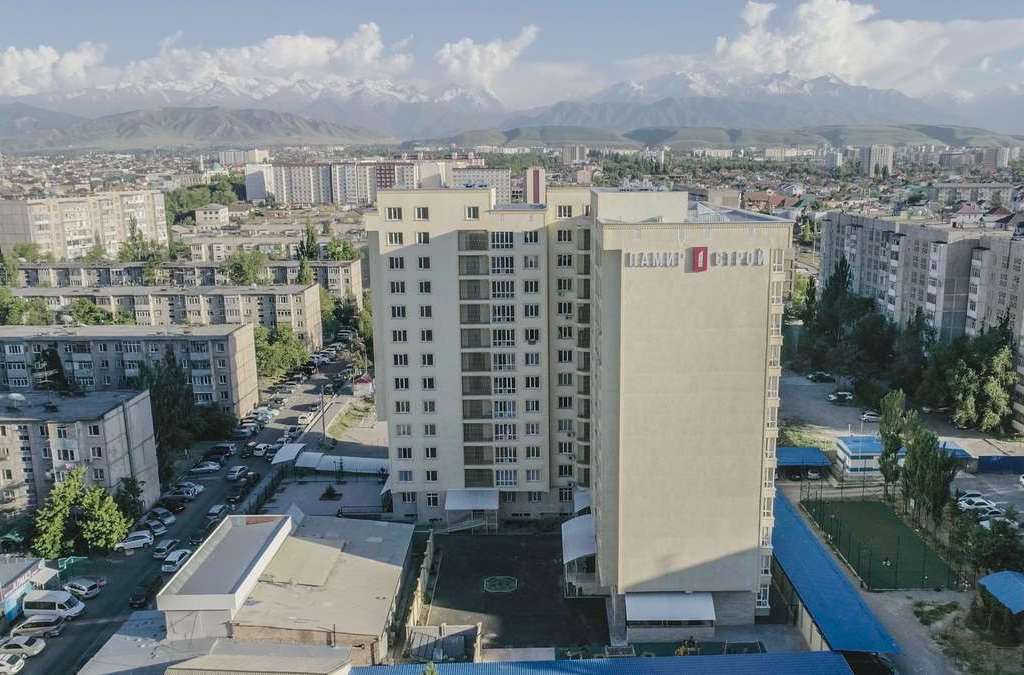
Bishkek (Kyrgyzstan)
Since early 2025, Kyrgyzstan uses a new formula: tax equals taxable area multiplied by a fixed rate (somoni per sq. m). The tax rates are set by local councils every three years, with a maximum rate capped at 100 somoni per sq. m.
Tax exemptions apply to:
- Apartments up to 80 sq. m;
- Private houses up to 150 sq. m.
Example: For a 100 sq. m apartment with a rate of 75 soms, taxable area is 20 sq. m (100 – 80 exempted): Tax = 20 × 75 = 1,500 soms (~US$17.2).
Tax is paid annually by September 1.
Tashkent (Uzbekistan)
Uzbekistan calculates property tax based on cadastral value, which reflects location, construction quality, and other factors, reassessed every few years.
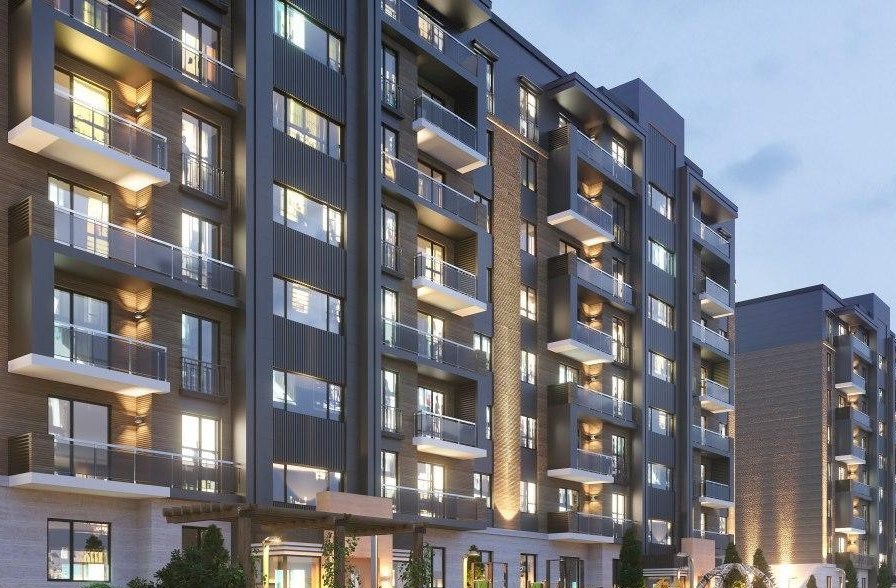
2025 tax rates:
- Up to 200 sq. m — 0.34% of cadastral value;
- 200 to 500 sq. m — 0.45%;
- Over 500 sq. m — 0.6%.
Minimum cadastral value per sq. m in Tashkent is 3.3 million soums.
Example: For a 100 sq. m apartment: Cadastral value = 100 × 3.3 million = 330 million soums;
Tax = 330 million × 0.34% = 1.12 million soums (~$87.4).
Taxpayers can check cadastral values online via the tax portal.
Almaty and Astana (Kazakhstan)
Kazakhstan also bases property tax on cadastral value, which is calculated considering a base price per sq. m and several coefficients such as physical wear, zoning, and regulatory changes.
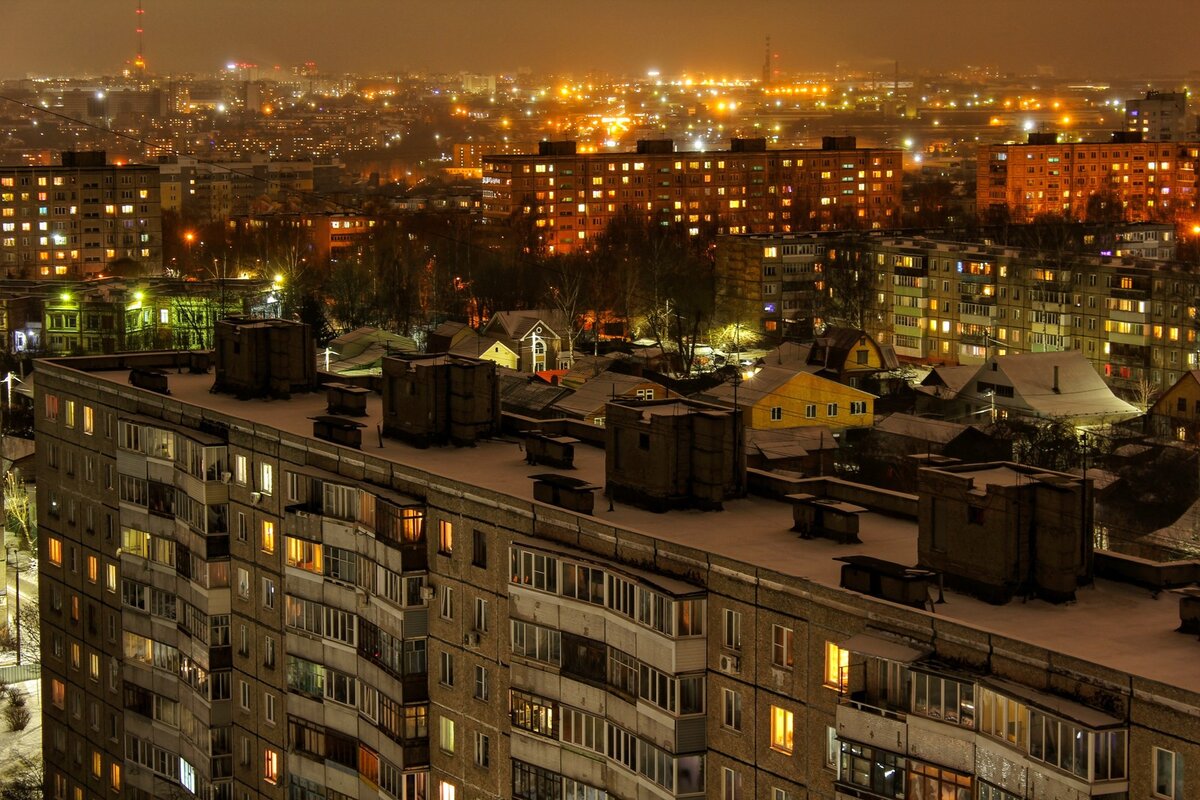
In 2025 base price per sq. m is 60,000 tenge.
Adjustments include:
- Physical depreciation (~20%);
- Zoning coefficient (Almaty 1.46, Astana 1.30);
- Regulatory coefficient 1.06.
Tax rates for individuals:
- Up to 2 million tenge — 0.05%;
- 2 to 5 million tenge — 0.1%;
- Over 5 million tenge — 0.15%.
Example: For a 100 sq. m apartment approximate cadastral cost is 7.4 million tenge for Astanan and 6.6 million tenge for Almaty.
Annual tax at 0.15% rate is 11,123 tenge for Almaty (US$21.8) and 9,936 tenge (US$19.4) for Astana.
Summary
Property tax systems in Central Asia vary greatly in methodology and rates. The highest tax burden is in Tashkent – US$87 per 100 sq. m, driven by high cadastral values and tax rates. Bishkek has the lowest tax burden – US$17 per 100 sq. m, benefiting from exemptions and fixed rates. Dushanbe’s tax rate is moderate and based on a fixed reference value and area. Kazakhstan’s capitals have relative low tax rate (US$20 per 100 sq. m) with detailed cadastral valuation mechanisms.
Official data on property taxes in Turkmenistan is not publicly available.