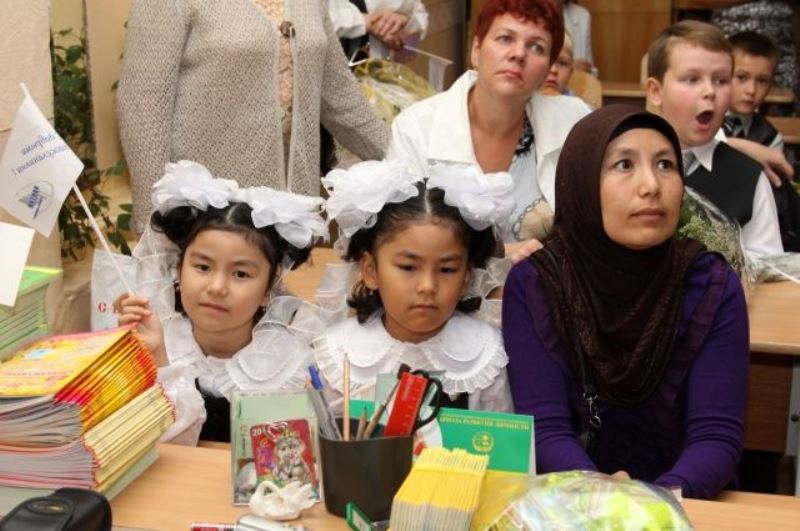
More than 638,000 children from migrant families are currently living in Russia, according to Russia’s Deputy Interior Minister Igor Zubov. Speaking at a parliamentary session in the State Duma (Tajikistan’s lower chamber of parliament), Zubov noted that while the overall number of migrant children is gradually decreasing, many are still not enrolled in school.
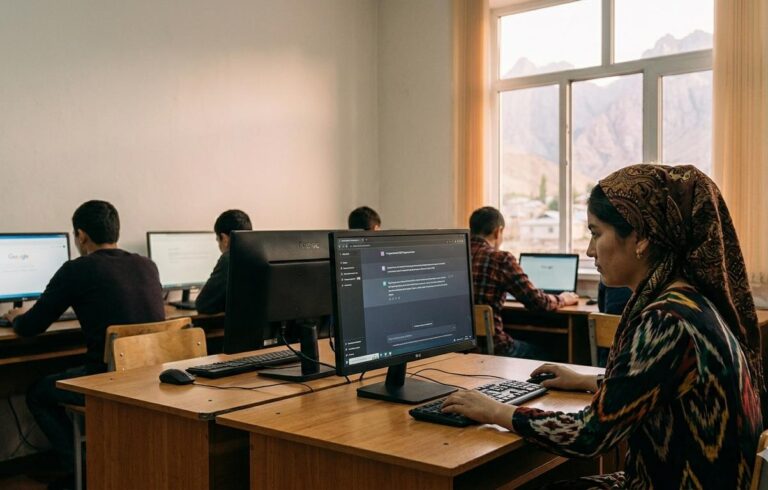
“There are 638,174 underage children from migrant families in Russia. Their number is declining. Claims that most of them don’t attend school are probably exaggerated, but it’s likely that around half are not engaged in any formal education for various reasons,” Zubov said, as reported by TASS.
He added that in Moscow alone, 80,282 foreign minors currently reside, but only about 25,000 of them are officially enrolled in educational institutions.
The discussion comes amid growing concern over the integration of migrant children into Russian society. In May, State Duma Speaker Vyacheslav Volodin revealed that only 335 out of 1,762 migrant children who applied were allowed to take the Russian language proficiency test — and only 27 passed.
On June 10, the State Duma passed a draft law in its first reading that would require educational institutions to share data on migrant children with the Interior Ministry. The new legislation mandates that regional and municipal education departments provide personal information about migrant children and their parents to federal authorities.
“This will facilitate prompt information-sharing regarding the legal status of children and their families in Russia, which will, in turn, inform future decisions. Identifying children who are not enrolled in school will help prevent their involvement in unlawful activities and protect them from making rash decisions,” said Volodin.
The proposed law and recent statistics reflect the growing focus of Russian authorities on monitoring and managing the integration of migrants, especially minors, amid broader discussions on migration policy and social cohesion.