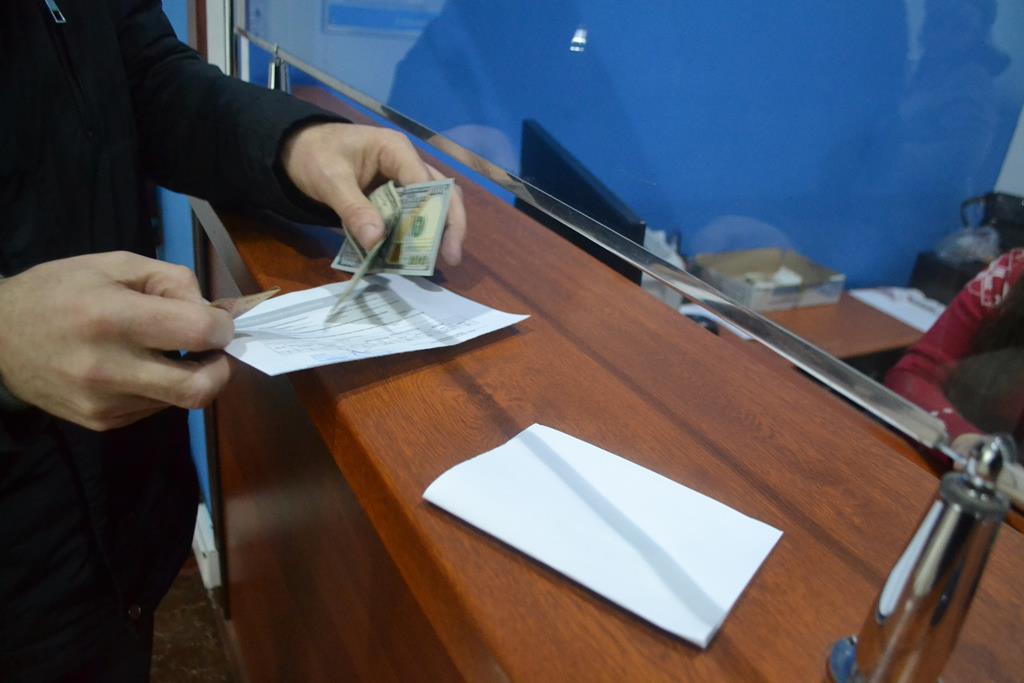
After nearly two months of steady decline, the U.S. dollar (USD) has begun to rise again against the Tajik national currency, the somoni (TJS).
According to the National Bank of Tajikistan (NBT), on Monday, June 17, the official exchange rate for US$100 is slightly over 1,012 somonis in commercial banks. Just two weeks ago, on June 4, the same amount was exchanged for 989 somonis.
From decline to recovery
The fall of the dollar began in mid-April and continued until June 9. Since June 10, however, the dollar has been gaining ground. For example:
- On June 9, US$100 was worth 988 somonis
- On June 10, it rose to 990 somonis
- On June 11, it climbed to 993 somonis
- On June 17, the rate reached 1,012.35 somonis
- On June 18 it climbed to 1,086.4 somonis
The previous depreciation of the dollar was largely attributed to its weakening against the Russian ruble. Tajikistan’s financial regulator had earlier cited a “combination of external and internal factors” as causes, including fluctuations in the ruble-dollar exchange rate, global energy price changes — especially for oil and gas — and volatility in regional and international financial markets.
No official explanation yet
So far, the central bank has not issued an official statement regarding the recent uptick in the exchange rate. The causes behind the reversal remain unclear.
Impact on prices and public sentiment
Traditionally, Tajik traders link price increases for goods with the rising dollar. However, in practice, prices for many consumer products remain high even after the dollar weakens — a persistent trend that frustrates local shoppers and burdens household budgets.
This renewed rise in the dollar may further strain consumers already grappling with inflation and economic uncertainty.