Wheat prices rise in Kazakhstan: What does this mean for Tajikistan?

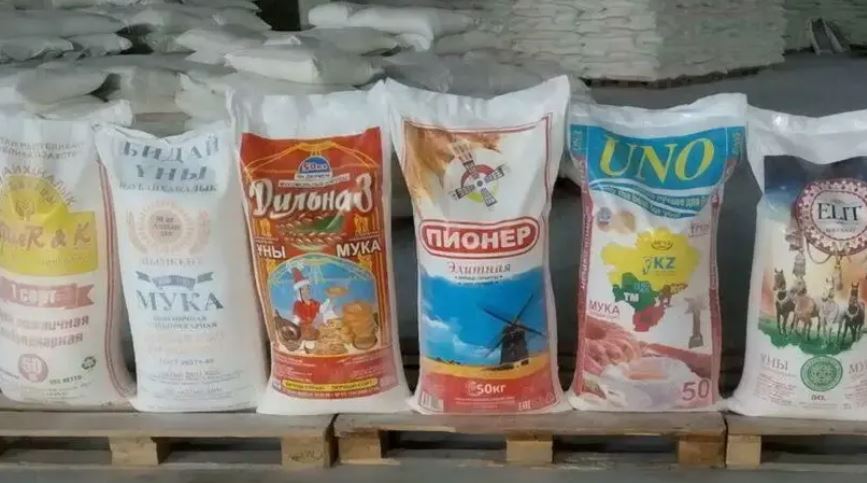
Wheat prices in Kazakhstan have once again surged, raising concerns for Tajikistan, which imports over 90% of its wheat from Kazakhstan. Last week, the price of third-grade wheat with 27% gluten reached 112,000-115,000 tenge (approximately US$216-US$222) per ton, and farmers in southern Kazakhstan are already offering new harvest wheat at 125,000-130,000 tenge/ton without VAT (approximately […]

Asia-Plus

Wheat prices in Kazakhstan have once again surged, raising concerns for Tajikistan, which imports over 90% of its wheat from Kazakhstan.

Last week, the price of third-grade wheat with 27% gluten reached 112,000-115,000 tenge (approximately US$216-US$222) per ton, and farmers in southern Kazakhstan are already offering new harvest wheat at 125,000-130,000 tenge/ton without VAT (approximately US$241-US$251).

According to Yevgeny Karabanov, head of the analytical department of the Grain Union of Kazakhstan, the price increase is due to several factors, including the weakening of the tenge against the US dollar (by 10 tenge in one week), high demand from exporters and processors, decreased wheat stocks, and others.


How will this affect Tajikistan?

Tajikistan imports over 90% of its wheat from Kazakhstan.  In 2024, the import volume was about 1 million tons, and in 2025, according to the Customs Service, imports are continuing to rise, with around 349,000 tons valued at more than US$100.4 million.

The price of one ton of wheat for Tajikistan amounted to US$288.3.

According to the Grain Union of Kazakhstan's Analytical Committee, from June 16 to June 22, the export prices for wheat, including 12% VAT, were as follows: third-grade wheat was offered at US$210-US$285 per ton, Hi-Pro wheat (with high gluten content) was priced between US$305 and US$310, and fourth-grade wheat ranged from US$203 to US$208 per ton.

Representatives of companies importing wheat into Tajikistan believe the rise in prices in Kazakhstan will inevitably affect the market in Tajikistan. This impact will not only be on wheat itself but also on derivative products such as flour, bread, pasta, and confectionery.


Will prices rise in Tajikistan?

From July 1, flour prices in Kazakhstan will also rise (up to 139.81 tenge per kg, or US$270, +45%).  These changes may soon reflect in export prices and, consequently, in the cost of goods in Tajikistan.

Importers may face increased logistics costs as Kazakhstan has raised railway tariffs.

However, thanks to domestic flour and bread production, as well as existing reserves, the situation in Tajikistan may remain stable, at least in the short term.

According to the Ministry of Economic Development and Trade’s forecast, Tajikistan’s own wheat production is expected to reach 956,000 tons in 2025.  In the previous year, Tajikistan harvested 881,000 tons of wheat.
Join us on social media!

Article translations:

Related Article

Оби зулол
Оби зулол

Most Read

Recent Articles

The only GPW veteran in Dushanbe allocated more than 80,000 somoni

The mayor's office of Dushanbe allocated him 25,000 somoni.

GITEX AI Kazakhstan 2026: how Almaty became the main AI hub of Central Asia

More than 300 companies and startups, over 200 speakers and 100 investors from 50 countries — the region is entering the global stage.

A trade and economic park to be built at the border junction of Tajikistan, Kyrgyzstan, and Uzbekistan

President of the Kyrgyz Republic Sadyr Japarov familiarized himself with the project.

A project to protect soil from degradation to be developed in Central Asia

The initiative is of great significance for the mountainous countries of the region, including Tajikistan.

Mudslide, death, and destroyed homes: hundreds of families in Tajikistan left homeless

A correspondent from "Asia-Plus" visited Kulob and spoke with the families of those who died and were affected by the disaster.

Spring 2026 bright event: new issue of VIPzone now on sale

This issue is about people and ideas that change everything: from business and investments to fashion, food, and urban environment.

Godfrey Sullivan: “Tajikistan is a promising market for Visa to develop digital payments”

The Vice President of Visa explained why Tajikistan is becoming a promising market for digital payments and how artificial intelligence is influencing the future of finance.

Seven students in Dushanbe were threatened with expulsion for arriving at universities in personal cars

The materials for each case have been sent to the Ministry of Education and Science for appropriate actions.

India’s blockchain push and lessons for the global south

The Indian Government has started pushing aggressively its agenda...

India’s blockchain push and lessons for the global south

The Indian Government has started pushing aggressively its agenda...