While Tajikistan has made progress in reducing its external debt in recent years, the country remains at high risk of debt distress, according to a new UN Conference on Trade and Development (UNCTAD) report titled “A World of Debt.”
The report warns that global public debt has reached an unprecedented US$102 trillion, with US$31 trillion held by developing countries. In 2024 alone, these nations paid $921 billion in interest — exceeding their combined spending on healthcare and education.
“Debt can be a powerful tool, but when overloaded, it crushes the future,” UNCTAD experts cautioned.
Central Asia: Debt outpaces growth
In Europe and Central Asia, public debt has surged 2.5 times between 2010 and 2022, while GDP grew only 1.4 times — a gap indicating borrowing is outpacing economic growth. Tajikistan, though it began reducing its debt ratio from 50% of GDP in 2020, still remains among the most vulnerable countries in the region.
All Central Asian countries, except Kazakhstan, carry sub-investment-grade credit ratings, forcing them to borrow at higher interest rates. Tajikistan faces a critical debt challenge in 2027 when eurobond repayments come due. Without concessional financing, the risk of a debt crisis looms large.
Uzbekistan, meanwhile, has seen the fastest debt increase, although from a relatively low base. Much of its borrowing has gone toward economic modernization, creating potential fiscal risks in the long term.
UNCTAD has called for global reforms to the public finance system, including debt relief for at-risk countries, easier access to low-interest loans, a fair debt restructuring mechanism, and increased transparency around sovereign debt.
Tajikistan’s external debt falls slightly
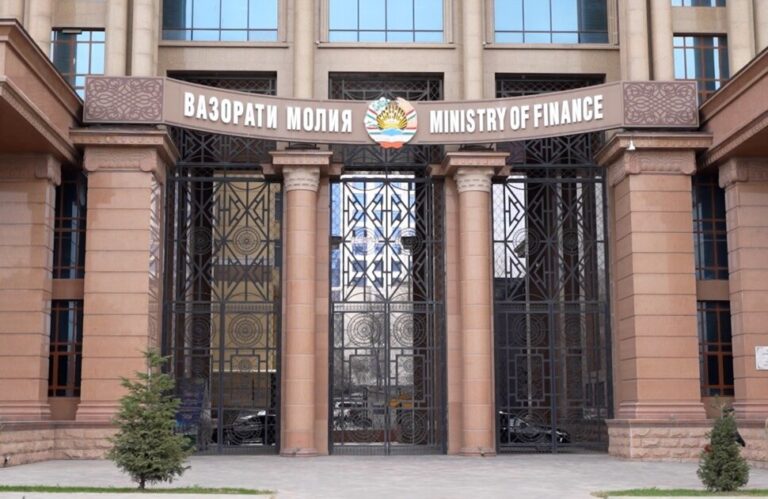
As of April 1, 2025, Tajikistan’s external debt stood at US$3.1 billion — down $87 million (2.7%) since the beginning of the year, according to the Ministry of Finance. Government obligations account for 95.6% of that total.
China remains the country’s largest creditor with around US$1 billion in loans. Tajikistan also owes significant amounts to the World Bank, Asian Development Bank, Islamic Development Bank, and the EBRD.
The government has allocated US$385 million for external debt servicing this year, including US$135 million in payments on state-owned enterprises' obligations. However, total debt may rise again due to new loan agreements — including those linked to the completion of the Roghun hydropower plant.